
Lieferung heute & morgen

Qualitätsgarantie

Willkommens-Angebote freischalten: KOSTENLOSE Lieferung | Bis zu 80 % RABATT | Kostenlose 30-Tage-JoyPlus-Testphase
App herunterladen
If you want to buy tea online, you’ll quickly find a huge selection of black tea, fruit tea, herbal tea and iced tea. This variety makes shopping easier, but it doesn’t automatically make comparing products simpler. Packaging design, flavour promises and apparent price advantages can often hide important product details.
This buying guide shows you what households, offices, catering businesses and tea lovers should look out for. The focus is on clear, verifiable information such as ingredients, caffeine content, bag format, weight, brewing time and storage.
A large pack often looks cheaper at first glance. What really matters, however, is the price per 100 grams, per tea bag or per litre. A bulk tea pack can make sense for offices and catering businesses, while smaller packs take up less storage space for occasional buyers.
With iced tea, you should also look at the price per litre. A carton containing six 2-litre packs, for example, holds 12 litres of drink. That’s a different unit of measurement from a pack of 20 tea bags.
‘Peach’, ‘mango’ or ‘lemon’ in the product name doesn’t necessarily mean large amounts of that fruit are included. In flavoured fruit tea, the taste and aroma often come from flavourings. If you’re specifically looking for fruit pieces, check the ingredients list and the quantitative ingredient declaration.
Black tea, Darjeeling organic tea, Earl Grey organic tea and East Frisian tea typically contain natural caffeine. Herbal and fruit teas, on the other hand, usually contain no caffeine from tea leaves. The exact recipe is what ultimately matters.
Brewing time also affects the result. If a tea bag is steeped for too short a time or with water that isn’t hot enough, the flavour can be weaker. Instructions on the pack should therefore take priority over general brewing rules.
Tea in bags makes portioning easy and is ideal for the workplace, hotel, home and catering. Individually wrapped bags can help protect the flavour during storage, but they create more packaging waste.
Loose leaf tea allows you to adjust the dosage flexibly. This is interesting for strong Assam blends and traditional East Frisian teas. You will need a tea strainer, filter or pot, however. For consistent serving in offices or hospitality, larger quantities of bags are often simpler.
An organic label should refer to a verifiable certification. With Fair Trade or Rainforest Alliance claims, check whether the entire blend or only a certain proportion of the ingredients is certified. According to the product information, Meßmer Kräuter Pur contains 81% Fair Trade-certified herbs and spices; the rooibos is Rainforest Alliance-certified. For Teekanne Italienische Zitrone, 30% of the ingredients are stated as coming from Rainforest Alliance-certified farms.
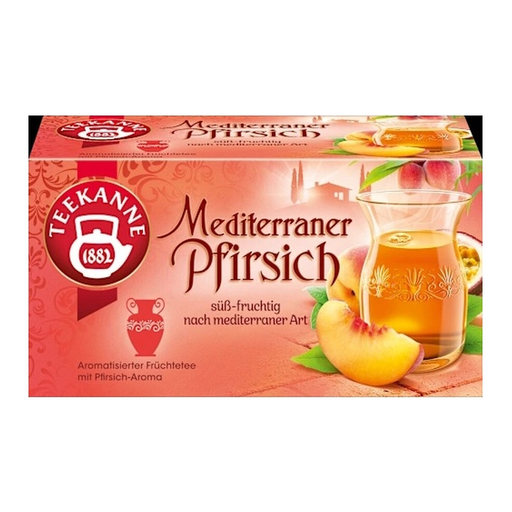
Why this product fits the profile: The pack contains 20 portioned bags and offers a straightforward introduction to flavoured fruit tea. According to the product information, one bag is used per cup.
The ingredients and quantity declarations make it clear that the peach flavour comes from flavouring and juice granules. This allows you to assess the product description more realistically.
20 bags, each 2.5 g; prepare with boiling water and steep for 5 to 8 minutes.
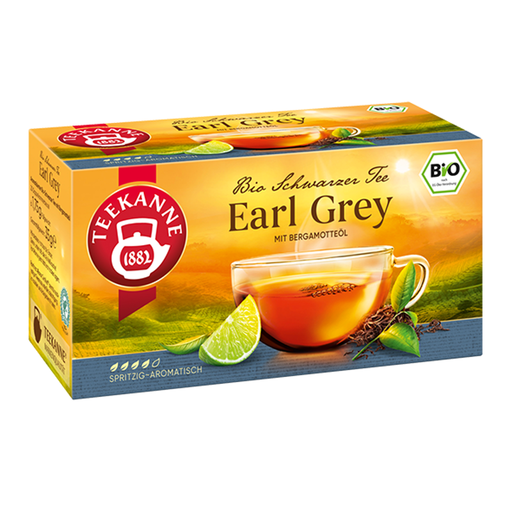
Why this product fits the profile: According to the ingredients list, the blend consists of 95% organic black tea and contains bergamot oil. Individually wrapped double-chamber bags make for easy, clean preparation.
Organic quality and composition can be checked directly via the product information, rather than relying on general terms about origin or quality.
20 individually wrapped bags; organic black tea blend with bergamot oil.
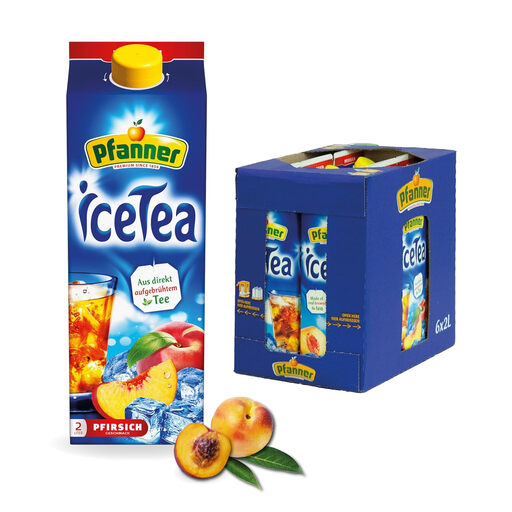
Why this product fits the profile: The carton contains six 2-litre packs and is ideal for families, offices or events with a regular need for ready-to-drink iced tea.
The pack size and nutritional information per 100 ml are clearly stated. Once opened, the drink should be kept refrigerated and consumed within three days.
12 litres total volume; according to the product information, vegan, alcohol-free and preservative-free; natural caffeine content of 40 to 60 mg/l.
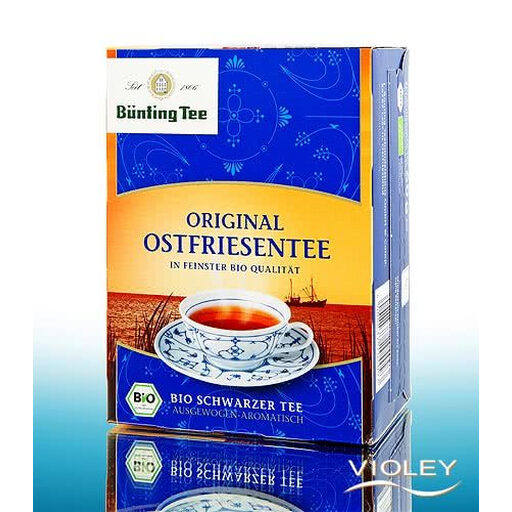
Why this product fits the profile: The portioned bags combine a traditional black tea blend with everyday convenience. The pack contains 40 bags, each weighing 1.5 g.
The ingredients list shows black tea as the base; the natural caffeine content is explicitly stated. This allows you to choose a variety that suits your own tolerance.
Organic black tea in bag form; suitable for brewing with boiling water and the classic combination with Kluntje and cream.
We’ve put together a complete, regularly updated list of products that fully meet these strict selection criteria and the safety regulations in force in the EU.
When looking for an affordable tea, don’t let the final price be your only guide. Also check:
Fruit teas such as rosehip tea, Italian lemon or Spanish orange are often suitable for cold brewing too. In this case, the tea should first be brewed with hot water according to the pack instructions and then left to cool. With ready-to-drink iced tea, this preparation step isn’t needed.
For offices, tea bags with clear dosage and a short brewing time are practical. A mixed selection of black tea, fruit tea and herbal tea covers different preferences. For high consumption, packs of 50 or 100 bags can make reordering simpler.
Dry tea should be stored in a cool, dry place away from light and strong odours. The specific best-before date is on the packaging. After opening, an airtight container is recommended, especially for loose leaf tea. Ready-to-drink iced tea must be refrigerated after opening and consumed within the stated period.
That depends on the weight, quality, dosage and pack size. Loose leaf tea can work out cheaper per cup with regular consumption and bulk packs. Tea bags, on the other hand, reduce the effort involved in portioning and cleaning. For comparison, look at the price per 100 grams and the recommended amount per litre.