
Lieferung heute & morgen

Qualitätsgarantie

Willkommens-Angebote freischalten: KOSTENLOSE Lieferung | Bis zu 80 % RABATT | Kostenlose 30-Tage-JoyPlus-Testphase
App herunterladen
Anyone looking to buy tinned foods online will quickly find a wide selection, including tinned fruit, tinned vegetables, tinned fish, coconut milk in tins and international ingredients for the larder. However, a low price per item or eye-catching label says little about whether a product is right for your needs. The key factors are the ingredients, drained weight, allergens, condition of the packaging and intended use.
As a Joybuy Product Recommendation Officer, I assess the most important selection criteria objectively, so that marketing claims do not replace an informed purchasing decision.
A tin can have a high total weight even though part of it consists of water or syrup. With fruit in syrup, the drained weight is therefore particularly important. For tinned vegetables, it determines how much is actually available for a salad, side dish or stir-fry.
Where possible, compare like-for-like figures, such as the drained weight per 100 grams. This prevents a larger tin from automatically appearing to offer better value.
Tinned fruit such as pineapple, peaches, lychees or mango purée may contain sugar, glucose-fructose syrup or sweetened syrup. According to the product information, Küstengold Pineapple Pieces in Sugar Syrup 580 ml contains 60% pineapple, water, sugar and citric acid. The nutritional information lists 54 grams of sugar per 100 grams.
If you want to reduce your sugar intake, look for fruit in its own juice or unsweetened varieties. For desserts, fruit cocktails and toppings, syrup may instead be a deliberate part of the recipe.
Before opening, check tins for bulging, leaks, rust or severe dents. Damaged packaging should not be added to your basket. You should also check the best-before date. This indicates the guaranteed product quality up to the stated date when stored correctly, but does not mean the product has an unlimited shelf life.
After opening, leftovers should always be transferred to a suitable non-metallic container, refrigerated and consumed promptly. The specific recommendation on the label takes precedence.
Ingredients are listed in descending order by weight. For tinned fish, the species of fish should be clearly stated. According to the product information, Geisha Mackerel in Chilisauce 155 g contains fish and soya. The Geisha Mackerel in Tomatensauce 155 g variant lists fish as an allergen.
When buying coconut milk in a tin, it is worth checking the coconut content and additives. GreenLife Canned Coconut Milk with 5–7% contains, among other ingredients, coconut extract, stabilisers, an emulsifier and sodium metabisulphite. Sulphites must be declared as an allergen when present above the relevant threshold. Anyone with known intolerances should always check the current packaging information.
For a quick meal, energy, fat, sugar, protein and salt are useful figures for comparison. Tinned fish in sauce can differ considerably from tinned vegetables in terms of salt and fat content. With tinned fruit, the sugar content is usually more important, while fibre and protein provide useful guidance when choosing tinned pulses.
Depending on the product, the information may refer to 100 grams of the product or to the drained product. This difference should be taken into account when comparing products.
A 155-gram fish product is suitable for an individual meal or as an addition to rice, bread and salad. An 820- or 850-millilitre tin, on the other hand, is more suitable when several portions are planned. Once opened, the usable life is reduced regardless of how long the unopened tin can be stored.
Simple rules apply to storing long-life foods: keep them in a dry, cool place protected from direct sunlight. Only buy larger quantities if you can realistically estimate how quickly you will use them.
The following recommendations match specific products to typical usage profiles. The information is based on the respective product details and does not replace checking the current packaging.
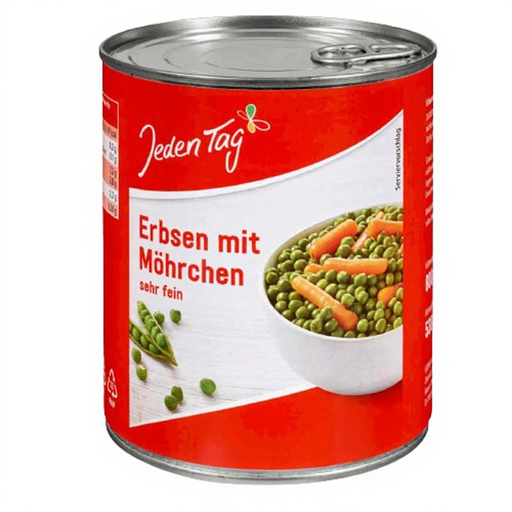
Why this product suits the profile: The combination of tender peas and carrots makes an easy side dish that can be served cold or heated after draining.
The ingredients list is straightforward: vegetables in varying proportions, water, sugar and salt. This makes it easy to plan the contents into a meal without complicated preparation.
400-g tin, vegetarian according to the product information, with 4.1 g of fibre per 100 g.
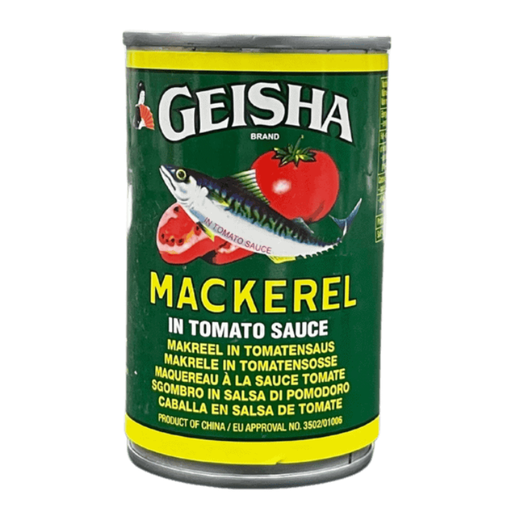
Why this product suits the profile: The small portion of fish in tomato sauce is ideal for sandwiches, rice dishes, wraps or a quick meal.
The product description states the species of fish, net quantity and allergen information. This allows you to make a more targeted choice than with an unclearly labelled fish mixture.
155 g net quantity, 15.32 g of protein per 100 g according to the product information, and versatile uses.
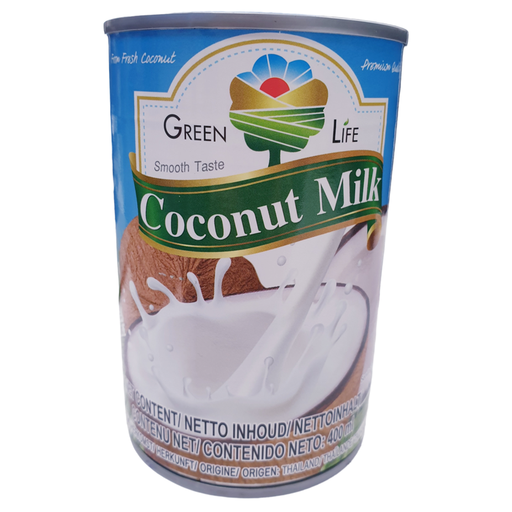
Why this product suits the profile: The 400-ml tin is suitable for curries, soups, desserts and drinks in Asian or international cooking.
The stated coconut content of 5–7% makes the composition easy to understand. Sulphites are also listed in the product information.
Versatile, with specific nutritional information and simple storage before opening.
We have put together a complete, regularly updated list of products that fully meet these strict selection criteria and the safety regulations applicable in the EU.
For quick meals, tinned vegetables can be combined with rice, pasta or potatoes. Tinned pulses are ideal for stews, salads and curries. Asian tinned foods such as bamboo shoots or water chestnuts add texture to stir-fries, soups and hot pots. Tinned fruit can be added to desserts, yoghurt, cakes or fruit salads.
When choosing ready meals in tins, also pay attention to the portion size, salt content and preparation instructions. ‘Ready to eat’ does not always mean the product needs to be served hot; the specific labelling is what matters.
Unopened tins often have a long shelf life when stored in a dry, cool place. However, the best-before date printed on the packaging, storage instructions and condition of the packaging are the decisive factors. Bulging, leaking or badly damaged tins should not be used.
Yes, leftovers should be transferred to a non-metallic, sealable container and stored in the fridge. Depending on the product, they should usually be consumed within two to five days. Always follow the information on the relevant label.
For a varied store cupboard, consider tinned vegetables, tinned pulses, tinned fish, coconut milk, tinned fruit and other long-life staple ingredients. Choose quantities and flavours according to your actual consumption, and check your stock regularly.