
Lieferung heute & morgen

Qualitätsgarantie

Willkommens-Angebote freischalten: KOSTENLOSE Lieferung | Bis zu 80 % RABATT | Kostenlose 30-Tage-JoyPlus-Testphase
App herunterladen
A toaster is a staple in almost every kitchen, but finding the right one can quickly become overwhelming. Many buyers are disappointed shortly after their purchase: the toast browns unevenly, the housing gets dangerously hot, or expensive extra features prove to be useless. Before you buy a new toaster, it's helpful to know the most common pitfalls to make an informed decision.
This guide serves as a foundation for your personal comparison, allowing you to evaluate models based on objective criteria rather than relying solely on marketing promises.
Manufacturers often advertise impressive features that offer little added value in practice. Pay attention to these three points to avoid a bad purchase:
When making your choice, focus on the following practical features. These determine whether a toaster will perform well in daily use.
Choosing the right size depends on your household and your eating habits.
The material affects not only the appearance but also the safety and durability.
Some extras are genuinely useful in everyday life and should be considered in your purchasing decision.
Based on the criteria mentioned, we have identified a few models suitable for different user profiles. Whether you're looking for a simple basic device, a model for the whole family, or a design statement for your kitchen – you'll find suitable recommendations here.
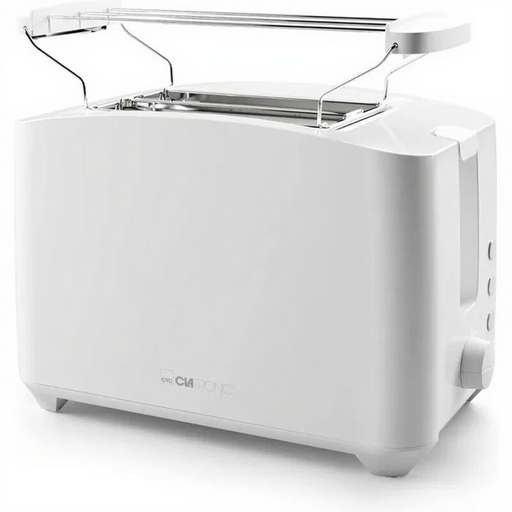
Why it's a good fit: Ideal for anyone looking for a reliable and straightforward appliance for daily use. It focuses on essential functions without inflating the price with unnecessary extras.
This model forgoes complex digital displays, focusing instead on practical features like an integrated warming rack and a variable browning control.
The cool-touch housing ensures safety, while the bread-centering guides support even toasting. The crumb tray simplifies cleaning.
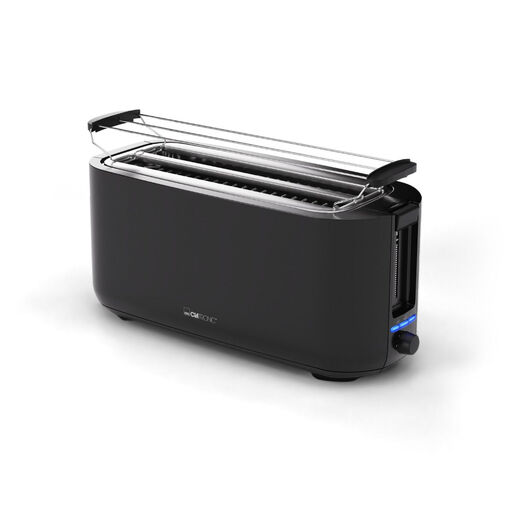
Why it's a good fit: With its long slots, this toaster offers maximum flexibility for daily family life. Whether it's four slices of toast at once or large slices of bread, this appliance adapts to your needs.
Instead of a rigid 4-slot construction, the long-slot design offers more versatile use, thus avoiding the limitation to standard toast formats.
The capacity for up to four slices and the removable warming rack make it an all-rounder for family breakfast. The cool-touch housing provides additional safety.
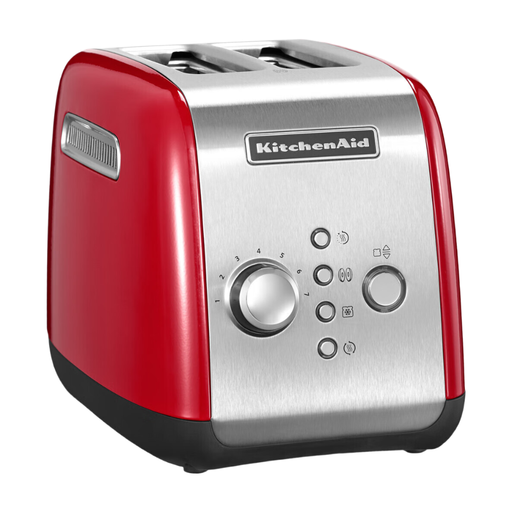
Why it's a good fit: For those who value outstanding design, high-quality materials, and durability. This toaster, which also has a **retro toaster** aesthetic, is a statement piece in any kitchen and impresses with its robust construction.
It avoids the trap of poor construction with a solid all-metal body. The automatic sensor function with a keep-warm feature is a thoughtful, useful addition, not a gimmick.
The durable metal construction and automatic lift function offer convenience and a premium feel. The extra-wide slots are also suitable for bagels or thicker slices of bread.
We have compiled a complete, up-to-date list of products that fully meet these strict selection criteria and safety regulations.
1. How do you clean a toaster correctly and safely? Always unplug the toaster from the power outlet and let it cool down completely before cleaning. Remove the crumb tray, empty it, and wipe it clean. Turn the toaster upside down and gently shake it over a sink or trash bag to remove any remaining crumbs. Wipe the housing with a slightly damp cloth. Never submerge the toaster in water.
2. What is the difference between a long-slot toaster and a regular 2-slice toaster? A regular 2-slice toaster has two short, separate slots designed for standard sliced bread. A long-slot toaster has one or two long slots. This gives you the flexibility to toast either several standard slices in a row or larger, irregularly shaped slices of bread (e.g., from an artisan loaf).
3. What is the average lifespan of a toaster? The lifespan of a toaster depends heavily on the build quality and frequency of use. Basic models often last three to five years. Higher-quality devices, especially those with a robust metal housing and solid mechanics, can remain functional for well over five years with proper care.