
Lieferung heute & morgen

Qualitätsgarantie

Willkommens-Angebote freischalten: KOSTENLOSE Lieferung | Bis zu 80 % RABATT | Kostenlose 30-Tage-JoyPlus-Testphase
App herunterladen
The "Toner Low" or "Replace Cartridge" message often appears at the worst possible moment. A quick search for a replacement then leads you into a maze of offers: original products, compatible alternatives, and remanufactured cartridges. The wrong choice can lead not only to poor print quality but also to unnecessary costs or even device problems.
As your Joybuy Product Recommendation Officer, I'm here to help you identify the common pitfalls and make an informed decision. Before you rush to buy toner, consider the following points to distinguish marketing hype from genuine performance features.
The 3 most common traps when buying printer supplies:
To avoid these mistakes, focus on three essential criteria. These will help you find the most suitable and cost-effective solution for your needs.
The choice of cartridge type is the most fundamental decision and depends directly on your budget and quality requirements.
Page yield indicates how many pages a toner cartridge or ink cartridge can print. However, this figure is only meaningful if it is based on a standardised methodology. The ISO/IEC standards (e.g., 19798 for colour laser printers) define a test page with 5% coverage for this purpose. This standardised specification allows for an objective comparison of the cost per page between different cartridges, similar to fuel consumption (L/100 km) in cars. Pay attention to this value to assess the true cost-effectiveness of a cartridge.
This is the most critical point to avoid a mistaken purchase. Every printer model requires a specific cartridge series.
Here are some product recommendations tailored to different user groups and their specific requirements.
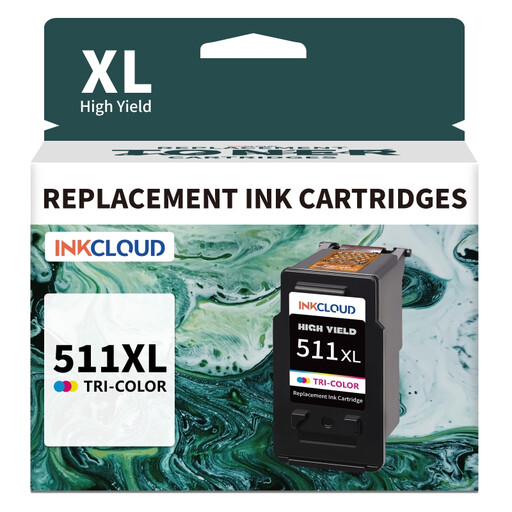
Why this product is a good fit: Ideal for students and families using a Canon Pixma printer for occasional print jobs like homework or documents. The clear focus here is on a low price without compromising on basic functionality.
As a remanufactured cartridge, it is based on an original casing, which ensures a proper fit. Compatibility with specific models like the MP495 or iP2700 is clearly stated, thus avoiding the incompatibility trap.
Significant cost savings compared to the original cartridge and a more eco-friendly choice due to the reuse of materials.
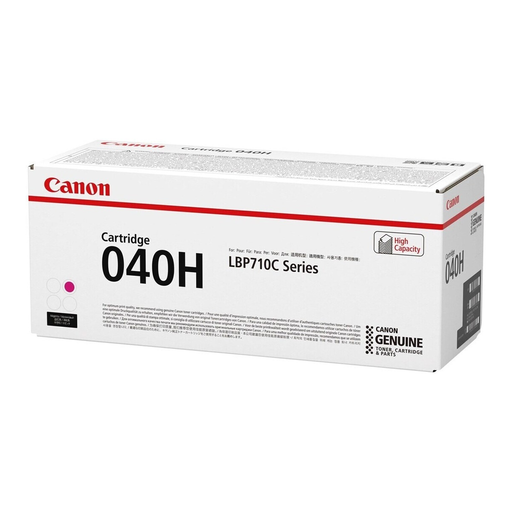
Why this product is a good fit: For small businesses or demanding home offices that use a Canon i-SENSYS or imageCLASS laser printer. The high yield of 10,000 pages lowers the cost per page and reduces the frequency of replacement.
As an original toner from Canon, compatibility and flawless communication with the printer are guaranteed. The 'H' designation stands for a high, clearly defined page yield and protects against misleading capacity claims.
High reliability and print quality directly from the manufacturer, combined with a high page yield for economical printing with regular use.
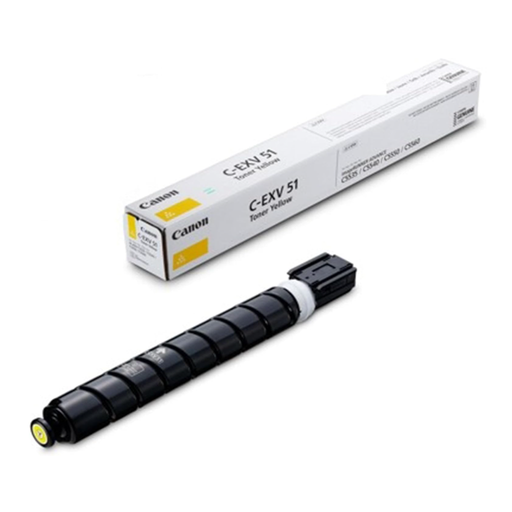
Why this product is a good fit: Designed for large-scale Canon imageRUNNER ADVANCE devices used in corporate environments with very high print volumes. Here, maximum reliability and predictable costs are crucial to minimise downtime.
This OEM product is precisely tailored to the imageRUNNER series, eliminating any risk of incompatibility. The enormous page yield of up to 60,000 pages, specified according to ISO standards, allows for precise budget planning for IT departments.
Maximum page yield and guaranteed system stability for mission-critical printing processes. Reduces maintenance effort to a minimum.
We have compiled a complete, up-to-date list of products that fully meet these strict selection criteria.
Original (OEM) cartridges come from the printer manufacturer and offer the highest reliability. Compatible cartridges are cheaper new-builds from third-party manufacturers. Remanufactured cartridges are recycled original casings that are refilled and often represent a good middle ground in terms of price and quality.
With products from reputable third-party manufacturers, the risk is low. However, extremely cheap, unbranded cartridges can lead to problems like ink leaks or error messages. Furthermore, using non-original cartridges may affect the printer manufacturer's warranty. It's a trade-off between cost and a potential residual risk.
The surest way involves three steps: