
Lieferung heute & morgen

Qualitätsgarantie

Willkommens-Angebote freischalten: KOSTENLOSE Lieferung | Bis zu 80 % RABATT | Kostenlose 30-Tage-JoyPlus-Testphase
App herunterladen
Toner pads combine facial toner, treatment essence and cotton pad in a single step. It’s convenient, especially when you want to keep your daily Korean skincare routine simple. However, facial care pads differ significantly in their carrier material, active ingredient profile, moisture content and intended use.
If you only focus on terms like “glow”, “detox” or “pore refining”, you risk overlooking important buying details. Three common pitfalls crop up particularly often:
First, you need to be clear about what job the product should do. Pre-soaked toner pads are already saturated with toner or essence and can be used straight after cleansing. Dry cosmetic pads, on the other hand, require a separate facial toner, cleanser or oil.
For make-up removal and light cleansing, soft, ideally lint-free cotton pads are a good choice. Descriptions such as “100% cotton”, “rayon and pulp” or “microfibre” tell you about the material, but on their own they don’t say anything about individual skin tolerance. Pad size also affects how much you use: larger pads often need more liquid, but they cover a larger area.
Reusable cotton pads can be interesting from a sustainability perspective. However, they must be thoroughly washed and completely dried after each use. With ready-made, pre-soaked toner pads, reuse is not normally intended.
For dry skin, hydrating toner pads with glycerin, panthenol, hyaluronic acid or similar humectants are a good option. If you feel tightness, the amount of essence in the container is also relevant.
Soothing toner pads contain, depending on the product, ingredients such as centella asiatica, allantoin or kelp extracts. Such claims describe the formulation, but do not represent a medical promise of efficacy. For sensitive skin, it’s advisable to check for fragrances, essential oils and the full ingredient list.
BHA toner pads are often aimed at people with oily or blemish-prone skin. BHA stands for beta-hydroxy acid; the specific concentration should be stated on the packaging. You should start with a low frequency of use. If irritation, redness or stinging occurs, stop using the product.
The number of pads alone doesn’t tell you how long a product will last. With daily use, a container of 60 pads corresponds to roughly 60 applications. If you use them as a short treatment mask, you may need two or more pads per application.
Pay attention to:
The lid should be closed tightly after each removal. Pre-soaked pads can dry out if the container is left open. For dry cotton pads, resealable packaging protects against dust and moisture.
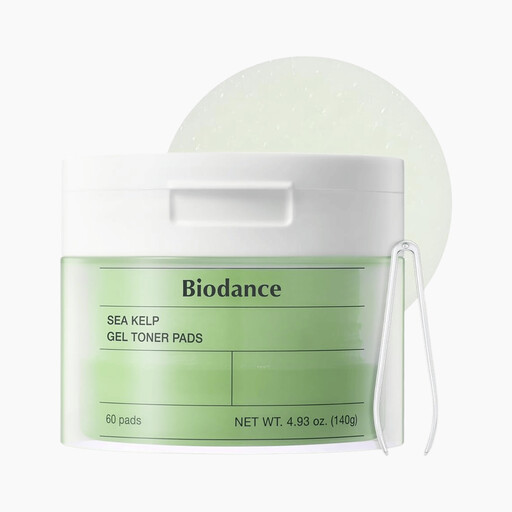
Why this product fits the profile: The pre-soaked gel pads are designed for a straightforward routine after facial cleansing. 60 pads offer a clearly identifiable number of applications.
The product description states the number of pads, net weight and usage. The essence with laminaria digitata water is listed on the stated ingredient list.
60 gel pads, 140 g net weight and an alternative use as a short treatment mask on selected areas of the face.
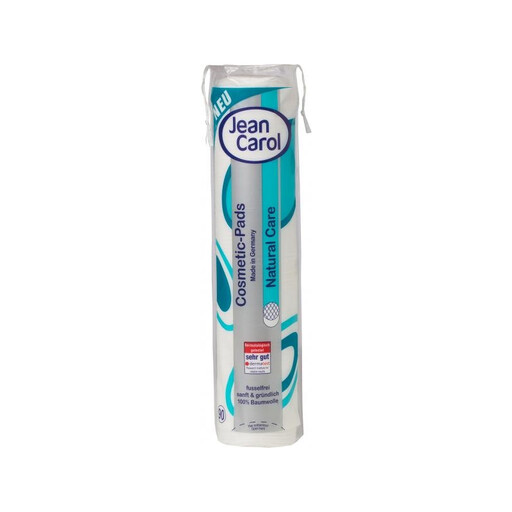
Why this product fits the profile: These dry cotton pads are suitable for applying toner, for light cleansing and for removing make-up.
The material specification of 100% cotton and the description as a lint-free pad make the selection criteria transparent. The pads are manufactured in Germany.
90 pieces per pack, 100% cotton and versatile use in daily facial care.
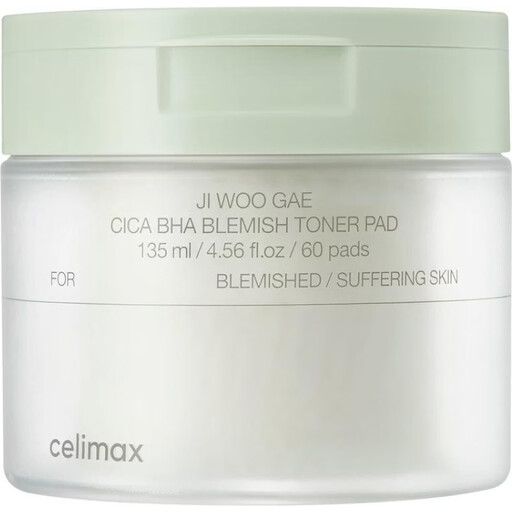
Why this product fits the profile: The product combines centella asiatica and BHA and, according to the product description, is intended for oily, combination and blemish-prone skin.
The ingredient list names capryloyl salicylic acid, centella asiatica and panthenol. This makes it easier to compare the formulation more precisely with your own routine.
60 pre-soaked pads, targeted application on individual areas of the face and a clearly stated BHA-containing care profile.
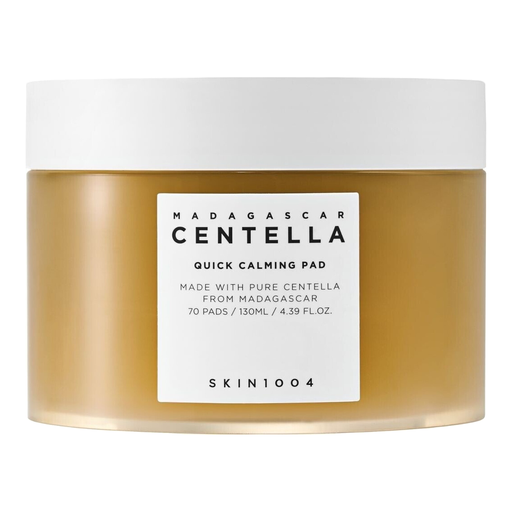
Why this product fits the profile: According to the product information, the pre-soaked pads contain centella extract, glycerin, sodium hyaluronate, panthenol and allantoin.
The material specification of rayon and pulp, along with the stated ingredient list, makes it easier to compare with other soothing toner pads.
70 pads, three-layer pad structure and a product description that provides for use after cleansing as well as a short treatment mask.
We have put together a complete, regularly updated list of products that fully meet these strict selection criteria and the safety regulations in force in the EU.
BHA toner pads and other exfoliating formulations should not automatically be combined with other acid products. For sensitive skin, a slower increase in frequency of use is advisable. Dry cleansing pads should be sufficiently saturated with cleanser to avoid unnecessary friction.
That depends on the formulation. According to product information, hydrating toner pads can often be used daily. With BHA toner pads or other exfoliating products, less frequent use is advisable to start with. The instructions on the packaging and your own skin’s reaction are what matter most.
The specific shelf life after opening is stated on the packaging. The container should be kept tightly closed, dry and protected from direct sunlight. If the smell, colour, texture or moisture content changes noticeably, the product should no longer be used.
There is no one-size-fits-all answer to this. Toner pads for sensitive skin should ideally have a simple ingredient list and a soft, low-lint material. Fragrances, essential oils and acids can be problematic for some individuals. The full INCI list and a careful patch test will help you choose.