
当日/次日达

品质保障

开启新人专享福利: 全场免邮 | 低至 2 折 | 免费试用 30 天 JoyPlus 会员
下载 Joybuy
As a Joybuy Product Recommendation Officer, I've watched tteokbokki, the popular Korean street food, gain an ever-growing following in Germany. However, this rising demand has led to a crowded market where finding high-quality products can be challenging. Many first-time buyers are left disappointed when the result doesn't live up to their expectations. This guide is designed to help you avoid the most common pitfalls and find the perfect Korean rice cakes to suit your taste.
The two most common problems when buying tteokbokki are:
To avoid a bad purchase, you should check three key aspects before buying. These criteria will help you objectively evaluate the quality of a tteokbokki product.
The rice cake is the heart of the dish. Its quality determines the entire eating experience. Pay attention to the following points:
The choice of format depends on your available time and culinary ambitions.
The sauce defines the character of your tteokbokki dish. The most common varieties are:
Here are some product recommendations tailored to different needs and preferences.
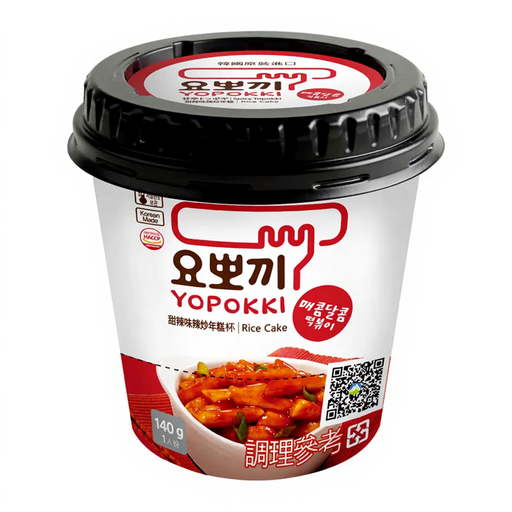
Why This Fits Their Persona: Perfect for anyone trying tteokbokki for the first time. The preparation is incredibly simple, and the "Sweet & Spicy" flavour offers a mild heat that isn't overwhelming. Ideal for a quick, single serving.
The clearly defined "sweet & spicy" flavour profile prevents any unpleasant surprises from excessive heat. The instant preparation bypasses the hurdle of having to cook a complete dish from scratch.
Very quick preparation; balanced, approachable flavour; the Yopokki brand is known for its variety.
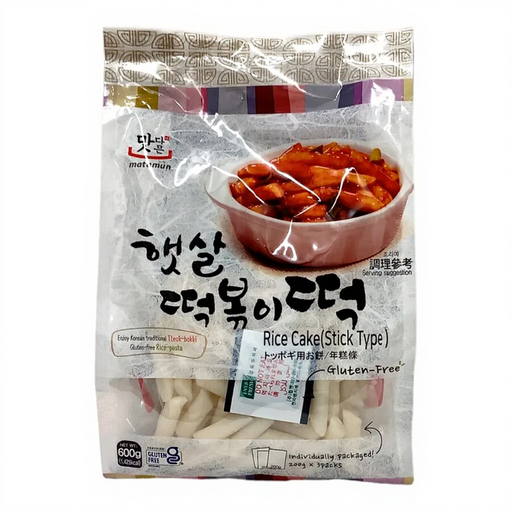
Why This Fits Their Persona: This pack of uncooked rice cakes is the ideal foundation for anyone who wants to prepare an authentic tteokbokki dish from scratch. It allows for complete control over the sauce, spice level, and other ingredients like vegetables or fish cakes.
The high 99% rice content ensures an authentic, chewy texture, avoiding the problem of mushy instant rice cakes. Since it only contains the rice cakes, there's no risk of disappointment from an unsuitable pre-made sauce.
Excellent texture thanks to 99% rice; large 600g pack for multiple meals; maximum flexibility in preparation.
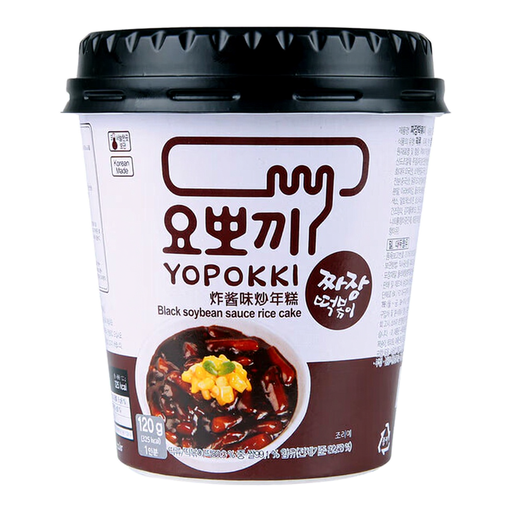
Why This Fits Their Persona: For anyone curious about Korean cuisine but who dislikes spicy food. Jjajang, a savoury black bean sauce, is a classic and offers a deep, salty-sweet umami flavour with no heat at all.
This product solves the problem of ambiguous spice levels because it is inherently non-spicy. The clear "Jjajang" labelling ensures that the buyer knows exactly what flavour profile to expect.
Authentic, non-spicy Jjajang flavour; quick and easy preparation in a cup format.
We've compiled a complete, up-to-date list of products that fully meet these strict selection criteria and comply with German regulations.
Is tteokbokki always spicy? No. Although the most famous version is made with a spicy gochujang sauce, there are numerous non-spicy alternatives. Jjajang Tteokbokki, with a savoury black bean sauce, is especially popular. Creamy sauces based on cheese or cream (Carbonara-style) are also popular mild options.
How long do opened tteokbokki rice cakes last? Uncooked rice cakes from an opened package should always be stored in the refrigerator. Since they quickly lose moisture and become hard, or can be susceptible to mould, it is recommended to consume them within 2 to 3 days.
Can you make tteokbokki without fish cakes? Yes, absolutely. While fish cakes (eomuk) are a traditional ingredient, they are by no means mandatory. Tteokbokki works wonderfully as a vegetarian dish prepared with mushrooms, tofu, and various vegetables. Other popular additions include hard-boiled eggs, processed cheese, sausages, or ramen noodles to make Rabokki.