
Lieferung heute & morgen

Qualitätsgarantie

Willkommens-Angebote freischalten: KOSTENLOSE Lieferung | Bis zu 80 % RABATT | Kostenlose 30-Tage-JoyPlus-Testphase
App herunterladen
By Joybuy Product Recommendation Officer, August 28, 2026
Anyone looking to buy Udon noodles often faces a shelf full of options that seem nearly identical at first glance. But these thick, soft wheat noodles from Japan vary significantly in texture, preparation method, and suitability for specific dishes. Buying the wrong type is frustrating, especially when your planned dinner—be it a steaming soup or a quick Yaki Udon—doesn't turn out as expected. Before you order Asian noodles online, you should know the common pitfalls.
This guide will help you recognise the subtle yet crucial differences and find the perfect product for your kitchen.
The 'Freshness' Trap: Many products labelled as fresh Udon noodles are actually pre-cooked and vacuum-sealed. This makes them incredibly convenient, but their texture differs from the truly fresh noodles found in Japanese restaurants. These vacuum-sealed noodles are often softer and require different handling than their dried or frozen counterparts. This can be ideal for a stir-fry, but perhaps not for a soup where a firm bite is desired.
Vague Ingredient Lists: Traditional Udon noodles consist of only wheat flour, water, and salt. However, many commercially available products contain additional ingredients like acidity regulators (e.g., lactic acid) to extend shelf life or modified starch to stabilise the texture. These additives aren't inherently bad, but they can affect the pure wheat flavour and mouthfeel. Anyone seeking an authentic, pure taste should check the ingredient list carefully.
To find the right Japanese noodles for your needs, focus on two core parameters: the noodle type and the composition.
The form in which the noodles are sold significantly determines the preparation time and texture.
A look at the ingredient list and the noodle's shape reveals a lot about its character.
Here are some recommendations tailored to different needs and cooking habits.
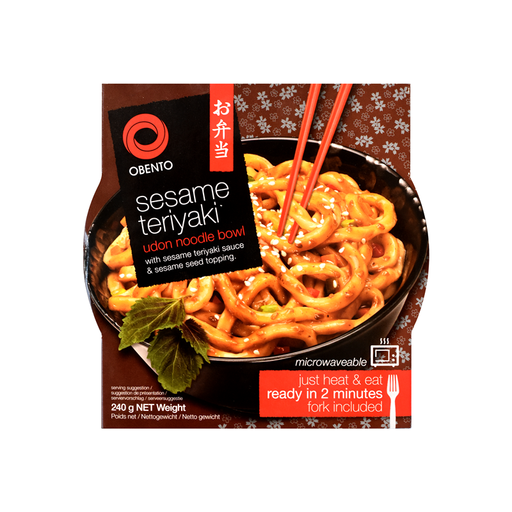
Why This Fits Their Persona: Ideal for a quick and easy meal at the office or after a long day. As a complete meal kit with noodles, sauce, and a vegetable topping, no further prep or ingredient hunting is needed. Perfect for anyone who wants the taste of an instant Udon soup in a convenient bowl format.
This product avoids the 'ingredient surprise' by being designed as a balanced, all-in-one kit. The sauce and noodles are perfectly matched, so there are no unexpected flavour combinations.
All-in-One Meal: Includes noodles, teriyaki sauce, dehydrated vegetables, and a sesame topping. Quick Preparation: Ready in minutes with just boiling water.
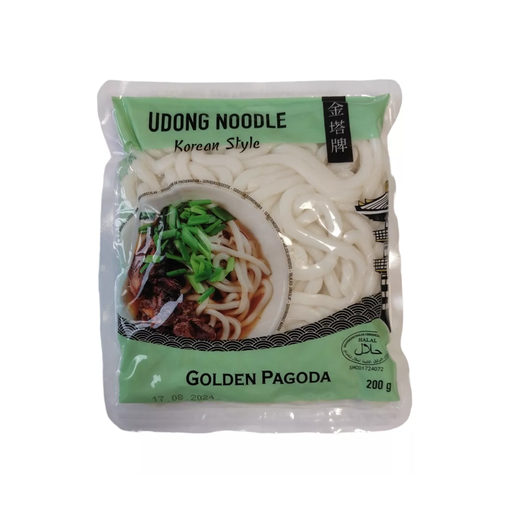
Why This Fits Their Persona: These pre-cooked noodles provide a high-quality, neutral base for your own creations. They are quick to prepare yet absorb sauces and broths excellently without bringing their own flavour from added seasonings. Ideal for authentic soups or stir-fry dishes.
This product solves the 'freshness trap' by offering the convenience of pre-cooked noodles (quick preparation) while its neutral recipe gives the cook full control over the flavour profile.
Versatile Base: The mild, neutral flavour absorbs sauces perfectly. Fast Cooking Time: Heated in a soup or pan in just 1–2 minutes.
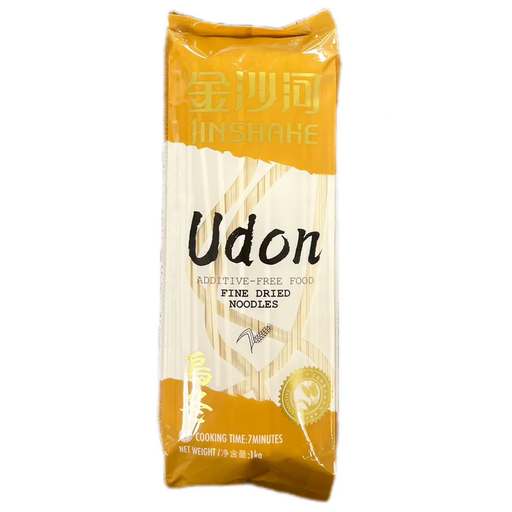
Why This Fits Their Persona: This 1kg value pack of dried Udon noodles is perfect for stocking the pantry in family households or for anyone who cooks regularly. The noodles are long-lasting and provide a reliable foundation for a variety of dishes, from soups to hot pot.
This product relies on a purist recipe, thereby avoiding the trap of hidden additives. Its long shelf life is achieved through drying, not chemical preservatives.
Long Shelf Life: Ideal for the pantry. Bulk Pack: Cost-effective for multiple meals or larger groups.
We have compiled a complete, up-to-date list of products that fully meet these strict selection criteria and German food safety regulations.
For Yaki Udon (stir-fried Udon noodles), pre-cooked, vacuum-sealed noodles are often the most practical choice. They just need to be briefly loosened and heated in the pan. Their softer yet stable structure ensures they don't fall apart during stir-frying and absorb the sauce well.
Once the vacuum pack of pre-cooked Udon noodles is opened, they are best used immediately. Any leftovers can be stored in an airtight container in the refrigerator for a maximum of 1–2 days. Always follow the specific manufacturer's instructions on the packaging.
Yes, rinsing them under cold water is a recommended step. It immediately stops the cooking process, which preserves a firmer, more 'al dente' texture and prevents the noodles from becoming mushy. It also rinses away excess starch from the surface, making the noodles less likely to stick together. This is especially important if the noodles will be used in a stir-fry or a cold noodle salad.