
Lieferung heute & morgen

Qualitätsgarantie

Willkommens-Angebote freischalten: KOSTENLOSE Lieferung | Bis zu 80 % RABATT | Kostenlose 30-Tage-JoyPlus-Testphase
App herunterladen
The selection of vegan foods is constantly growing, making it easier than ever to implement a plant-based diet in your daily life. However, this wide array of options also presents challenges. Not every product marketed as "plant-based" delivers on its promise. Many consumers invest in products that are disappointing in taste, have an undesirable ingredient list, or are nutritionally unconvincing. This guide will help you recognise the common pitfalls and make an informed choice when you buy vegan food online.
Before you fill your shopping cart, it's helpful to be aware of three common issues that can lead to purchase mistakes:
To avoid these pitfalls, focus on three crucial parameters. These will help you objectively evaluate a product's quality and suitability.
A short and understandable ingredient list is often an indicator of a less processed product. Pay close attention to the following points:
The nutrition label provides the unvarnished facts. For a balanced vegan diet, the following values are particularly relevant:
Distinguish between staple foods and convenience products.
Here are some recommendations tailored to different needs and preferences.
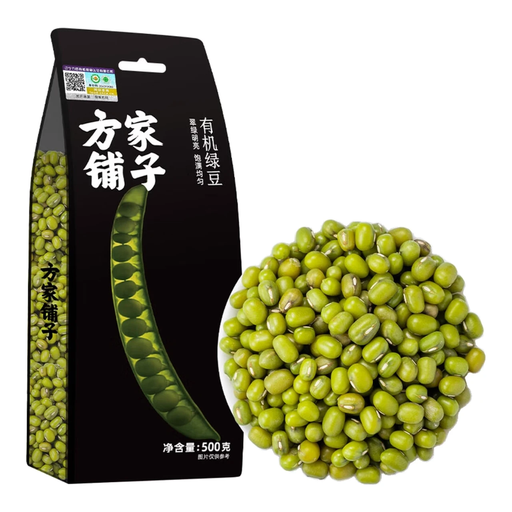
Why This Fits Their Persona: Ideal for anyone looking to build their vegan pantry with a nutrient-rich and versatile ingredient. Mung beans are an excellent source of plant-based protein and fibre.
This product consists of a single ingredient: organic mung beans. There are no hidden additives, no added sugar, and no salt. It completely bypasses the nutritional and ingredient traps of processed products.
High protein content (21.6 g/100 g) and versatile for use in soups, stews, salads, or for sprouting. The organic certification ensures a high quality standard.
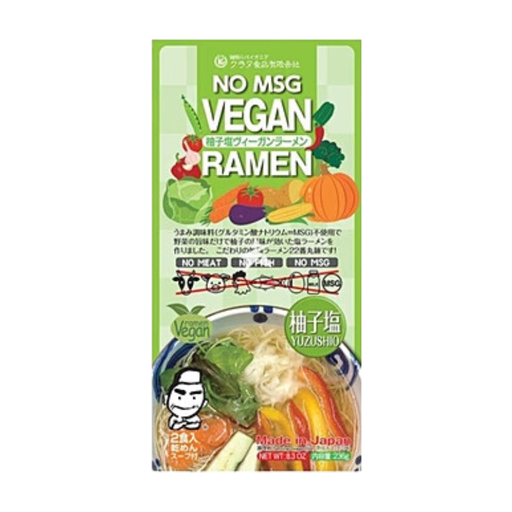
Why This Fits Their Persona: Perfect for busy professionals or students looking for a quick yet sophisticated meal. This product brings authentic Japanese flavour to your kitchen without long cooking times.
The product is explicitly declared as "Vegan Ramen," avoiding the trap of hidden animal ingredients. It doesn't promise a meat flavour but delivers a unique, refreshing profile of yuzu and seaweed.
The clear, salty broth with the citrus aroma of yuzu is a welcome change from heavy, creamy soups. Preparation is quick and easy.
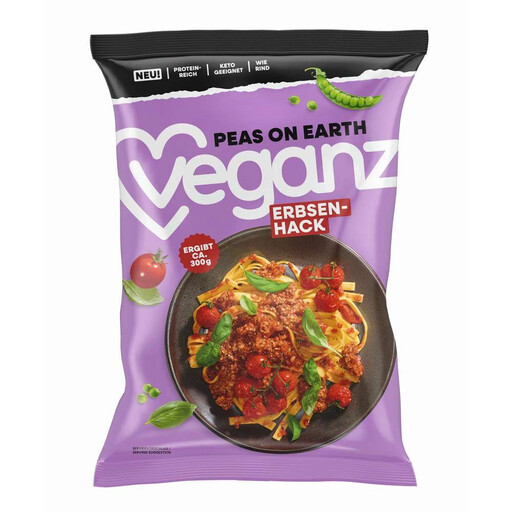
Why This Fits Their Persona: For anyone who loves to cook and is looking for a flexible base for dishes like bolognese, lasagne, or chili sin carne. This product provides the texture, while the flavour can be customised.
As a dry product intended for further processing, it bypasses the nutritional trap of ready meals. You have full control over the addition of salt, fat, and spices, allowing you to create a dish that meets your nutritional preferences.
Extremely high protein content of 74 g per 100 g. The pea protein base is a great alternative to soy. The product has a long shelf life and is highly versatile.
We have compiled a complete, up-to-date list of products that fully meet these strict selection criteria and German regulations.
No, the term "plant-based" is not as strictly legally defined as "vegan." A product declared as plant-based may contain trace amounts or small quantities of animal products used during processing (e.g., honey, certain flavourings, or juice clarified with gelatin). For a strictly vegan diet, it is essential to look for an official vegan seal or an explicit "vegan" declaration and to check the ingredient list carefully.
With meat substitutes, three aspects are important: the protein source, the degree of processing, and the nutritional value. Look for a high-quality protein source like soy, peas, or wheat. Compare the protein content per 100 g—good values are often above 15 g. Also, check the salt and fat content, as these can be high in highly processed products. A shorter ingredient list generally indicates a less processed product.
Dry vegan staples like legumes, grains, or dry products like pea mince should be stored in a cool, dry, and dark place. Airtight containers made of glass or metal are ideal for protecting them from moisture, pests, and loss of flavour. When stored correctly, these products often have a shelf life of many months to years.