
Lieferung heute & morgen

Qualitätsgarantie

Willkommens-Angebote freischalten: KOSTENLOSE Lieferung | Bis zu 80 % RABATT | Kostenlose 30-Tage-JoyPlus-Testphase
App herunterladen
A vegan protein powder can be a handy addition to shakes, breakfast, or your post-workout nutrition. The range stretches from neutral blends to flavoured varieties with several plant-based protein sources. Marketing terms like “complete”, “100% plant-based” or “developed for athletes” alone, however, say very little about how suitable a product actually is.
What really matters are the ingredients list, the protein content per serving, and how well you tolerate it. If you check these points before buying, you’ll avoid unnecessary expense and end up with a product that fits your daily routine.
A large pack doesn’t automatically mean lots of protein servings. So always compare the protein content per serving, the recommended powder amount, and the number of servings. Some products also highlight the protein content per 100 grams, even though the serving size is more important for everyday use.
A plant-based protein powder can contain soya, wheat, almonds, or other ingredients that must be declared. A product with soya and pea protein is vegan, but it isn’t suitable for anyone with a soya allergy. The label “vegan” describes the absence of animal ingredients, not automatically gluten-free, nut-free, or a specific level of tolerance.
Flavours like chocolate, vanilla, or salted caramel can vary in sweetness and intensity from one product to another. With neutral powder, additional sweetening is often intended. When making a vegan protein shake, you should also consider whether you’re using water, a plant-based drink, or another liquid. The amount of liquid affects both the consistency and the taste.
A plant-based protein powder can come from a single source or a blend. Commonly used sources include soya, pea, rice, wheat, sunflower, or almond protein. A combination like soya pea rice protein can bring together different plant-based protein sources. Even so, buyers should read the actual ingredients list rather than relying solely on the name “multi-component protein”.
For a vegan protein powder for muscle building, your overall diet is also important. The powder doesn’t replace a balanced and varied diet. It can only help you conveniently top up your personal daily protein intake.
Look out for three pieces of information:
With Nutri+, both products shown state 25 g of protein per 30 g serving. That’s a clear, comparable figure. According to the product information, preparation is done with 300 ml of liquid. If you drink shakes more often, you should also calculate how many servings the pack actually provides.
Read the allergen labelling before you buy. According to the ingredients list, the Nutri+ Starter Set contains soya protein isolate, wheat protein, rice protein, pea protein isolate, sunflower protein and almond protein, among others. The Nutri+ Nature’s Protein contains soya protein isolate, pea protein isolate and rice protein.
Nature’s Protein is described as without sweeteners. According to the usage instructions, it can be sweetened to taste with erythritol, xylitol, steviol glycosides or sugar. This variety is therefore better suited to buyers who want to decide the sweetness level for themselves.
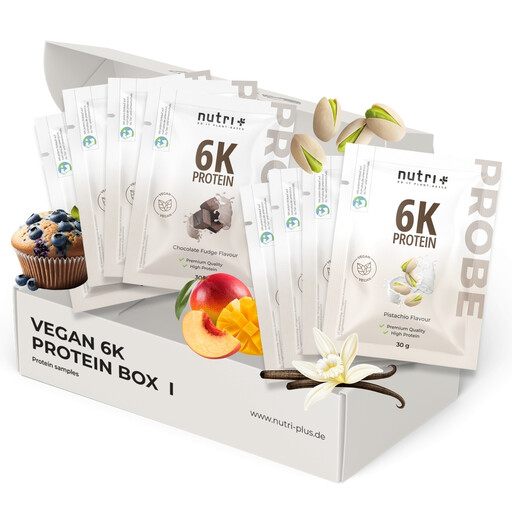
Why this product fits the profile: The set contains eight varieties, each 30 g, and lets you compare flavours like Banana Milk, Chocolate Fudge, Mango-Peach or Vanilla before buying a larger pack.
The sample sizes reduce the risk of buying a large pack with a flavour you don’t like. Allergens such as soya, wheat and almond should still be checked.
Eight flavours, 25 g protein per stated 30 g serving, and simple preparation with 300 ml of liquid.
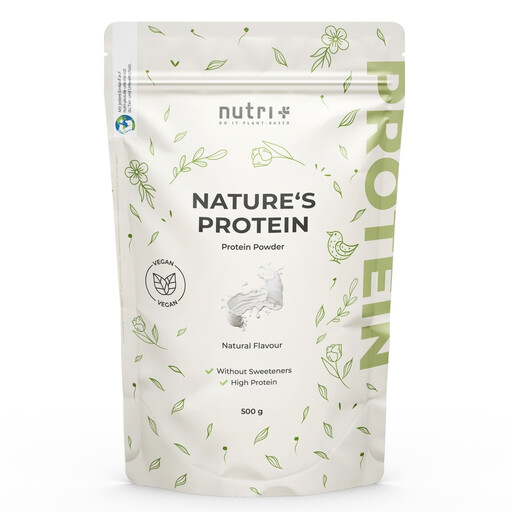
Why this product fits the profile: According to the product information, the recipe consists of soya, pea and rice protein and is offered without sweeteners. This means you can adjust the flavour to your own taste.
The ingredients list clearly names the three protein sources. Because no ready-made sweet flavour has been added, you’re not automatically tied to a specific sweetness level.
500 g pack, 25 g protein per stated 30 g serving, and adjustable sweetness using your own ingredients.
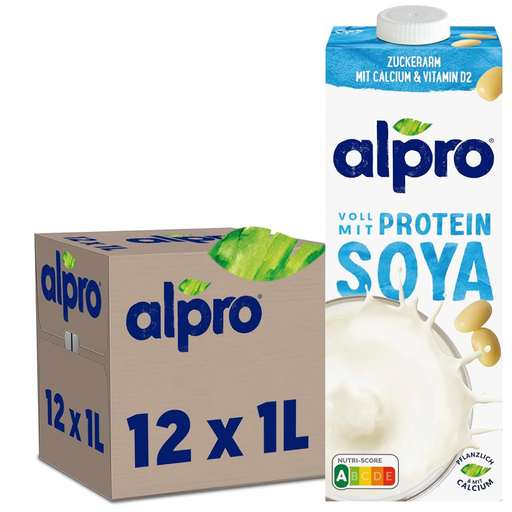
Why this product fits the profile: According to the product information, this fortified soya drink contains 3 g of protein per 100 ml and can be used for a plant-based protein shake, muesli or coffee.
The protein amount is stated per 100 ml, making it easy to factor into your own shake calculation. This isn’t a powder; for allergy sufferers, soya is the relevant allergen.
Large pack with 12 litres, 3 g protein per 100 ml, plus calcium and vitamins B2, B12 and D2 according to the product description.
For a classic vegan protein shake, mix 30 g of powder with 300 ml of liquid in a shaker. Shake the drink until no visible powder lumps remain. Plant-based drinks can make the consistency creamier, but depending on the product they also increase the energy and carbohydrate content.
Store protein powder in a cool, dry place and seal the pack after every use. The best-before date on the packaging remains the key reference. After the recommended serving, the product should not be seen as a replacement for a varied diet. If you have allergies or special dietary requirements, the full ingredients and allergen list is essential.
We’ve put together a complete, regularly updated list of products that fully meet these strict selection criteria and the safety regulations in force in the EU.
The right amount depends on the label and your personal diet. With the Nutri+ products mentioned, the recommended serving is 30 g of powder with 300 ml of liquid. What matters is the stated protein content per serving, not just the powder amount.
No. Vegan protein powder contains no animal ingredients, but it can contain soya, wheat or almonds. The Nutri+ 6K blend, for example, lists soya, wheat and almond in its ingredients. If you have an intolerance, always check the allergen labelling on the current packaging.
The specific best-before date is on the packaging. After opening, the powder should be stored dry, cool and tightly sealed. Moisture can change the consistency. For actual usability, also pay attention to the smell, appearance and the manufacturer’s instructions.