
Lieferung heute & morgen

Qualitätsgarantie

Willkommens-Angebote freischalten: KOSTENLOSE Lieferung | Bis zu 80 % RABATT | Kostenlose 30-Tage-JoyPlus-Testphase
App herunterladen
Anyone looking to buy vegetables online will find a wide selection of frozen products, tinned goods and plant-based specialities. However, shopping decisions should be based on more than product images or terms such as “natural”, “high in protein” or “freshly harvested”. The key factors are the ingredients list, net quantity, storage requirements and whether the product suits your everyday routine.
This shopping guide from the Joybuy Product Recommendation Officer explains what families, vegans, vegetarians and keen home cooks should look for when comparing products.
With tinned vegetables, the packaging often states the total weight, including water or brine. However, the drained weight is a more useful indication of how much you will actually eat. A 425 ml tin may therefore contain considerably less vegetables than the outer size suggests.
When comparing prices, you should consider the price per kilogram of the drained contents. This prevents a supposedly low-cost tin from working out more expensive because of its high liquid content.
Many vegetable products are vegan, vegetarian and lactose-free. However, the salt content can still be significant in pickled products. Ingredients such as water and salt are common in beans and pickled vegetables. Fermented specialities, such as pickled mustard greens, may have a considerably higher declared salt content.
The nutritional information provides a more objective guide than marketing claims. Check the salt per 100 g value and whether it refers to the drained product.
“Organic” is a protected designation and should be confirmed by the relevant organic seal on the product. With organic edamame or organic spinach, it is also important to check whether the product is shelled, blanched, portioned and sold frozen.
Frozen vegetables are not automatically fresher than every other product. However, they can be convenient because they can be portioned and, when stored continuously at −18 °C or colder, remain in stock for longer.
For a vegan diet, it is not enough to look only at the product photo. Check the following:
Edamame are young soya beans and therefore contain the soya allergen. Anyone looking to buy soya beans should take this warning into account regardless of whether the product is suitable for a vegan diet.
The type of product determines how much storage space you need:
If you are short on time, cooked edamame can be served cold or gently warmed. Frozen green beans, on the other hand, must be heated thoroughly. The specific timings on the relevant packaging take priority.
A 300 g pack may be suitable for a small household or as a side dish. Families and frequent users may benefit from 750 g or 1 kg packs, provided there is enough freezer space. With tinned products, the pack size should match how much you plan to use after opening.
Smaller packs are often more manageable for occasional meals. If you regularly prepare bowls, stir-fries or salads, larger quantities can be used more economically.
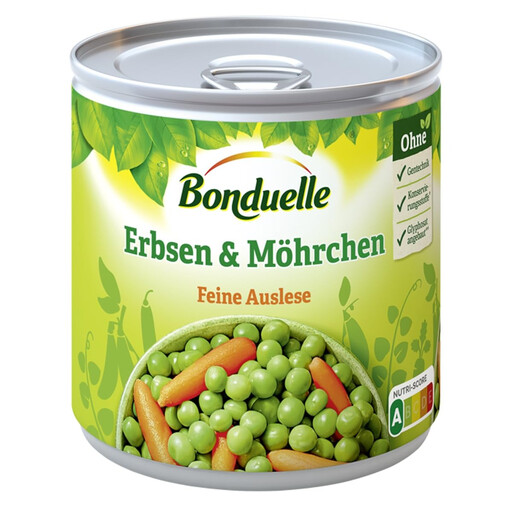
Why this product suits this profile: The combination of peas and carrots can be used straight from the tin and is ideal as an easy side dish or for rice dishes and sauces.
The product information lists the ingredients, nutritional values and allergens. This makes it easier to compare the liquid content with the amount of vegetables you actually need.
425 ml tin, vegan and with no declared allergens; refrigerate after opening and consume within one day.
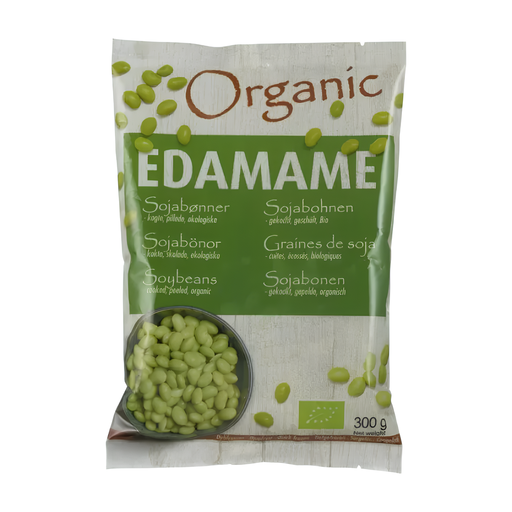
Why this product suits this profile: Shelled, blanched and frozen organic edamame can be portioned precisely for salads, bowls, soups or Asian-style dishes.
The product information clearly highlights its organic quality, soya allergen and frozen storage requirements. This means important selection criteria are clear before purchase.
300 g, 12.0 g protein per 100 g according to the product information, vegan and GMO-free; consume on the same day after thawing.
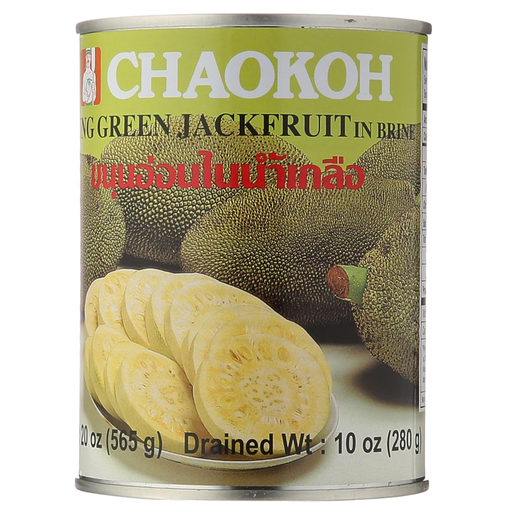
Why this product suits this profile: Young green jackfruit is a versatile ingredient for curries, stews and vegan dishes where a fibrous texture is desired.
The recipe lists 50% green jackfruit, water, salt and citric acid. This clearly distinguishes it from seasoned ready meals or meat substitute products.
560 g tin, vegan and with no declared major allergens; store unopened in a cool, dry place and refrigerate after opening.
Anyone looking to buy green beans can choose between frozen products and tinned options. Frozen fine beans from Jeden Tag are sold without additives and require around 12 minutes on the hob or around 9 minutes in the microwave. Tinned options such as Bonduelle Extra Fine Green Beans or Küstengold Fine Cut Green Beans, on the other hand, can be used straight away and do not require freezer space.
For larger households, peas with carrots are also available in various tin sizes. Buying seaweed is particularly worthwhile for salads, soups and rice dishes; with Green-Deer products, you should take the comparatively high salt content into account. If you are looking for a larger frozen portion, you can also choose cooked Mooijer-Volendam edamame in a 1 kg bag. Store at −18 °C or colder.
We have put together a complete, regularly updated list of products that fully meet these strict selection criteria and the safety regulations applicable in the EU.
This depends on the product. According to the product information, some tins should be consumed within one day, while others should be used within two to three days. After opening, they should be refrigerated and, wherever possible, transferred to a suitable sealable container.
Look for undamaged packaging, the required continuous storage temperature of −18 °C or colder, and the instruction not to refreeze the product after thawing. Preparation times vary depending on the type of vegetable and the product.
Edamame are available online as shelled beans, whole pods or already-cooked soya beans. They work well in salads, bowls, soups, stir-fries and snacks. Because they contain the soya allergen, check the ingredients and allergen information before buying.