
Lieferung heute & morgen

Qualitätsgarantie

Willkommens-Angebote freischalten: KOSTENLOSE Lieferung | Bis zu 80 % RABATT | Kostenlose 30-Tage-JoyPlus-Testphase
App herunterladen
If you want to buy vinegar online, you’ll quickly find plenty of bottles that look similar but differ significantly in ingredients, acidity levels and intended uses. A dark vinegar isn’t automatically an aged balsamic, and vinegar essence shouldn’t be used undiluted in salads or marinades. So your choice should match how you plan to use it.
“Balsamic” doesn’t always indicate a specific ageing level or traditional production method. With Aceto Balsamico di Modena, the “I.G.P.” or “P.G.I.” label is a meaningful indicator of protected geographical indication. Even so, it’s worth checking the ingredients list: wine vinegar, concentrated grape must, sugar, colouring or sulphites can all be present, depending on the product.
A table vinegar with around 5% acidity can usually be used straight away for salad dressings, sauces and marinades. A vinegar essence with 20% or 25% acidity, on the other hand, is a concentrated product. It must be diluted according to the instructions on the packaging and should never be drunk or added undiluted to food.
Depending on its labelling, vinegar essence may be intended for both kitchen use and certain cleaning tasks. A descaler with citric acid, however, is a household product and should only be used as directed. Food and cleaning products should be stored separately. Acidic cleaners must also not be mixed with bleach or other cleaning agents.
The acidity level affects flavour, dosage and how you can use the vinegar. For a mild dressing, for example, a white balsamic or a classic table vinegar works well. A concentrated product such as Kühne Pure Vinegar Essence has an acidity of 20% according to the product details and is not intended for direct consumption.
This breakdown can help you choose:
With an organic vinegar, check for the organic certification logo on the packaging. According to the product details, Alnatura Aceto Balsamico di Modena P.G.I. uses organic red wine vinegar and concentrated organic grape must. This product contains sulphites. Asian varieties can also contain relevant allergens: Ninghuafu Aged Black Vinegar lists barley and wheat as gluten-containing ingredients.
With rice vinegar, there’s also a distinction to make: a product made from glutinous rice can taste milder and rounder than a very sharp rice wine vinegar. For anyone with allergies or intolerances, the ingredient and allergen labelling is what matters, not just the product name.
An aged vinegar can develop a different aroma and a softer acidity through its maturation period. The statement “aged for 3 years” on Qianhe 3-Year 5-Grain Cellar Aged Vinegar describes a specific product characteristic. However, it shouldn’t automatically be equated with every type of balsamic ageing.
For everyday use, 400 to 500 millilitres is often a practical size. Smaller 250-millilitre bottles are suitable when a speciality is only used occasionally or when you want the aroma to stay as fresh as possible after opening. Storage instructions such as “keep in a cool, dry place” and the recommended storage after opening should be followed.
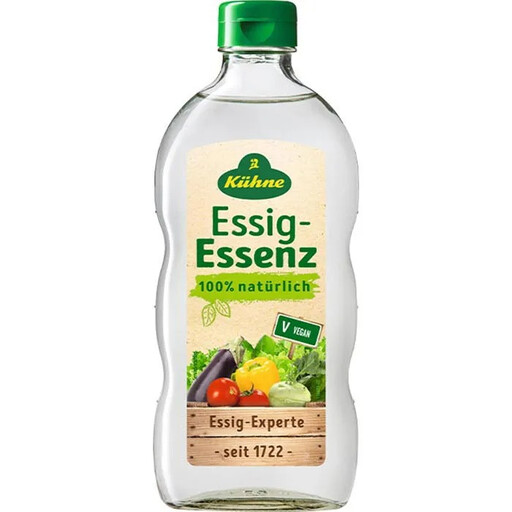
Why this product fits the profile: The 400g pack is ideal for households looking for a concentrated product to dilute, season, pickle or use for designated household tasks.
The 20% acidity level is clearly stated. This makes it easier to plan the required dilution than with a vaguely labelled vinegar essence.
According to the product details, it is vegan, gluten-free and lactose-free; intended for making a lower vinegar concentration.
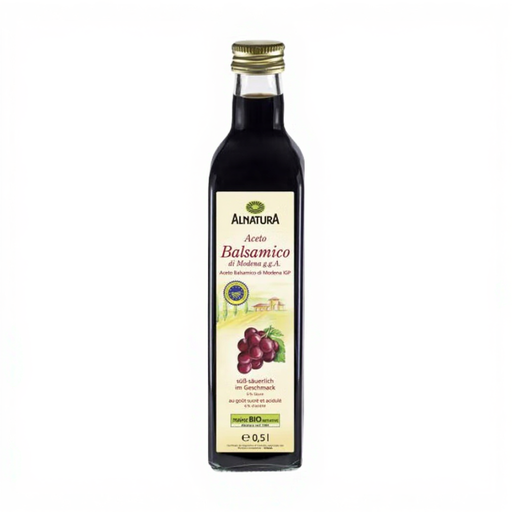
Why this product fits the profile: The combination of organic red wine vinegar, concentrated organic grape must and protected geographical indication makes it ideal for Italian salads, vegetables, meat and desserts.
The ingredients and 6% acidity are clearly stated in the product description. Sulphites are explicitly declared.
Organic ingredients as per labelling, 500ml content and versatile use as a dressing, glaze or finishing touch.
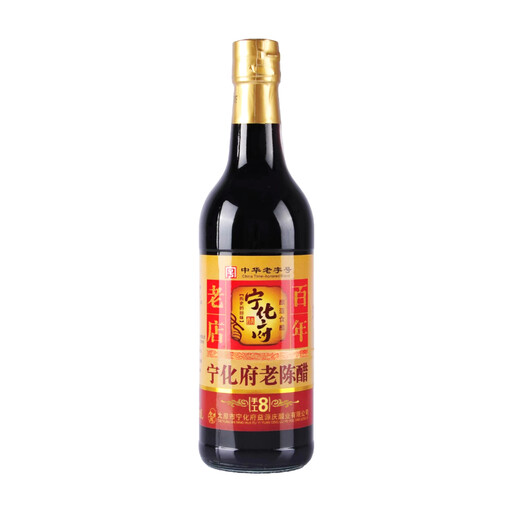
Why this product fits the profile: This Chinese vinegar made from sorghum, bran and Daqu is designed for dim sum, hotpot, cold dishes and robust sauces.
The traditional raw ingredients and the allergens it contains are listed. This makes it easy to distinguish this variety from mild rice vinegar.
500ml content, 5.1g protein and 1.5g salt per 100ml according to the product details; suitable for dips, marinades and hot dishes.
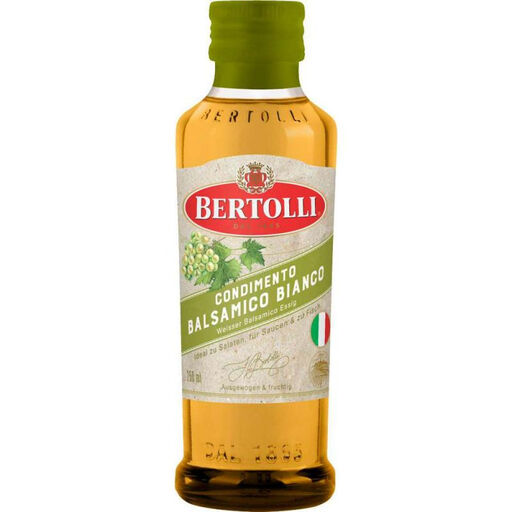
Why this product fits the profile: The white balsamic brings a light colour and a sweet-sour profile to salads, Caprese, fruit, cheese and glazes.
The 250ml bottle limits the risk of having too much stock when used only occasionally. The product description recommends refrigeration after opening.
According to the product details, 21g sugar per 100ml and no added salt or fat; suitable for dressings and dessert ideas.
We’ve put together a full, regularly updated list of products that fully meet these strict selection criteria and the safety regulations in force in the EU.
For classic dressings, table vinegar, white balsamic or a mild rice vinegar work well. The choice depends on the desired acidity level and flavour. For sweeter dressings, a balsamic from Modena can be suitable; for Asian salads, rice vinegar or Chinese vinegar are good options.
Thanks to its acidity, vinegar has a relatively long shelf life. However, the instructions on the packaging and storage conditions are what matter. Bottles should be kept tightly sealed, cool and dry. For products with special storage instructions, such as refrigeration after opening, this recommendation should be followed.
The key factors are acidity level, dosage instructions and intended use. Vinegar essence with 20% or 25% acidity is normally diluted and not used directly. For descaling tasks, products such as liquid citric acid may be an alternative. Before any use, you must check the label, safety instructions and material compatibility.