
Lieferung heute & morgen

Qualitätsgarantie

Willkommens-Angebote freischalten: KOSTENLOSE Lieferung | Bis zu 80 % RABATT | Kostenlose 30-Tage-JoyPlus-Testphase
App herunterladen
Anyone looking to buy vinegar online will find a wide selection for salads, sushi, marinades, sauces and pickling. However, the differences are not limited to flavour. Ingredients, acidity, sugar content, bottle size and storage instructions all determine whether a product is suitable for its intended use.
Rice vinegar is generally milder than classic table vinegar and is ideal for sushi, Asian dressings and light marinades. Sushi vinegar, on the other hand, already contains sugar and salt. It is designed to season sushi rice straight away, but cannot simply be used like neutral rice vinegar.
Balsamic products also differ considerably. Italian balsamic vinegar made with concentrated grape must may be sweeter and more aromatic than an acidity-led white wine vinegar. For clear dressings or light-coloured sauces, white balsamic is often more suitable than a dark product.
Acidity is often stated as a percentage. Table vinegar with 5% acidity is typically suitable for seasoning, salads and certain pickling applications. Vinegar essence with 20 to 25% acidity, however, is a concentrated product and must not be consumed directly.
Before use, vinegar essence must be diluted according to the instructions on the label. Overlooking this difference can result in unsuitable dosing and an unbalanced flavour. For everyday use, ready-to-use vinegar is generally easier to handle.
A balsamic condiment may contain sugar, syrup, starch, thickening agents or colourings in addition to vinegar and grape must. For example, Kühne Aceto Balsamico di Modena PGI 150 ml lists grape must, glucose-fructose syrup, modified starch, xanthan gum and the colouring E150d, among other ingredients. If you are looking for the shortest possible ingredients list, compare the product details before buying.
Bottle size is also relevant. Bottles of 150 to 250 ml are suitable for occasional finishing, while 500 to 750 ml bottles may be more practical for regular cooking, dressings and pickling.
When pickling, you should also follow the specific recipe, mixing ratio and hygiene instructions. Acidity alone does not guarantee the safe shelf life of every food pickled at home.
For vegan or vegetarian diets, products with the relevant labelling are practical. Kühne Table Vinegar 5% is stated to be vegan, vegetarian, gluten-free and lactose-free. Kühne 7-Herb Vinegar with 5% acidity is also intended for salads, seasoning and pickling gherkins.
When buying Italian balsamic vinegar and organic vinegar, consumers should look out for sulphites. Several products in this selection contain sulphites, including Alnatura Organic White Wine Vinegar and Alnatura Organic Aceto Balsamico di Modena PGI. The binding ingredients and allergen information can be found on the product packaging.
Neutral table vinegar is highly versatile, while herb vinegar already brings additional seasoning notes. Chinese black vinegar such as Ninghuafu Aged Black Vinegar is made with sorghum, bran, rice husks and daqu and, according to the product information, contains gluten-containing cereals. It is suitable for dipping sauces, cold dishes, hotpot and warm meals.
Sweetened vinegar such as Patchun Sweetened Vinegar Sauce contains 62% rice vinegar and 36% sugar, as well as spices, according to the ingredients list. It is therefore better suited to sweet-and-sour dishes, certain Chinese braised dishes or sweeter dressings than to a classic sugar-free salad dressing.
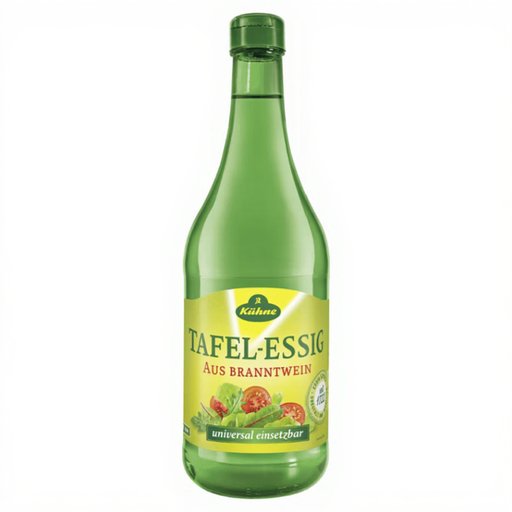
Why this product suits this profile: The ready-to-use 750 ml bottle is suitable for households looking for a neutral vinegar for salads, marinades and everyday cooking.
The stated acidity of 5% makes it easier to identify than concentrated vinegar essence. The ingredients list specifies distilled vinegar with no listed allergens.
5% acidity, 750 ml capacity, and stated to be vegan, gluten-free and lactose-free.
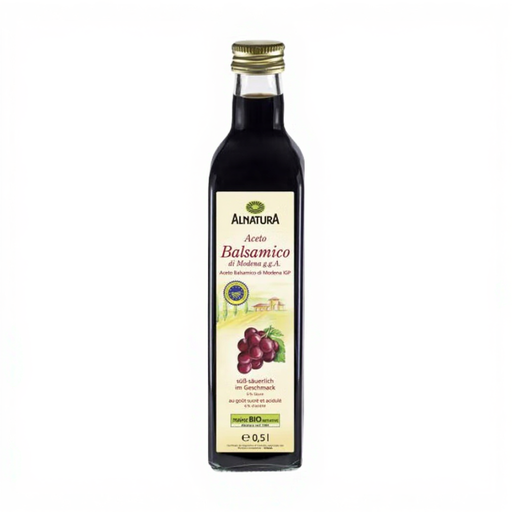
Why this product suits this profile: The combination of organic red wine vinegar and concentrated grape must appeals to shoppers who value provenance, organic certification and a fruitier flavour profile.
The product details state the protected geographical indication, 6% acidity and two main ingredients from organic farming. This makes it easier to distinguish from heavily sweetened condiments.
Organic certification, 500 ml capacity, 6% acidity and suitability for salads, meat dishes, vegetables and desserts.
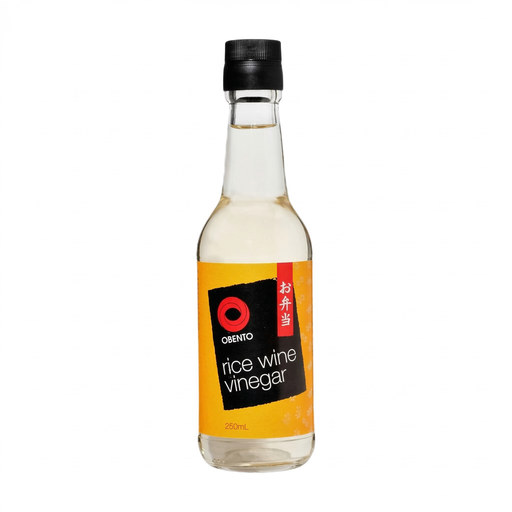
Why this product suits this profile: The 250 ml bottle is aimed at home cooks planning smaller quantities of Japanese dishes, sushi rice, dressings or pickled foods.
Unlike sushi vinegar, the product information does not list a sugar-and-salt mixture. This allows you to adjust the seasoning yourself.
Water, glutinous rice and salt are listed as ingredients; versatile for Japanese-inspired cuisine, dressings and pickling.
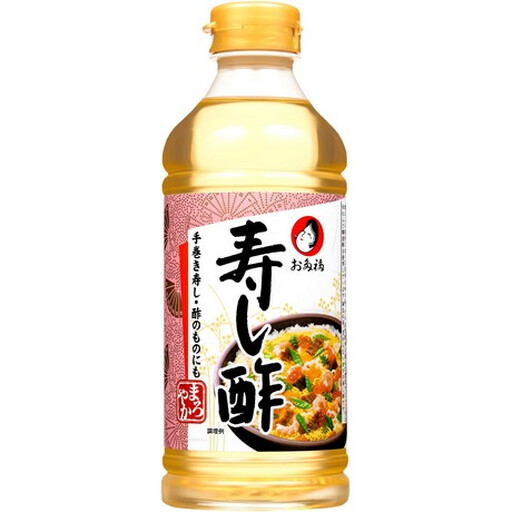
Why this product suits this profile: The seasoning blend of rice vinegar, sugar and salt is tailored to sushi rice, reducing the number of additional preparation steps.
The ingredients list clearly specifies sugar and salt. If you are looking for neutral rice vinegar, this immediately shows that the product is already seasoned.
500 ml capacity and a defined blend containing 32 g of sugar and 8.3 g of salt per 100 ml, according to the product information.
We have put together a complete, regularly updated list of products that fully meet these strict selection criteria and the safety regulations applicable in the EU.
For Italian dishes, Italian balsamic vinegar, white balsamic vinegar or organic balsamic vinegar may be suitable. For light dressings, Alnatura Organic White Balsamic Condimento with white wine vinegar and concentrated grape must is one possible option. For Asian recipes, alternatives to rice vinegar include brown rice vinegar, Chinese black vinegar and seasoned vinegar sauces.
If you prefer apple vinegar, look for ingredients such as ‘100% apple vinegar’ and organic certification. Alnatura Organic Apple Vinegar is described as cloudy and unfiltered. Sediment may occur in these products and is possible according to the product information. For herbal notes, however, a herb vinegar such as the Kühne 7-Herb variety is the intended choice.
That depends on the flavour you want. Table vinegar is neutral and versatile. White wine vinegar provides clean acidity, rice vinegar is generally milder, while balsamic vinegar brings sweeter notes from the grape must. With ready-made sushi vinegar, you should take the sugar and salt content into account.
Unopened vinegar generally has a long shelf life. However, the best-before date and the information on the packaging are decisive. Many products should be stored in a cool, dry place away from light. Some manufacturers recommend refrigeration after opening and using the product promptly.
No. Vinegar essence with 20 or 25% acidity is a concentrate. It must be diluted according to the manufacturer’s instructions and must not be used directly as seasoning vinegar. For dressings, marinades and prepared dishes, ready-to-use vinegar is generally the more straightforward option.