
Lieferung heute & morgen

Qualitätsgarantie

Willkommens-Angebote freischalten: KOSTENLOSE Lieferung | Bis zu 80 % RABATT | Kostenlose 30-Tage-JoyPlus-Testphase
App herunterladen
For many, a vitamin C serum is a cornerstone of an effective skincare routine. It promises radiant skin, a more even complexion, and protection against environmental damage. However, the market is flooded with products whose marketing claims often create more confusion than clarity. Many users invest in an expensive serum only to find it's ineffective or even causes skin irritation.
As your Joybuy Product Recommendation Officer, I'm here to help you navigate the common pitfalls. We'll focus on the objective criteria that truly matter, enabling you to make an informed decision and find an effective vitamin C for your skin without falling for empty marketing hype.
Before we dive into the solutions, it's crucial to understand the most common issues that lead to disappointment and wasted money.
To ensure your serum delivers on its promises, you should check the following three parameters before buying.
Choosing the right form of vitamin C is the most critical factor. Here are the most common variants and their properties:
Vitamin C is rarely most effective on its own. Certain ingredients can significantly boost its stability and antioxidant power.
The best formulation is useless if it isn't properly protected. Look for packaging that shields the contents from vitamin C's main enemies—light and oxygen. Ideal packaging includes:
Instead of making a one-size-fits-all recommendation, we have selected products tailored to specific user profiles and their needs.
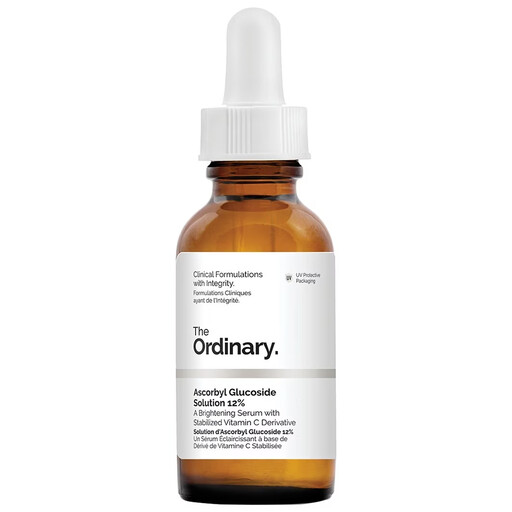
Why it's a match: Ideal for anyone using vitamin C for the first time or who has sensitive skin. The formulation is designed for tolerability and offers a gentle introduction to the world of antioxidants.
It uses Ascorbyl Glucoside, a water-soluble and highly stable vitamin C derivative. This bypasses the oxidation trap and ensures consistent efficacy throughout its use.
The lightweight, watery texture absorbs quickly and integrates seamlessly into any existing skincare routine without feeling sticky.
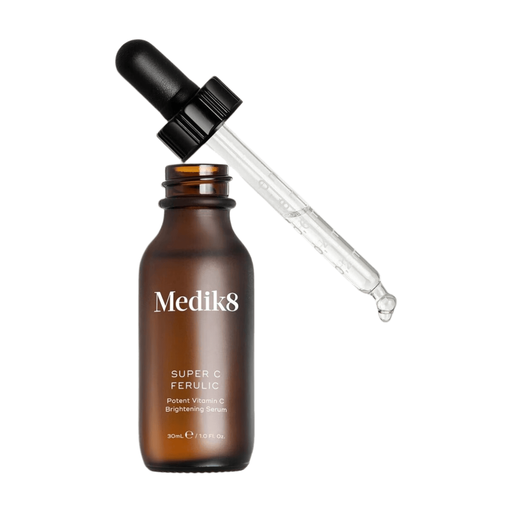
Why it's a match: For skincare connoisseurs who are accustomed to potent active ingredients and are seeking maximum results in combating free radicals and the first signs of ageing.
It resolves the concentration fallacy by combining a very high concentration (30%) of a stable derivative (3-O-Ethyl Ascorbic Acid) with the stabilising partners Ferulic Acid and Vitamin E. This ensures high potency and stability.
The formulation is designed for high antioxidant performance and aims for a visible improvement in skin tone and firmness.
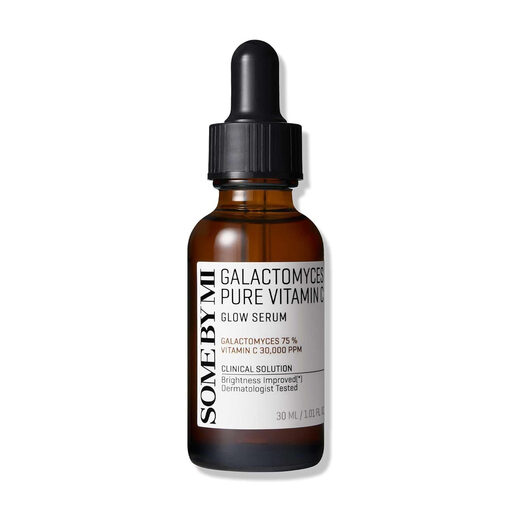
Why it's a match: For users whose primary goal is to use a vitamin C serum for dark spots and an uneven skin tone. The formula relies on a combination of multiple brightening active ingredients.
It doesn't rely on vitamin C alone. By combining 3% pure Ascorbic Acid with 75% Galactomyces Ferment Filtrate and Niacinamide, it takes a multi-pronged approach to brightening and skin refinement.
The formula not only targets brightening but also aims to improve skin texture and refine pores, leading to an overall more even and radiant complexion.
We have compiled a complete, continuously updated list of products that fully meet these strict selection criteria and all relevant safety standards.
The common recommendation is to apply it in the morning. This is because vitamin C's powerful antioxidant properties can help protect your skin from harmful environmental factors like UV radiation and pollution during the day. It is crucial to always finish your routine with a broad-spectrum, high-SPF sunscreen, as vitamin C can make the skin more sensitive to light.
A light, straw-yellow tint can be normal for some formulations. However, a distinct orange or brown colour is a clear sign that the vitamin C has heavily oxidised. In this state, it has lost its beneficial effects and can even potentially cause skin irritation. Such a product should be discarded.
Yes, but with caution. The old belief that vitamin C and niacinamide shouldn't be used together is now considered outdated for modern, stable formulations. The combination can even be beneficial. When using retinol (vitamin A), it is often recommended to separate the application times to minimise the risk of irritation: using vitamin C in the morning and retinol in the evening is a proven method.