
Lieferung heute & morgen

Qualitätsgarantie

Willkommens-Angebote freischalten: KOSTENLOSE Lieferung | Bis zu 80 % RABATT | Kostenlose 30-Tage-JoyPlus-Testphase
App herunterladen
Supermarket shelves are packed and online selections are vast, from classic wafer slices to organic spelt waffles. When you want to buy waffles, the variety can quickly become overwhelming. However, not every product delivers on its packaging's promise. A few common pitfalls can lead to a disappointing purchase—whether it's a supposedly light snack that turns out to be high in sugar, or a product whose texture doesn't meet expectations. This guide will help you navigate the options and make an informed decision based on objective criteria.
Before you make a decision, it's helpful to be aware of three common areas of confusion that often lead to poor choices:
To make the right choice, you should examine three essential aspects. These will help you objectively assess product quality.
The order of ingredients indicates their proportion by weight—what comes first is most abundant. A short, understandable ingredient list often points to a less processed product. If you're specifically looking for waffles with no added sugar, pay attention to the "of which sugars" value in the nutrition table. This indicates how much sugar is naturally present in the ingredients. A high fibre and protein content can also be a sign of a more nutritionally balanced alternative.
The variety of waffles can be broken down into a few basic types, which makes selection easier:
Seals and labels can offer additional guidance. An EU organic seal, for example, guarantees that the agricultural ingredients come from organic farming. Other certifications like the Rainforest Alliance (often found on products containing cocoa) indicate specific social and environmental standards in cultivation. For people with intolerances, the legally required allergen labelling is critically important.
To make your decision easier, we have matched some products to different user profiles.
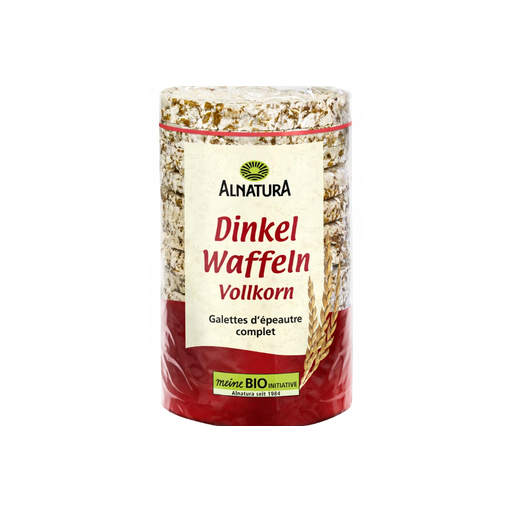
Why it's a good fit: Ideal for those seeking a simple, nutritious snack with no added sugar. These spelt waffles are a versatile base for sweet or savoury toppings and fit a health-conscious lifestyle.
This product bypasses the "health" trap through maximum transparency. The ingredient list consists only of puffed organic whole-grain spelt. The sugar content is very low at 0.8 g per 100 g.
According to the manufacturer, it's a plant-based protein source (20 g per 100 g) and highly versatile.
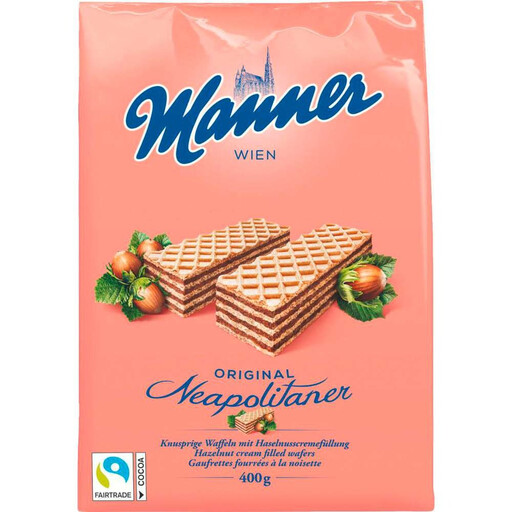
Why it's a good fit: For anyone who appreciates a traditional, sweet treat for their coffee break. The combination of crispy wafers and hazelnut cream is a time-tested classic.
This product is clearly positioned as a confectionery item. It doesn't pretend to be a diet food, thus avoiding false expectations regarding its sugar or fat content.
Consists of five layers of wafers and four layers of hazelnut cream (12% hazelnut content in the cream). The resealable packaging maintains freshness.
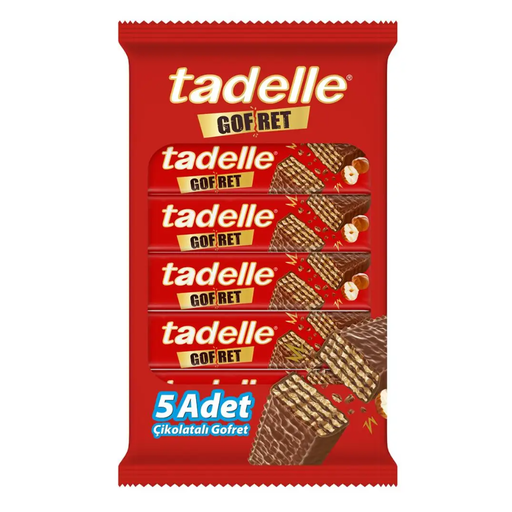
Why it's a good fit: This multipack is ideal for families who need convenient, individually wrapped snacks for lunch boxes or on-the-go.
The individual packaging solves the problem of large, impractical packs. It ensures freshness and facilitates portion control, so the whole pack doesn't have to be consumed at once.
Five individually wrapped, milk chocolate-covered wafer bars. Convenient for sharing and for taking on the go.
We've compiled a complete, up-to-date list of products that fully meet these strict selection criteria and UK regulations.
To maintain their crispness, opened wafers should be stored in an airtight container in a cool, dry place, away from direct sunlight. This prevents them from absorbing moisture and becoming soft.
Wafer slices typically consist of multiple thin wafer sheets with a cream filling in between. Wafer biscuits, on the other hand, usually refer to single-layer, often slightly thicker, crispy biscuits with a waffle pattern, similar to a butter cookie but with the characteristic wafer texture.
Not necessarily. The "no added sugar" claim means that no sugar was added during manufacturing. However, the ingredients themselves (like grains or milk powder) can contain natural sugars. The "of which sugars" value in the nutrition table indicates the total sugar content per 100 g.