
Lieferung heute & morgen

Qualitätsgarantie

Willkommens-Angebote freischalten: KOSTENLOSE Lieferung | Bis zu 80 % RABATT | Kostenlose 30-Tage-JoyPlus-Testphase
App herunterladen
Anyone looking to buy wheat flour online will quickly find numerous packs labelled Type 405, Type 550, wholemeal, pizza flour or atta. However, price alone is only a limited guide when choosing. The intended use, ingredients list, protein content, pack size and storage conditions are what really matter.
The German flour type indicates the flour’s mineral content, not its gluten or protein content directly. Wheat flour Type 405 is light in colour and finely milled, while Type 1050 contains a higher proportion of minerals. The nutritional table is also important for dough structure, as it allows you to compare the protein content per 100 grams.
A higher flour type is therefore not automatically better suited to every loaf or pizza. Type 405 can be a good choice for delicate cakes, while flour for bread and bread rolls often binds more water and requires a stronger dough structure.
Tipo 00 pizza flour refers to a very finely milled Italian flour category. However, the name alone does not indicate how much protein the flour contains or how long the dough is designed to mature. When buying flour for pizza, you should therefore also check the protein content, product description and recipe.
According to the product information, for example, Friesinger Mühle Tipo 00 flour contains 12.0 grams of protein per 100 grams. This provides a useful reference point, but does not replace dough preparation tailored to the recipe.
A 5- or 10-kilogram pack can reduce the price per kilogram, but it is not suitable for every household. Wholemeal flour contains more parts of the grain and can therefore be more sensitive to moisture and prolonged storage. For smaller quantities of baking, a 1-kilogram pack is often more practical, even if the calculated price per kilogram is higher.
For flour for baking with yeast or sourdough, protein content can be a useful comparison value. A higher figure is often associated with a stronger dough structure. However, this does not mean that a higher-protein flour is automatically suitable for cakes or every pizza recipe.
The product data shows different values: according to the stated information, Xinliang Everyday Household Wheat Flour contains 11.0 grams of protein per 100 grams, BAISHA High-Protein Wheat Flour contains 12.5 grams, and Xinliang Whole Wheat Bread Flour contains 13.8 grams. With wholemeal flour, the bran components and water absorption also affect how it is handled.
For pure flour, the ingredients list should be as clear as possible. Information about gluten, possible traces of soya, sesame, lupin or nuts is also relevant. A baking mix should not be equated with pure flour: Vinh Thuan Dumpling Flour, for example, contains wheat flour, tapioca starch, baking powder and instant yeast, and is therefore intended for a different preparation method.
For households, 1-kilogram packs are easy to manage. Frequent users can choose larger quantities, but should store the flour in a dry, cool, odour-free place in an airtight container after opening.
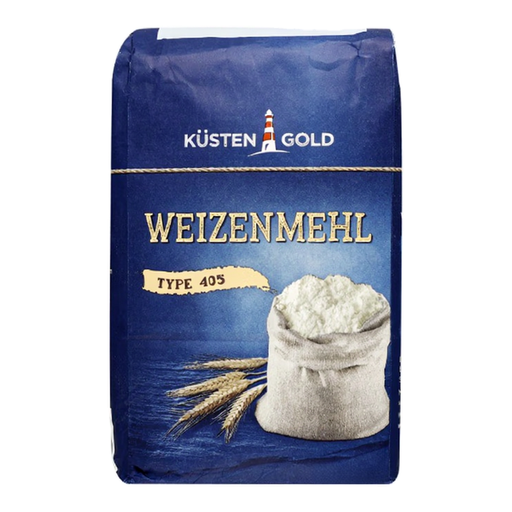
Why this product suits the profile: The 1-kilogram pack is suitable for households looking for a light-coloured all-purpose flour for cakes, pastries and simple doughs.
The Type 405 and the quantity are clearly stated. This makes it easier to compare the product with other 1-kilogram packs.
Type 405; dry, easy-to-store product; according to the product information, intended for various baking and dough applications.
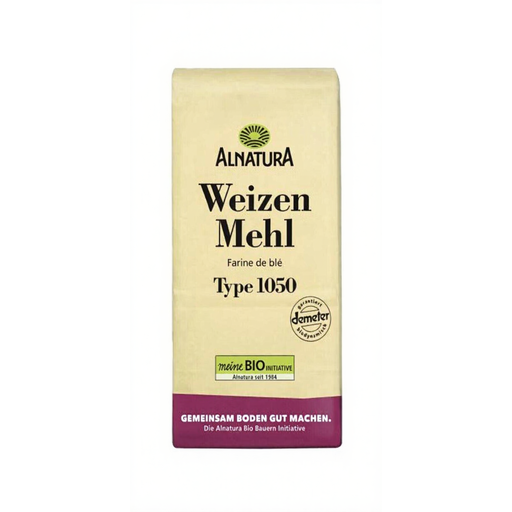
Why this product suits the profile: Suitable for buyers who want to combine certified organic quality with Type 1050 flour for bread, bread rolls and savoury baked goods.
The organic information, type and net quantity can be checked separately in the product details. The product is not described solely through a general quality claim.
Organic wheat flour Type 1050; 1 kg; according to the product data, 12.0 g of protein and 5.2 g of fibre per 100 g.
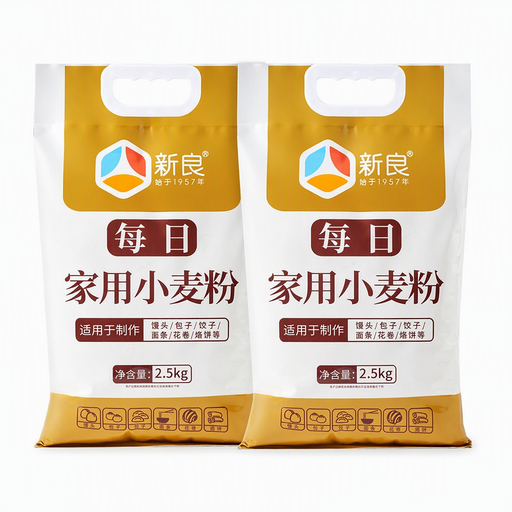
Why this product suits the profile: The total quantity of 5 kg is aimed at frequent users who enjoy Chinese cuisine, for example for noodles, dumplings, baozi, flower rolls and pancakes.
The split packaging, with 2.5 kg per pack, can be easier to handle than a large pack that has already been opened. Ingredients and allergens are stated.
5 kg total quantity; according to the product information, 11.0 g of protein per 100 g; intended for various Chinese dough-based dishes.
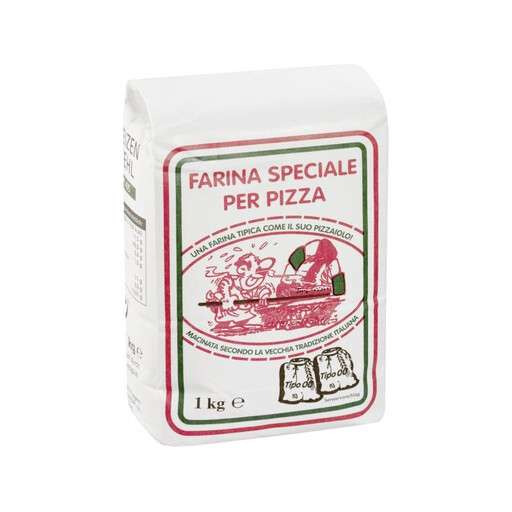
Why this product suits the profile: A manageable 1-kilogram pack for pizza dough when you are specifically looking for finely milled Tipo 00 flour.
The product name explicitly states Tipo 00. The protein content is also given as 12.0 g per 100 g, so the choice is not based on the name alone.
Tipo 00; 1 kg; according to the product information, 12.0 g of protein and 4.0 g of fibre per 100 g.
We have compiled a complete, regularly updated list of products that fully meet these strict selection criteria and the safety regulations applicable in the EU.
Flour should be stored in a dry, cool place away from direct sunlight. After opening, an airtight container that keeps out moisture and foreign odours is recommended. Wholemeal flour may have a shorter shelf life due to its higher proportion of germ components; the specific information on the packaging is decisive.
The following applies to all products: flour and dough are not intended to be eaten raw and must be heated thoroughly. For flour for dumplings and baozi, you should also check whether it is pure flour or a baking mix containing raising agents.
Wheat flour Type 550, special pizza flour or Tipo 00 can all be used for pizza. In addition to the fineness of the milling, the protein content, amount of water, proving time and baking temperature should match the recipe. A high protein content is only a comparison value and is no guarantee of a particular baking result.
Type 405 is often used for delicate baked goods, cakes and biscuits. Type 550 is suitable for many yeast and dough recipes, including bread rolls, pizza and pasta. If you need just one pack for different uses, compare the recipe requirements and the stated protein content.
Shelf life depends on the type of flour, packaging, storage conditions and best-before date. Dry, light-coloured flour is generally easier to store than wholemeal flour. If it develops an unusual smell or shows signs of moisture or pests, the product should no longer be used.