
Lieferung heute & morgen

Qualitätsgarantie

Willkommens-Angebote freischalten: KOSTENLOSE Lieferung | Bis zu 80 % RABATT | Kostenlose 30-Tage-JoyPlus-Testphase
App herunterladen
If you’re looking to buy Whey Protein Powder, you’ll find a huge selection of flavours, pack sizes and formulations. At first glance, many products look similar: whey protein, post-workout protein shakes and high protein values are the main focus. However, differences emerge when you look at the protein source, serving sizes, additives and allergens.
This buying guide helps athletes, fitness enthusiasts and active adults separate marketing claims from verifiable product data.
One product might offer 24 g of protein per serving, while another states 27 g. That alone tells you very little if the serving size is different. So always compare the value per 100 g of powder as well. This makes it easier to compare whey protein, protein powders and blended products.
Preparation also affects the nutritional values: if you mix the powder with milk instead of water, the energy, fat and carbohydrate levels increase because of the milk.
Whey Concentrate typically contains other milk components alongside protein. Whey Isolate is more heavily processed and in many formulations has a higher protein content with comparatively less fat and carbohydrates. A product that blends concentrate, isolate and hydrolysed components could appeal to buyers who want to combine different protein sources.
The term “BCAA protein”, on the other hand, isn’t a separate protein type. BCAAs – branched-chain amino acids – occur naturally in milk protein and therefore in whey too. What really matters is the full ingredients list and the nutritional information table.
Chocolate protein powder, vanilla protein powder or strawberry protein powder can contain sweeteners, flavourings, thickeners and emulsifiers. That isn’t automatically a sign of poor quality, but it should suit your personal tolerance and dietary preferences.
Also look out for allergens such as milk, soya, wheat or egg. If you have known intolerances, the labelling on the individual pack is what counts. A supposedly cheap bulk bag can also be impractical if you don’t use that flavour regularly in your daily routine.
Compare both figures. Among the products considered here, values range from roughly 71 g to 79 g of protein per 100 g. The serving size varies from about 25 g to 32 g of powder, depending on the formulation. A high protein value only makes sense when considered alongside calories, sugar, fat and serving size.
Check whether it’s whey concentrate, whey isolate or a blend. According to the product information, Mammut Nutrition Whey Protein Chocolate contains 89 % Whey Protein Concentrate. Optimum Nutrition Gold Standard 100% Whey combines isolate, concentrate and hydrolysed whey components; it states 24 g of protein per 30 g serving.
Multi-component products, such as a Formula-90 protein powder, may also contain soya, milk and egg protein. That’s a specific formulation approach and shouldn’t be equated with a classic pure whey product.
Small packs are ideal if you want to try a flavour first. Larger containers can be convenient for heavy users, but they need to be stored in a dry, well-sealed place. A scoop or individual sachets make dosing easier.
Follow the manufacturer’s preparation recommendation. Depending on the product, you might mix 25 g of powder with 300 ml of liquid, or 30 g with 180 to 240 ml of water or milk. The recommended daily amount should not be exceeded on your own initiative.
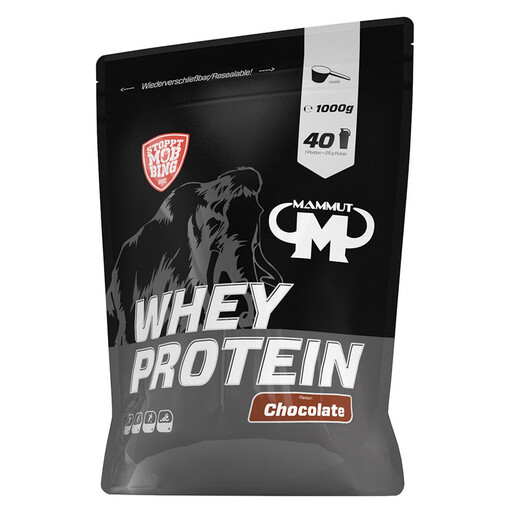
Why this product fits the profile: The 1000 g pack offers a manageable starting point. According to the product information, a 25 g serving provides 27 g of protein when prepared with 300 ml of semi-skimmed milk.
The product data clearly states the protein amount, serving size and ingredients list. This makes it easy to plan the serving with water or milk.
Whey concentrate as the main protein source, scoop included and resealable packaging according to the product description.
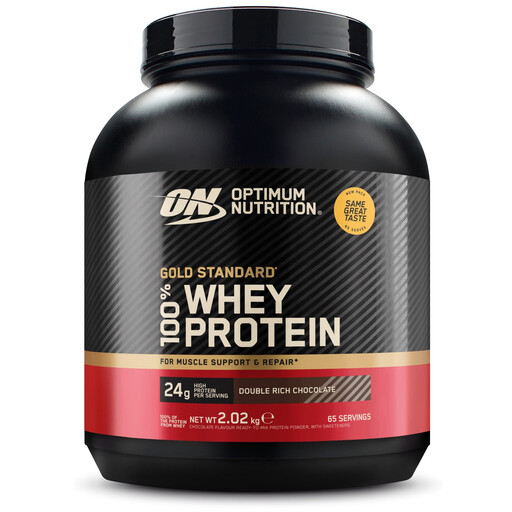
Why this product fits the profile: The formulation combines whey isolate, concentrate and hydrolysed whey components. It states 24 g of protein and 113 kcal per 30 g serving.
The nutritional information shows protein, fat, carbohydrates, sugar and salt per 100 g and per serving. Milk and soya are listed as allergens.
Large container with resealable tub; according to the product information, it’s versatile for shakes, smoothies, porridge and baking recipes.
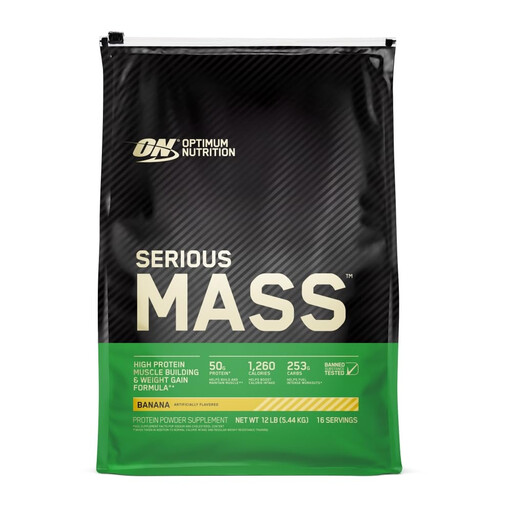
Why this product fits the profile: This product is designed as a mass gainer with a high energy and carbohydrate content. A stated serving of 335 g contains 50 g of protein and 250 g of carbohydrates.
The very large serving size makes it clear that this isn’t an ordinary whey protein. Calories, carbohydrates and creatine are listed separately.
5.45 kg container, 3 g of creatine monohydrate and additional vitamins and minerals according to the product information.
We’ve put together a full, regularly updated list of products that fully meet these strict selection criteria and the safety regulations in force in the EU.
For a classic Whey Protein Shake, mix the powder with water or milk in a shaker. Water gives a lighter preparation, while milk changes the nutritional values and consistency. A post-workout protein shake is one possible use; whey protein can also be used as a supplement to your daily protein intake or in porridge and baking recipes.
Store the powder in a dry, cool place, sealed and protected from direct light. Moisture can affect how well it flows. Once opened, follow the use-by date stated on the packaging. A prepared shake should be drunk promptly and not left unrefrigerated for long periods.
The best-before date and storage instructions on the packaging are what matter. Once opened, the powder should be kept dry and well sealed. Clumping due to moisture, an unusual smell or changes in colour are signs that the product should no longer be used.
No. Whey isolate can be of interest because of its formulation if you want a higher protein content and lower levels of fat and carbohydrates. Whey concentrate is a suitable option for many users. What counts are the nutritional values, ingredients, tolerance and your personal needs.
To work this out, divide the purchase price by the number of stated servings. Then compare the actual amount of powder per serving and the protein content. If you prepare it with milk, you’ll need to factor in the additional cost and nutritional values of the milk.