
Lieferung heute & morgen

Qualitätsgarantie

Willkommens-Angebote freischalten: KOSTENLOSE Lieferung | Bis zu 80 % RABATT | Kostenlose 30-Tage-JoyPlus-Testphase
App herunterladen
Anyone looking to buy whey protein powder will find numerous varieties on the market with similar packaging but different formulations. The right choice depends less on eye-catching advertising claims and more on the specific information provided on the label: protein source, protein content per serving, ingredients, allergens, mixability and price per 100 grams.
Small differences can become significant, particularly if you have a protein shake regularly. A large pack is not automatically the best choice if you do not like the flavour or find it difficult to tolerate. Likewise, a high protein content per serving alone does not say much if the serving size is unusually large.
A product may advertise “24 grams of protein per serving”, while the serving contains 31 or 40 grams of powder. Comparing protein per 100 grams as well as per recommended serving gives a more meaningful picture. This makes it easier to assess whey protein concentrate, whey protein isolate and blends.
Whey protein isolate is filtered more extensively than concentrate and may, depending on the product, contain a higher proportion of protein as well as less fat and carbohydrate. However, this does not mean that every isolate is the right choice for every buyer. The ingredients, allergens, flavour and your personal dietary plan remain decisive factors.
A large pack of whey protein can reduce the price per serving. However, if you are not familiar with a flavour, you can quickly find yourself committed to several kilograms. For a first purchase, a small pack or a flavour box is often a more predictable option. With chocolate whey protein, vanilla whey protein and more unusual varieties, sweetness, mixability and ingredients can differ considerably.
The label should clearly indicate whether the powder consists mainly of whey protein concentrate, whey protein isolate or a combination of the two. Depending on the formulation, concentrate contains more of the milk’s other components. Isolate is often formulated to provide a higher proportion of protein. Blends can combine different characteristics.
As a practical guide:
BCAAs are a component of milk protein. A separate BCAA claim should therefore not be considered in isolation.
For a protein shake after training or between meals, the values per serving are practical. According to the product details, several products in the selection contain approximately 113 to 119 kilocalories per serving. However, the values vary depending on the flavour and serving size.
The wording “per serving” is particularly important: if the powder is mixed with milk rather than water, the energy, sugar and fat content will increase as a result of the drink used. If you want to monitor the nutritional values as accurately as possible, you can use water or an unsweetened plant-based drink.
Powder can behave differently when mixed with water, milk or a plant-based drink. The recommended liquid quantity for the products considered here is usually between 180 and 300 millilitres. A tightly resealable bag or container protects the powder from moisture and makes regular use easier.
The following simple formula is useful for calculating costs:
This shows whether a large pack is genuinely more economical. Your daily consumption should also be taken into account. Protein powder supplements your diet and does not replace a varied, balanced diet.
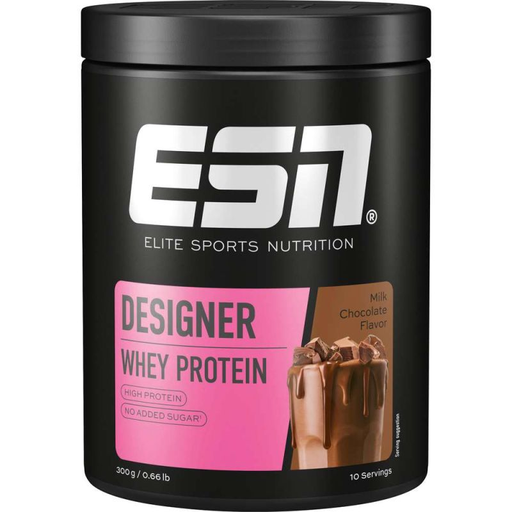
Why this product suits this profile: The 300-g pack is suitable for trying a whey blend made from concentrate and isolate without immediately buying a large quantity. According to the product details, it contains 76 g of protein per 100 g.
The manageable pack size reduces the risk of making a poor purchase when you do not know the flavour. The nutritional values are stated per 100 g, making them easy to compare.
300 g contents, chocolate flavour and can be mixed with water, milk or a plant-based drink.
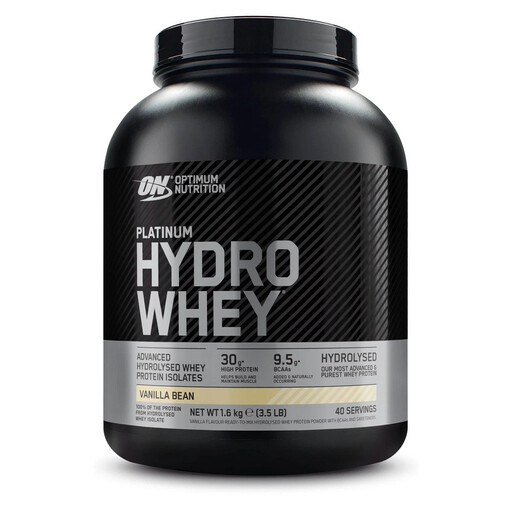
Why this product suits this profile: According to the product details, the formula uses hydrolysed whey protein isolate. A 40-g serving provides 30 g of protein and 8.8 g of BCAAs.
The product description states specific quantities for protein and BCAAs. Buyers can assess the larger pack based on the 40-g servings and the ingredients list.
30 g of protein per 40 g serving, vanilla flavour and 1,600 g net quantity.
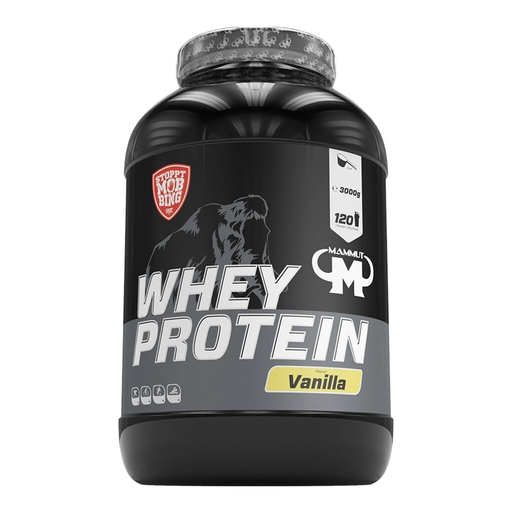
Why this product suits this profile: The large tub is designed for regular use. According to the product details, this whey protein concentrate contains 71 g of protein per 100 g and is portioned at 25 g of powder.
The pack only makes sense if the vanilla flavour and concentrate formula suit your daily routine. The stated serving size makes it easier to plan your consumption.
3,000 g contents, measuring scoop and, according to the product details, naturally occurring BCAA components from the whey.
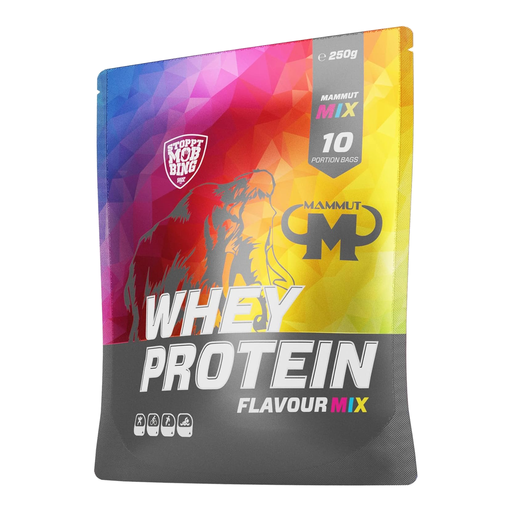
Why this product suits this profile: The box contains ten individual portions in different flavours. It is ideal for comparing chocolate, vanilla and fruit varieties.
Individual sachets avoid committing you to a large pack with just one flavour. The ingredients may vary between varieties and should be checked each time.
10 x 25 g portions, several varieties and, according to the product details, 27 g of protein per serving.
We have put together a complete, regularly updated list of products that fully meet these strict selection criteria and the safety regulations applicable in the EU.
For a classic protein shake, mix the recommended amount of powder with cold water or milk in a shaker. The amount of liquid affects the consistency and sweetness. A shake should be consumed soon after preparation and not stored at room temperature for an extended period.
The powder will remain usable for longer if stored somewhere dry and cool, away from direct sunlight. Reseal the bag or tub tightly after every use. The best-before date and the information on the relevant packaging are the authoritative sources.
The manufacturers’ recommendations for the products considered here are usually between 25 and 40 grams of powder. The right amount depends on your individual diet and daily protein requirement. The recommended daily dose should not be exceeded.
There is no universal answer. Isolate often has a higher protein content, while concentrate may contain more milk components depending on the formulation. Nutritional values, ingredients, allergens, flavour and price per serving are the key considerations.
When unopened, the best-before date on the packaging applies. Once opened, the powder should be stored somewhere dry and cool, with the packaging sealed. Moisture can affect its consistency and usability. Do not continue using the product if it develops an unusual smell or taste, or if you notice visible changes.