
Lieferung heute & morgen

Qualitätsgarantie

Willkommens-Angebote freischalten: KOSTENLOSE Lieferung | Bis zu 80 % RABATT | Kostenlose 30-Tage-JoyPlus-Testphase
App herunterladen
Whey protein powder can be a practical way to supplement your daily protein intake. However, protein powders vary considerably in protein content, calories, ingredients, serving size and cost per serving. If you focus only on terms such as “high protein”, “fast absorption” or large packaging, you can easily end up buying a product that does not suit your nutritional goals.
A statement such as “24 g protein per serving” may initially sound clear. However, the size of that serving is crucial. Comparing products per 100 g of powder makes it easier to assess them fairly. You should also check whether the nutritional values refer to the powder itself or to a protein shake prepared with milk.
Milk increases the calorie, carbohydrate and protein content. For a low-calorie preparation, water provides the more neutral basis for comparison.
Whey protein isolate usually contains a higher proportion of protein and fewer additional components than whey protein concentrate. However, the price per kilogram may be higher. For many athletes and active adults, concentrate is perfectly adequate, provided it is well tolerated.
If you are sensitive to lactose, simply looking for the term “whey” is not enough. The ingredients list and nutrition table remain the key sources of information. If you have a milk or soya allergy, the relevant allergen information is particularly important.
Whey powder mainly provides additional protein with a comparatively moderate calorie content. A weight gainer, on the other hand, contains large amounts of carbohydrates and calories. This can be useful for people with high energy requirements, but is often unsuitable for a calorie-conscious diet.
Example: According to the product information, Optimum Nutrition Serious Mass provides approximately 1,250 to 1,268 kcal, around 250 to 256 g of carbohydrates and 50 g of protein per large serving, depending on the variant. A full serving can therefore contain considerably more calories than a classic protein shake.
Compare:
A multi-component product may combine different protein sources. This is not automatically better or worse; it should suit the intended purpose. If you are looking for a straightforward whey protein for your daily shake, you may prefer a short ingredients list.
For a low-carb protein powder, the carbohydrate and sugar content per serving are important comparison points. These figures should be considered alongside your intended preparation method. Water does not change the powder’s nutritional values, whereas milk adds extra energy and lactose.
When building muscle, it is not just the protein content that matters. If you specifically want to gain weight, you may need more total calories. A weight gainer should therefore only be chosen if its high calorie content fits into your daily plan.
In Germany and the EU, allergens must be highlighted in the ingredients list. For whey products, milk and often soya are particularly relevant. Depending on the recipe, products may also contain egg, wheat, barley, peanuts or nuts.
You should also check:
Product information may vary depending on the flavour. The labelling on the specific item ordered is therefore always decisive.
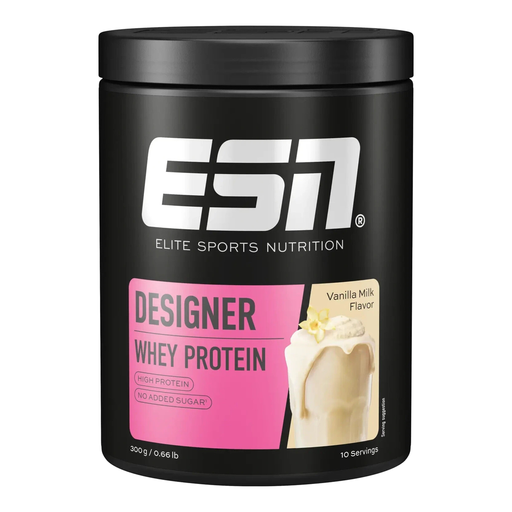
Why this product suits the profile: The 300 g pack is ideal for trying a flavour without immediately buying a large supply. According to the product information, a 30 g serving provides 28.2 g of whey protein blend and can be prepared with water or low-fat milk.
The smaller pack size reduces the risk of having to store an unsuitable flavour or poorly tolerated product for months.
Whey concentrate and isolate, a 30 g serving and, according to the product description, less than 1 g of sugar per serving.
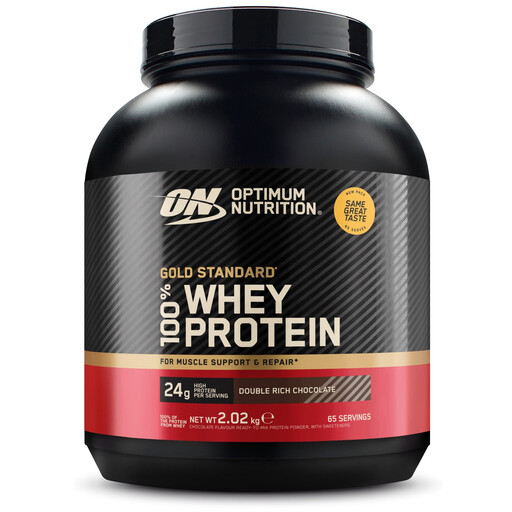
Why this product suits the profile: The large pack is designed for regular use. According to the product information, a 30 g serving contains 24 g of protein and 113 kcal. The powder can be used in water, milk, smoothies or recipes.
The nutritional values per 100 g and per serving make it easier to compare with other powders. The ingredients list specifies isolate, concentrate and hydrolysed whey.
24 g of protein per serving, a 2,020 g pack size and, according to the product information, 1.5 g of sugar per serving.
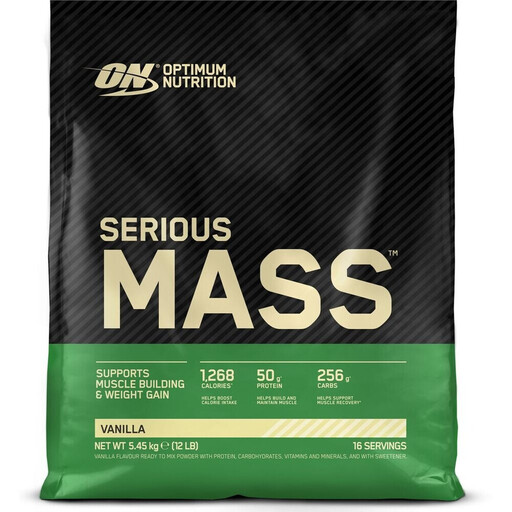
Why this product suits the profile: This product is aimed at adults who want to add plenty of calories and carbohydrates alongside their protein intake. According to the product data, one serving contains 50 g of protein and 1,268 kcal.
The clear calorie and carbohydrate information prevents a weight gainer from being used accidentally like a low-calorie whey product.
5,450 g contents, 50 g of protein per serving and, according to the product information, added creatine monohydrate as well as vitamins and minerals.
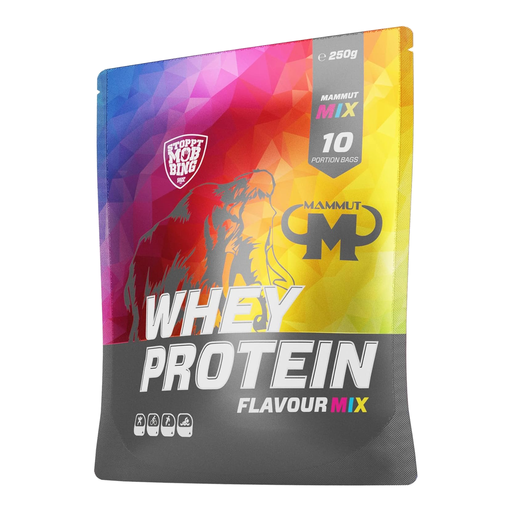
Why this product suits the profile: The individual sachets are ideal for taking with you, using at the office or trying different flavours before buying a larger pack. According to the product description, one serving provides 27 g of protein.
Ten individually packaged flavour portions reduce the risk of buying a large pack containing only one flavour that you may not enjoy.
10 × 25 g, several flavours and whey concentrate as the main protein source.
We have put together a complete, regularly updated list of products that fully meet these strict selection criteria and the safety regulations applicable in the EU.
For a classic shake, most products require 25 to 32 g of powder mixed with approximately 180 to 300 ml of water or milk. The specific dosage stated on the label takes priority. Protein after training is convenient, but is not necessarily tied to a narrow time window. Your overall daily diet is what matters most.
Calculate the actual cost per serving:
Store whey protein powder in a dry, cool place, tightly sealed and protected from direct light. A prepared protein shake should be consumed promptly and should not be left unrefrigerated for an extended period.
When unopened, the best-before date on the packaging applies. Once opened, follow the manufacturer’s instructions. Moisture, heat and leaving the container open can affect the product’s quality. If you notice an unusual smell or taste, or visible changes, the product should not be used further.
An isolate may offer a high protein content and comparatively low levels of carbohydrates. The nutrition table for the specific flavour will show whether it fits into your personal diet plan. Sweeteners, the liquid used for preparation and the serving size should also be taken into account.
That depends on what you are comparing. Whey protein provides more protein per calorie, whereas a weight gainer also contains large amounts of carbohydrates and energy. Do not compare the pack price alone; consider the price per serving, protein content and calorie content.