
Lieferung heute & morgen

Qualitätsgarantie

Willkommens-Angebote freischalten: KOSTENLOSE Lieferung | Bis zu 80 % RABATT | Kostenlose 30-Tage-JoyPlus-Testphase
App herunterladen
Anyone looking to buy whey protein will find a wide range of flavours, pack sizes and protein blends in German online shops. At first glance, many products appear similar. However, differences become clear when you look at protein content, ingredients, serving definitions, mixability and price per serving.
These points can determine whether a protein shake becomes a lasting part of your daily routine or ends up unused in the kitchen cupboard after just a few uses. The Joybuy Product Recommendation Officer selection helps you distinguish advertising claims from verifiable product data.
A statement such as “24 or 27 g of protein per serving” may initially sound clear. However, it is important to check how large that serving is and whether it was calculated with water or milk. Milk increases the protein and calorie content of the prepared shake, but it is not part of the whey protein powder itself.
For this reason, compare the values per 100 g of powder first, followed by the price per actual serving.
A 2 or 3 kg container can make sense if you use it regularly. However, if you are not yet familiar with a flavour, you may tie up money and storage space unnecessarily. You should also check the best-before date and the recommended period of use after opening.
For beginners, a smaller pack of protein powder is often more practical. Frequent users, on the other hand, can check the price per 100 g and the number of servings.
Whey naturally contains branched-chain amino acids, known as BCAAs, including leucine, isoleucine and valine. An additional BCAA supplement is therefore not automatically necessary. More important are the actual protein content, the protein source and how well you tolerate the other ingredients.
Also look out for sweeteners, flavourings, emulsifiers and allergens. Milk is a key point to check with whey products. Some recipes may also contain soya.
A whey concentrate is often made up predominantly of whey protein concentrate. Depending on the recipe, products containing whey protein isolate may have a different nutritional profile and ingredient composition. The term “whey” alone therefore does not tell you enough about the product.
The following provide a practical basis for comparison:
For example, Optimum Nutrition Gold Standard 100% Whey lists 79 g of protein per 100 g and 23.7 g per 30 g serving. Mammut Nutrition Whey Protein lists 27 g of protein per 25 g serving when prepared with 300 ml of semi-skimmed milk. These figures cannot be compared directly because they are based on different calculations.
For a quick protein shake, nutritional value is not the only consideration. Check how much liquid the powder should be mixed with and whether water or milk is recommended. A scoop makes portioning easier, but it does not replace kitchen scales if you want to measure as accurately as possible.
Using a shaker with enough liquid, shaking vigorously and drinking the shake soon afterwards can help reduce lumps. The prepared mixture should not be kept unrefrigerated for an extended period.
Chocolate whey protein and vanilla whey protein are among the most common varieties. Chocolate often works well in shakes, porridge or baking recipes, while vanilla can be combined more neutrally with fruit or yoghurt. Taste is ultimately a matter of personal preference.
Compare the ingredients list: some products contain sucralose and acesulfame K, while others also include soya lecithin or thickeners. If you have any intolerances, the information on the relevant packaging is decisive.
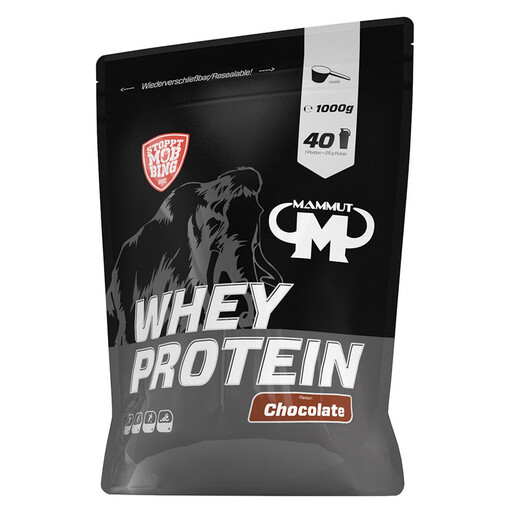
Why this product suits this profile: The 1000 g pack offers a manageable introduction to chocolate whey protein without committing to a larger pack straight away. According to the product information, one serving provides 27 g of protein when prepared with milk.
The pack size limits the risk of buying a flavour that does not suit you in a large quantity. The ingredients and serving information are clearly stated.
1000 g contents, chocolate flavour, scoop and, according to the product description, suitable for mixing with water or milk.
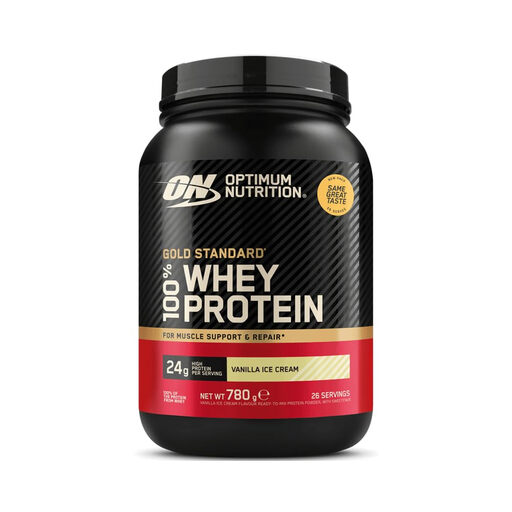
Why this product suits this profile: The product data lists 79 g of protein per 100 g, 23.7 g per 30 g serving and 113 kcal per serving. According to the information provided, the recipe is based on whey protein isolate.
The nutritional information per 100 g and per serving makes comparisons easier. The packaging identifies milk as an allergen.
Vanilla flavour, 780 g pack, 30 g serving and, according to the product information, easy preparation with water or milk.
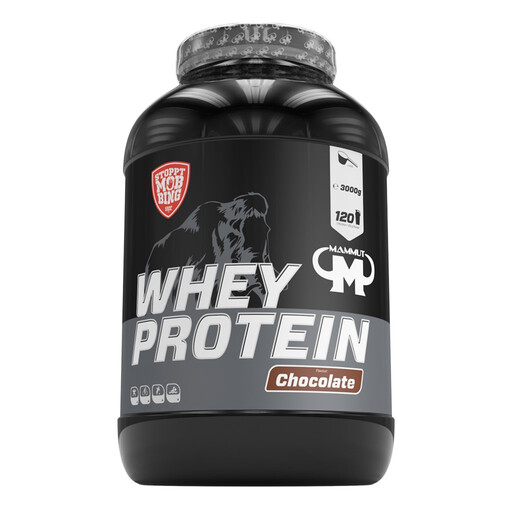
Why this product suits this profile: The 3 kg pack is aimed at people who regularly include a protein shake in their routine and prefer to buy a larger supply.
The stated 120 servings make it easier to plan your supply. You should already be familiar with the flavour before buying.
3 kg contents, 120 servings according to the product information, chocolate flavour and scoop.
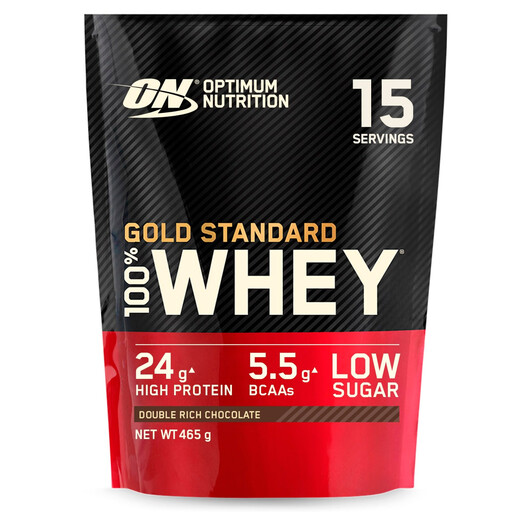
Why this product suits this profile: The smaller 450 g pack is ideal for trying a chocolate flavour or for people with lower monthly consumption.
The smaller supply reduces the risk of having to store a product that does not suit you for months. The ingredients list names milk and soya.
450 g contents, 31 g serving according to the product information, whey isolate, concentrate and hydrolysed whey in the blend.
We have put together a complete, regularly updated list of products that fully meet these strict selection criteria and the safety regulations applicable in the EU.
The serving stated on the packaging should not automatically be treated as a mandatory daily amount. Individual protein requirements depend, among other things, on diet, body weight, activity level and training goals. Protein for muscle building and muscle maintenance should preferably form part of a varied diet.
A shake after training can be a practical way to supplement your daily protein intake. However, it is not a substitute for a balanced diet. Store whey protein powder in a dry, sealed place away from direct light. If you have a milk allergy, an existing medical condition, take medication, are pregnant or breastfeeding, seek medical advice before use.
A typical serving is around 25 to 30 g of powder mixed with 180 to 300 ml of water or milk. The exact amount depends on the product information. Add the liquid to the shaker first, then add the powder and shake vigorously.
The best-before date, packaging instructions and storage conditions are the key factors. After opening, keep the container dry and tightly sealed. Some product information recommends using the product within three to four months. Always follow the guidance provided for the specific product.
Whey can be useful if it is difficult to reach your desired protein intake through regular meals or if you need a quick snack. The key considerations are your individual requirements, how well you tolerate the ingredients and the price per serving. If you already get enough protein from your diet, you do not automatically need protein powder.