
Lieferung heute & morgen

Qualitätsgarantie

Willkommens-Angebote freischalten: KOSTENLOSE Lieferung | Bis zu 80 % RABATT | Kostenlose 30-Tage-JoyPlus-Testphase
App herunterladen
If you want to buy whisky online, you’ll quickly find a wide selection of Scotch whisky, bourbon, Tennessee whiskey, Irish whiskey and rye whiskey. Product pages vary in the information they give about origin, cask ageing, alcohol content, bottle size and presentation. A high price or eye-catching packaging alone tells you little about whether a bottling will suit your taste and how you plan to use it.
This buying guide explains which details really matter and how to avoid common marketing pitfalls.
An age statement tells you how long the youngest whisky in the bottle has been aged in casks. It doesn’t guarantee a particular flavour, though. A 10-year-old whisky, 12-year-old whisky, 15-year-old whisky or 18-year-old whisky can taste very different depending on the cask type, distillery, region and production methods.
A bottle of blended Scotch whisky may contain several malt and grain whiskies. By contrast, single malt whisky comes from one distillery and is made from malted barley. These two categories offer different styles, so it’s best not to compare them on age alone.
Terms such as “mild”, “intense”, “rich” or “complex” are subjective descriptions. Specific details about the aromas and production methods are more useful, such as peat smoke, vanilla, fruit, spices, sherry cask, bourbon cask or oak notes.
If you prefer smoky bottlings, the stated origin and tasting notes can help guide your choice. An Islay single malt such as Ardbeg is often described as having bold smoke and peat notes, while many Speyside whiskies have fruitier, maltier profiles.
The standard bottle size is often 0.7 l, but miniature bottles of 0.05 l can be more practical for a whisky gift, a tasting or a trip. For cocktails and long drinks, it’s also worth checking whether a whisky has 40 per cent alcohol by volume or a higher ABV. Always check the exact figure on the product page and label.
The spelling “whisky” is generally used for Scottish and many international products, while American and Irish products are often labelled “whiskey”.
40 per cent ABV is common for many standard bottlings. Some products are higher, such as Ardbeg 10 Year Old at 46 per cent ABV. A higher alcohol content affects the intensity, and you can add a little water if you wish. It’s a matter of personal preference, not a general measure of quality.
Information about sugar content, colourings or chill filtration may also be relevant to your decision. Some products, for example, list caramel colouring as being used to adjust the colour. If you have a sensitivity, check the manufacturer’s information for allergens and the labelling of cereals containing gluten. Alcoholic drinks are intended for adults only.
The type of cask affects both colour and flavour. American oak and bourbon casks can contribute vanilla and caramel notes, while sherry casks often add fruity, spicy or nutty flavours. Further ageing in specialist casks, such as Cognac casks, can add another dimension to the profile.
For cocktails, a whisky with a clear flavour profile and plenty of aroma often works well. If you mainly plan to drink it neat, pay closer attention to the cask type, level of smokiness, alcohol content and the described finish.
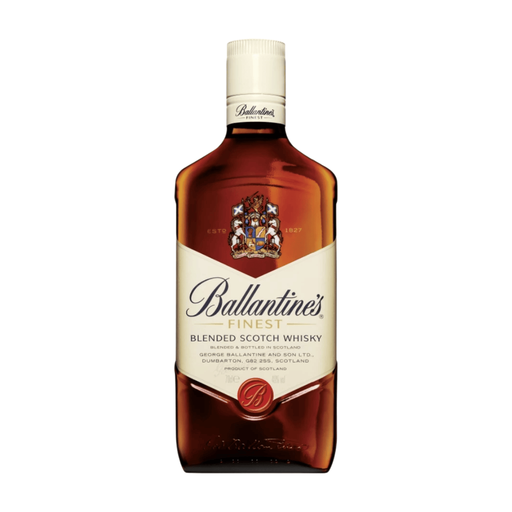
Why it suits this profile: The 0.7-litre bottle and 40 per cent ABV meet common requirements for beginners and simple mixed drinks.
The product details clearly state the category, alcohol content, volume and flavour profile. This makes it easier to match your choice to how you’ll use it.
Blended Scotch whisky with notes of vanilla, toffee, oak and spices; 0.7 l bottle and 40 per cent ABV.
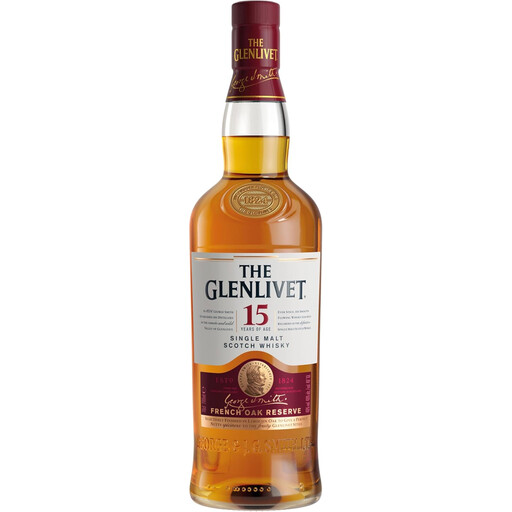
Why it suits this profile: This bottling is aimed at whisky lovers looking for a specific age statement, a single distillery and a fruity, spicy profile.
The product description pairs the age statement with cask details and specific tasting notes, rather than relying on a vague claim about quality.
Single malt from Speyside, with a stated age of 15 years, a 0.7 l bottle and 40 per cent ABV; described as having fruity and spicy notes.
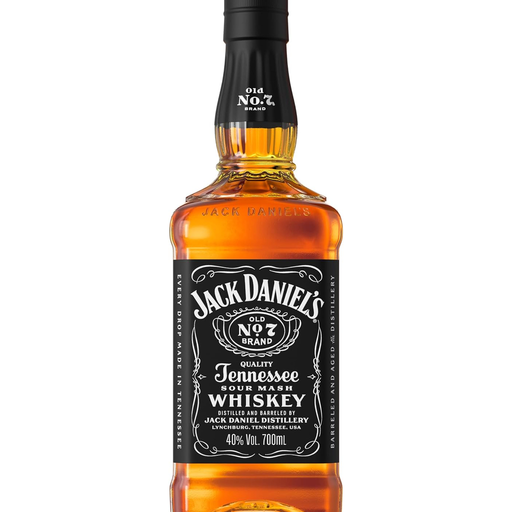
Why it suits this profile: The 0.7-litre bottle with 40 per cent ABV is made for classic long drinks and cocktails, making it a good fit for regular use behind the bar.
The product page lists the origin, grain composition, alcohol content and bottle volume. This means you can choose based on more than brand recognition alone.
Tennessee whiskey from the USA, filtered through maple charcoal according to the product description; suitable for cocktails and long drinks.
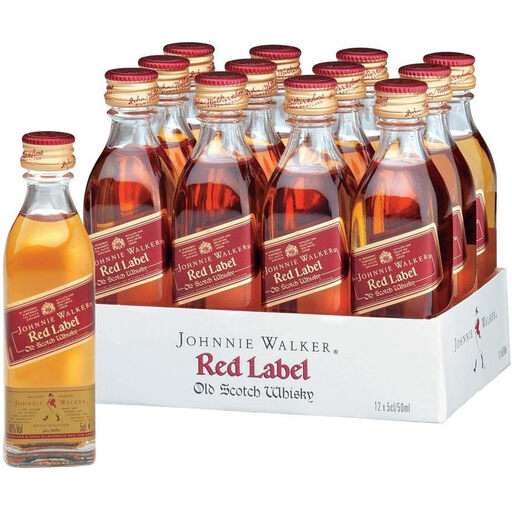
Why it suits this profile: Twelve miniature bottles, each containing 0.05 l, are ideal for small gift sets, tastings or a flexible home bar.
The individual portions reduce the risk of buying a large bottle for a one-off occasion. The quantity and alcohol content are clearly stated.
Blended Scotch whisky at 40 per cent ABV; shatterproof PET miniature bottles according to the product information.
We’ve put together a complete, regularly updated list of products that meet these strict selection criteria and fully comply with the safety regulations in force in the EU.
Once opened, a whisky bottle should be kept upright, somewhere cool and away from direct sunlight. The closure should be tightly sealed. Unlike wine, whisky doesn’t need to be stored on its side, as high-strength alcohol can affect the cork over time.
Whisky is usually served neat, with a few drops of water or over ice. Blended Scotch whisky, bourbon and Tennessee whiskey can also work well as a whisky for cocktails. When choosing a whisky gift, consider the bottle size, packaging and occasion as well as the flavour.
A mild, fruity single malt whisky or a well-balanced blended Scotch whisky can be an accessible place to start. Look for specific details about the aroma, alcohol content and cask ageing. An age statement alone isn’t enough to make an informed choice.
Unopened whisky has a long shelf life when stored properly. Once opened, the air in the bottle can gradually change its aroma. Keep the bottle tightly sealed, upright and in a dark place, and aim to enjoy it within a reasonable timeframe.
The price depends on factors including the category, age, cask maturation, alcohol content, origin and availability. A 0.7 l whisky without an age statement may cost less than a specially selected, long-aged bottling. For a fair comparison, always consider the bottle volume, alcohol content and product details together.