
Lieferung heute & morgen

Qualitätsgarantie

Willkommens-Angebote freischalten: KOSTENLOSE Lieferung | Bis zu 80 % RABATT | Kostenlose 30-Tage-JoyPlus-Testphase
App herunterladen
The online whisky market is vast and can quickly become overwhelming. From well-known brands to niche bottlings, the selection seems endless. But this diversity also has its pitfalls. Many buyers invest in a bottle that ultimately fails to meet their expectations, often because they fall for common marketing myths or unclear product descriptions.
This guide will help you understand the key criteria for making an informed choice. We'll highlight two of the most common mistakes that lead to disappointment:
To find the right whisky, let objective characteristics—not marketing promises—guide you. Pay attention to the following three points before you buy.
The production method and raw ingredients define a whisky's fundamental character. The main categories are:
A whisky's aromas are crucial to its enjoyment. They can be roughly divided into the following categories:
Two technical details that have a major impact on the drinking experience:
Based on the criteria above, we have selected a few products suited for different preferences and occasions.
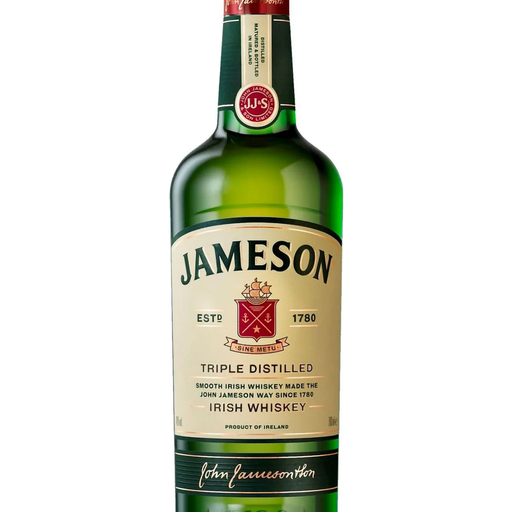
Why This Fits Their Persona: Thanks to its triple distillation, this Irish Whiskey is exceptionally smooth and approachable. It's excellent neat, on the rocks, or as a base for simple mixed drinks like a Jameson, Ginger & Lime. Ideal as an introduction to the world of whisky or as a reliable everyday dram.
It avoids the "Style Trap" by offering a balanced, mild profile that won't overwhelm the palate with intense smoke or heavy spice. This ensures a safe and enjoyable first experience.
Harmonious notes of vanilla, nut, and a hint of sherry. Highly versatile for sipping neat and for mixed drinks.
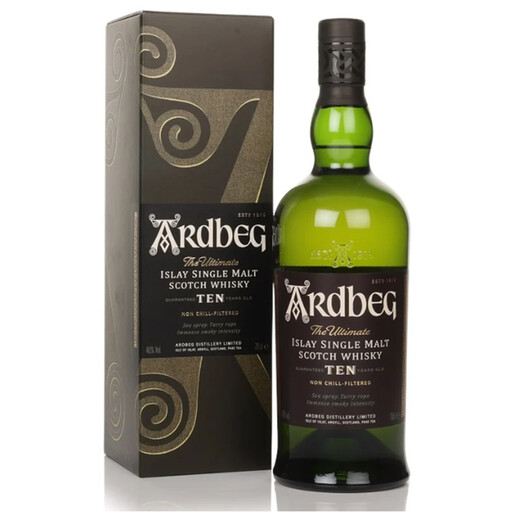
Why This Fits Their Persona: For enthusiasts specifically seeking a characterful, peaty Islay Single Malt. This whisky offers a complex blend of smoke, sweetness, and maritime notes that challenges and rewards a sophisticated palate.
This product delivers exactly what its description promises: an intensely smoky whisky. It avoids the disappointment of buying a bottle advertised as "smoky" only to find it too mild.
Non-chill filtered and bottled at 46% ABV for a full mouthfeel. Complex aromas of peat smoke, toffee, citrus, and espresso.
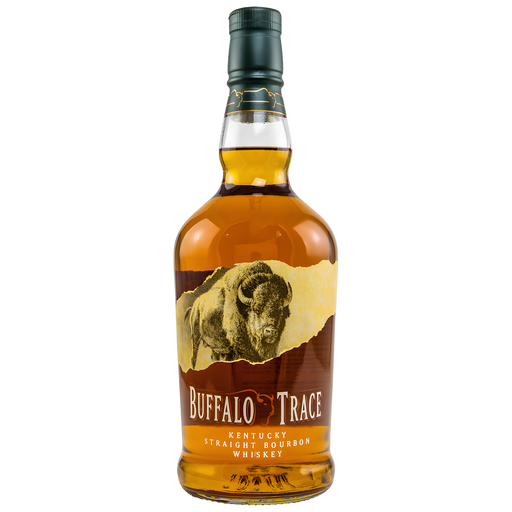
Why This Fits Their Persona: A prime example of a Kentucky Straight Bourbon. Its balanced sweetness and spice make it an excellent base for classic whisky for cocktails like the Old Fashioned, but it also shines neat or on the rocks with its well-rounded character.
It bypasses the fallacy that only expensive or heavily advertised bourbons are good. Buffalo Trace offers consistently high quality and an authentic taste at a fair price point.
Rich aromas of vanilla, mint, and molasses. A long, smooth finish with notes of brown sugar and spice.
We have compiled a complete, up-to-date list of products that meet these strict selection criteria.
A Single Malt Whisky comes from a single distillery and is made exclusively from malted barley. It often reflects the unique character of that one distillery. A Blended Whisky is a mixture (blend) of one or more Single Malts and Grain Whiskies (made from other grains like wheat or corn). Blends are designed to achieve a consistent and often more approachable flavour profile.
An opened bottle of whisky should be stored upright in a cool, dark place. Unlike wine, the bottle should not be stored on its side, as the high alcohol content can damage the cork and affect the taste. Direct sunlight and significant temperature fluctuations should be avoided. A well-sealed bottle can last for several years, although the aroma may change slightly over time due to contact with oxygen in the bottle.
For a whisky gift for a novice, a mild and balanced whisky is recommended. A classic Irish Whiskey like Jameson or Tullamore D.E.W. is a safe bet. A smooth Speyside Scotch Whisky like Glenfiddich 12 or an approachable Blended Whisky like Chivas Regal 12 are also excellent choices. These whiskies won't overwhelm the palate and offer a pleasant introduction to the diversity of flavours.