
Lieferung heute & morgen

Qualitätsgarantie

Willkommens-Angebote freischalten: KOSTENLOSE Lieferung | Bis zu 80 % RABATT | Kostenlose 30-Tage-JoyPlus-Testphase
App herunterladen
If you want to buy whisky online, you’ll quickly find a wide selection from Scotland, Ireland and the USA. However, product pages vary in the details they provide about origin, production, cask ageing, alcohol content and bottle size. A high price or eye-catching packaging alone tells you little about whether a whisky will suit your taste and the occasion.
A longer maturation period can encourage certain flavours to develop, but it isn’t a universal measure of quality. A well-aged single malt Scotch whisky can taste fruity and smooth, while a younger whisky may be much more intense thanks to peat, cask selection or a higher alcohol content. What matters is the combination of whisky type, cask ageing and flavour profile.
Weighty gift boxes, limited-edition packaging and terms such as ‘Reserve’ can shape your first impression. For an informed choice, look for verifiable details: region of origin, cask type, age, alcohol content, bottle volume and ingredient information. Decorative packaging is no substitute for product details.
Many standard bottlings are sold as whisky 0.7 l and whisky 40 % vol. Some products are stronger, such as Ardbeg 10 at 46 % vol. This can make the whisky taste more robust, but it won’t necessarily suit every occasion. A different bottle size may also be more suitable for cocktails, long drinks or a whisky gift. For miniatures, check whether you’re buying individual bottles or a set.
The type of cask influences flavours such as vanilla, caramel, dried fruit and spices. Sherry, bourbon, cognac and French oak casks each bring out different characteristics. So don’t just look for the word ‘aged’: check the specific cask details and read the tasting notes.
These simple pointers can help you choose:
As well as checking the alcohol content, look at the type of closure and any storage advice. The bottles listed here are described as having screw caps. Whisky should be stored upright, somewhere cool and dry, and away from direct sunlight. Once opened, seal the bottle tightly to minimise the amount of air inside.
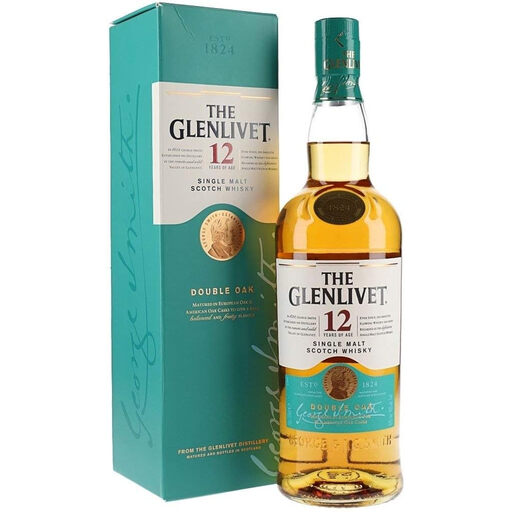
Why this product suits this profile: The mild, fruity profile described, with notes of peach, pear and pineapple, makes this an approachable single malt for anyone new to whisky.
The product details clearly state the bottle size, alcohol content, flavour profile and storage advice, rather than relying on packaging to sell it.
0,7 l bottle, 40 % vol. and a fruity, smooth profile with Double Oak maturation, according to the product description.
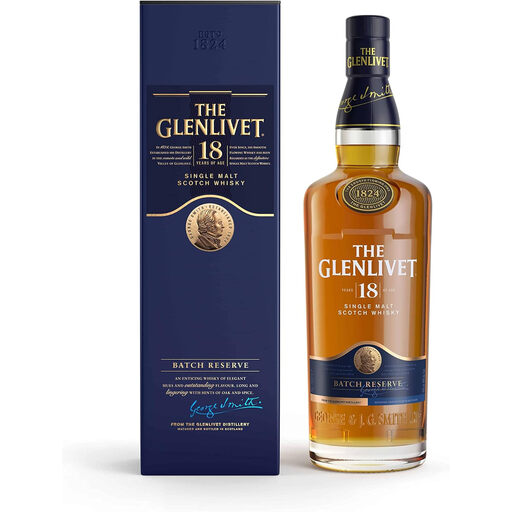
Why this product suits this profile: Its stated maturation period and complex profile of oak, ripe pear, vanilla, malt and a hint of smoke will appeal to buyers looking for layers of flavour.
The choice is based on specific details about maturation, bottle volume and flavour profile, not just the term ‘premium whisky’.
0,7 l bottle, 40 % vol. and, according to the product description, a long finish with notes of vanilla and ginger.
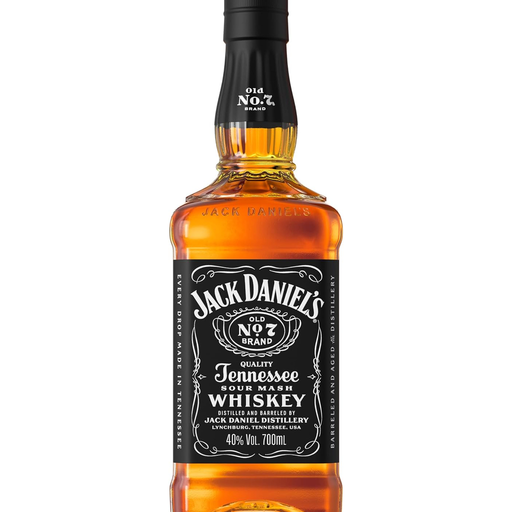
Why this product suits this profile: The 0,7-l bottle at 40 % vol. is described as suitable for long drinks and cocktails, making it a good choice for regular home bar use.
The product page lists the alcohol content, ingredients, origin, volume and storage conditions. This makes it easy to assess whether it’s suitable for mixed drinks.
Tennessee whiskey, 40 % vol., 0,7 l and, according to the description, a production process that filters the whiskey through maple charcoal.
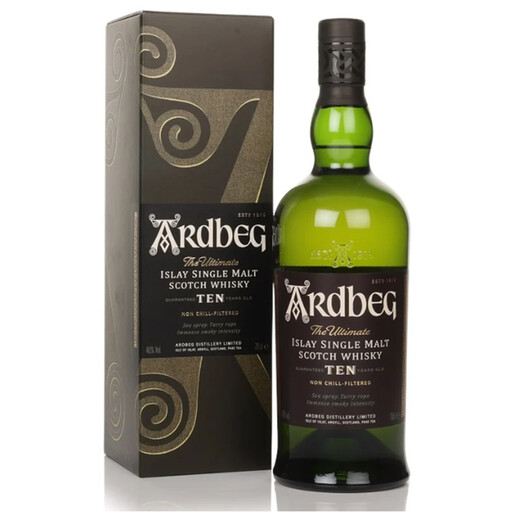
Why this product suits this profile: The product details describe a full-bodied, smoky profile with peat, citrus, toffee, chocolate and espresso notes.
The details make the whisky’s intensity clear, with information such as 46 % vol., ‘smoky’ and ‘non-chill-filtered’.
0,7 l, 46 % vol., Islay single malt Scotch whisky and maturation in former bourbon casks, according to the product description.
We’ve put together a complete, regularly updated list of products that meet these strict selection criteria and the safety regulations in force in the EU.
For a smoother blended Scotch profile, consider Chivas Regal XV, which has a stated minimum maturation period and a cognac cask finish. According to its product description, Jameson Black Barrel combines Irish pot still and grain whiskey, with notes of vanilla, toffee and oak. For spicy flavours, High West Rendezvous Rye offers notes of cinnamon, mint, fennel, caramel and dried fruit. Miniature sets such as Jack Daniel’s Old No. 7 10x0,05 l can also make a practical whisky gift, provided the individual bottle size and intended use are right.
A fruity, smooth profile such as Glenlivet 12 can be an approachable introduction. If you prefer smoke and peat, look instead for an Islay bottling such as Ardbeg 10. Your personal taste matters more than any general ranking.
Keep the bottle upright in a cool, dry place away from light. Seal it tightly again after pouring. The products mentioned do not need to be refrigerated.
Many classic cocktails and long drinks use whisky at 40 % vol. This figure indicates the alcohol content, not the intensity of the flavour. For bolder flavours, a higher-strength bottling such as Ardbeg 10 may be an alternative. Alcohol is intended for adults aged 18 and over only.