
Lieferung heute & morgen

Qualitätsgarantie

Willkommens-Angebote freischalten: KOSTENLOSE Lieferung | Bis zu 80 % RABATT | Kostenlose 30-Tage-JoyPlus-Testphase
App herunterladen
If you're looking to buy whisky online, you'll find a vast selection of Scotch, Irish whiskey, Bourbon and international spirits. Product pages often list the origin, alcohol content and bottle size. Even so, important differences can easily be overlooked. Three common pitfalls in particular can lead to buying a bottle that doesn't suit your intended occasion.
1. Confusing age statement with a quality guarantee
A long maturation period simply tells you how long the whisky was aged. It doesn't automatically mean the flavour profile matches your personal preferences. A peaty Scotch may be unsuitable for friends who prefer milder flavours, while a younger blended whisky could be a better fit as a cocktail ingredient.
2. Not checking the whisky type and origin
'Whisky' isn't a single style. Single Malt Whisky is made from malted barley at a single distillery. A Blended Scotch Whisky combines different malt and grain whiskies. Bourbon uses a high proportion of corn and comes from the USA; Irish whiskey is often triple distilled. If you only look at the brand or bottle design, you might end up buying something that doesn't match the style you wanted.
3. Overlooking bottle size and packaging
The standard whisky 0.7 l size is ideal for personal enjoyment and many cocktail recipes. For several people or as a gift, a different option might be more suitable. Packaging also matters: a bottle without a gift box makes a different impression as a present compared to one with designated gift packaging. Alcohol may only be sold to persons aged 18 and over.
If you want to buy Scotch whisky, look for the term 'Scotch Whisky' and the country of origin, Scotland. Speyside whiskies are often described with fruity and malty notes, while Islay bottlings typically show peaty or smoky characteristics. A blend can combine different regional styles.
When you buy Irish whiskey, softer, fruity or spicy profiles usually take centre stage. Searching for 'buy Bourbon whisky' leads to American bottlings where corn is the defining grain. American whiskey also includes Tennessee whiskey and rye whiskey, whose spiciness and production methods can differ from one another.
Many selected products are 40% ABV. Some varieties, such as Baijiu, can be significantly higher in strength. The alcohol content affects the intensity on the palate, but it doesn't replace a flavour description. So look for specific notes like vanilla, toffee, oak, citrus, spice, smoke or fruit.
For those with sensitivities, also check any declared allergens. Depending on the product, gluten-containing grains or sulphites may be listed. Ingredients such as caramel colour (E150a) should also be checked in the product information.
For drinking neat, choose profiles whose aromas remain recognisable without a mixer. A whisky for cocktails should, on the other hand, be characterful enough to work with ice, ginger ale, cola or other ingredients. For a gift, the bottle shape, closure and whether a gift box is included also matter.
Cognac and Baijiu are not whiskies, but they can be interesting when searching for international spirits. If you want to buy cognac or buy Baijiu, you should compare origin, alcohol content, serving temperature and ingredients separately.
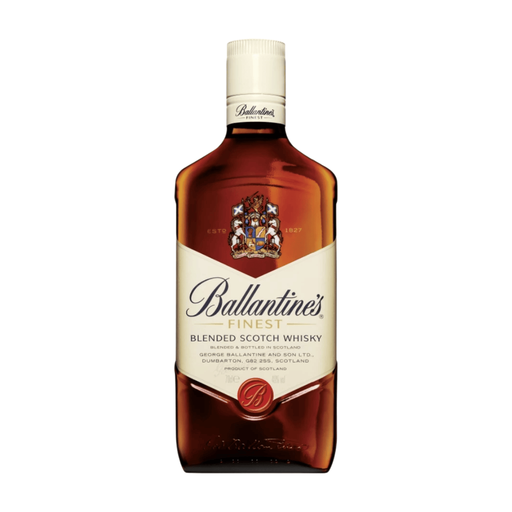
Why this product suits the profile: The 0.7-litre bottle at 40% ABV offers an accessible introduction to blended Scotch. Notes of honey, vanilla, oak and toffee are described among others.
The whisky type, size, alcohol content and the absence of a gift box are clearly stated. This makes it easier to match the purchase with the occasion and budget.
Blended Scotch made from malt and grain whiskies; suitable for drinking neat, on ice and in whisky cocktails.
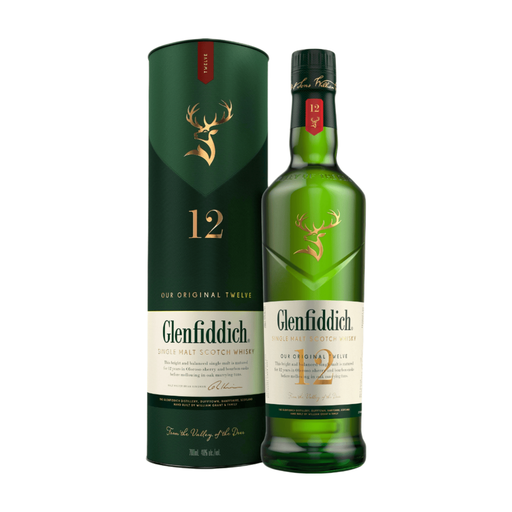
Why this product suits the profile: The bottling is labelled as a Single Malt from Speyside and, according to the product description, matures for at least 12 years in Oloroso sherry and bourbon casks. Pear, butterscotch and subtle oak are mentioned.
The Single Malt category, Speyside region, maturation period and alcohol content of 40% ABV are all specifically stated.
A clearly defined Speyside profile; can be served neat, on ice or with a splash of water.
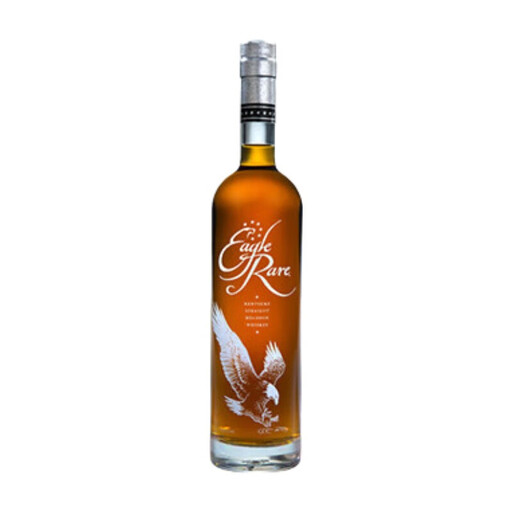
Why this product suits the profile: The Kentucky Straight Bourbon is described at 45% ABV with a stated maturation of 10 years. Flavours such as toffee, orange, chocolate and oak suit both neat drinking and classic cocktails.
Origin, category, bottle size, alcohol content and intended serving methods are all provided. This means the bottling can be assessed on more than just a marketing name.
45% ABV and a Bourbon profile with sweet, spicy and woody notes; suitable for Old Fashioned, Manhattan and Whiskey Sour.
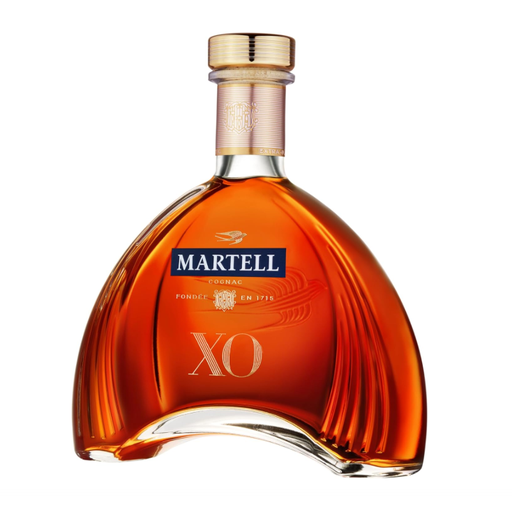
Why this product suits the profile: If you'd like to give a French spirit instead of whisky, this 0.7-litre bottle comes with a designated gift box. Spicy and fruity aromas are described.
The product type, Cognac, is clearly distinguished from whisky. Packaging, volume and alcohol content should be checked against the gift purpose before purchase.
French Cognac with gift packaging; suitable for recipients who prefer international spirits.
An opened bottle should be stored upright, tightly sealed and protected from direct sunlight. Strong temperature fluctuations can affect the sensory quality. A general shelf life after opening cannot be determined for every bottling; fill level, closure and storage conditions all play a role.
For beginners, a glass at room temperature or with a few drops of water is a simple way to appreciate the aromas. Ice cools and dilutes the whisky. For long drinks, products such as blended Scotch, Irish whiskey or Tennessee whiskey are more suitable. Miniature bottles like Jack Daniel's Old No. 7 Tennessee Whiskey 10x0.05L can serve as a gift set or for trying several portions.
An accessible profile with a moderate alcohol content and clear notes such as vanilla, honey, fruit or toffee can make the start easier. A Blended Scotch Whisky or a mild Irish whiskey is often easier to categorise than a heavily peated bottling. Personal preference remains key.
Whisky will not remain unchanged indefinitely just because of its alcohol content. When stored upright, in a dark place and tightly sealed, the aroma can be preserved for a long time. The less liquid remains in the bottle, the more oxygen is present above it. So an opened bottle should not be left open for unnecessarily long periods.
The price depends on factors including whisky type, maturation period, origin, bottling and packaging. A higher price does not guarantee a suitable flavour profile. So first compare alcohol content, bottle size, aroma description, age and intended use. From age 18: consume alcohol responsibly and never combine it with driving vehicles or operating machinery.