
Same-day & Next-day Delivery

Quality Guaranteed

Unlock Your Welcome Offers: FREE Delivery | Up to 80% OFF | Free 30-day JoyPlus trial
Download the APP
If you want to buy whisky online, you’ll find a huge selection from Scotland, Ireland and the USA. But with age statements, cask maturation, origin and tasting notes to consider, it’s not always immediately clear which bottle suits your occasion. The following criteria will help you cut through the marketing jargon and compare whisky varieties with confidence.
For a Single Malt Whisky, the age statement usually refers to the maturation period of the youngest whisky in the bottle. A longer maturation can produce different flavours, but it’s not a universal sign that the bottle will suit everyone’s taste. A smoky Scotch Whisky aged for ten years may be a better fit for lovers of peaty notes than a much older, milder whisky.
With a Blended Scotch Whisky, various malt and grain whiskies are combined. If there’s no age statement, it’s often referred to as a bottling without an age statement. In that case, what really matters are the origin, cask selection and the stated flavour profile.
Terms like “smooth”, “full-bodied” or “Premium Whisky” are descriptions, not officially protected quality grades. Far more useful are concrete details such as alcohol content, bottle size, maturation period, cask type and region of production.
A bottle at 40% ABV is standard for many regular bottlings. Different values, say 46% ABV, can indicate a different bottling approach. However, alcohol content alone tells you nothing about your personal taste preferences.
The standard size for whisky is 0.7 L. For a household where whisky is only poured occasionally, a smaller bottle or a miniature set can be more practical. If you’re buying whisky as a gift, remember to check whether a gift box is included. Not every decorative bottle comes with a separate presentation box.
Origin determines the legal classification and often the flavour profile too:
This classification won’t replace a personal tasting, but it does make the initial selection much easier.
Look out for details such as bourbon cask, sherry cask, French oak or cognac cask. A finish in an additional cask can add extra flavours, but it doesn’t automatically change the whisky’s fundamental character.
For a more objective choice, focus on specific tasting notes:
Always check the product page and the labelling on the bottle. Most of the bottlings featured here are 40% ABV; Ardbeg 10 Year Old Single Malt Scotch Whisky, for example, is listed at 46% ABV. Information on colourings or allergens may vary from product to product. If you have sensitivities, it’s worth checking the current packaging label.
Alcoholic drinks are intended for adults aged 18 and over only. They should be consumed responsibly. Pregnant and breastfeeding women should avoid alcohol. Whisky is not a medicinal or therapeutic product.
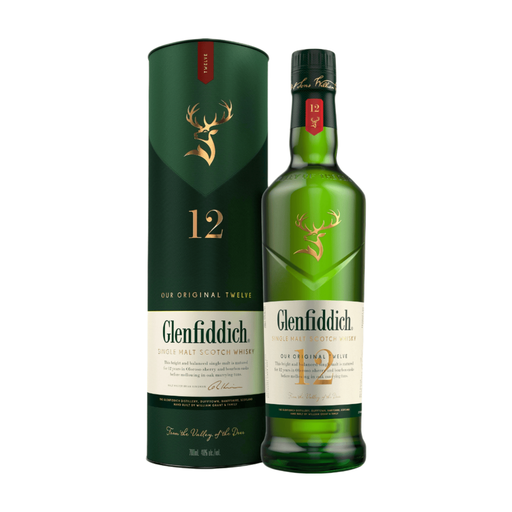
Why this product fits the profile: The 0.7-litre bottle at 40% ABV combines a fruity character with notes of pear, butterscotch and subtle oak. That makes it a sensible choice for anyone starting out with Single Malt Whisky.
The age statement, Speyside origin, bottle size and alcohol content are all clearly listed, making it easy to compare with other bottlings.
Single Malt from Scotland, 12-year age statement, 0.7 L volume and 40% ABV.
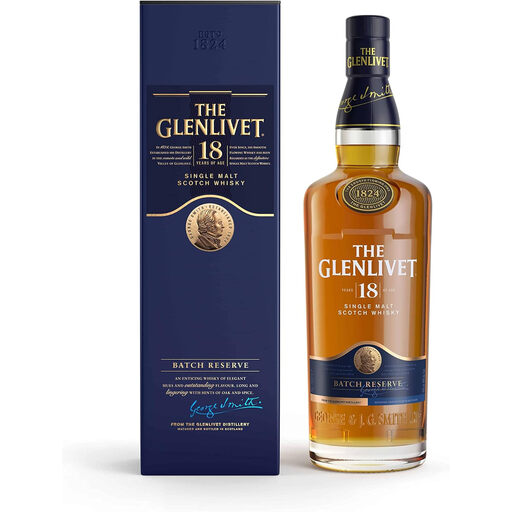
Why this product fits the profile: The longer stated maturation and the described profile of pear, vanilla, oak and a hint of smoke appeal to buyers who want to assess individual parameters carefully.
The choice is based not only on the age statement, but also on origin, bottle size, alcohol content and specific flavour notes.
Single Malt Scotch Whisky, 18-year age statement, 0.7 L and 40% ABV.
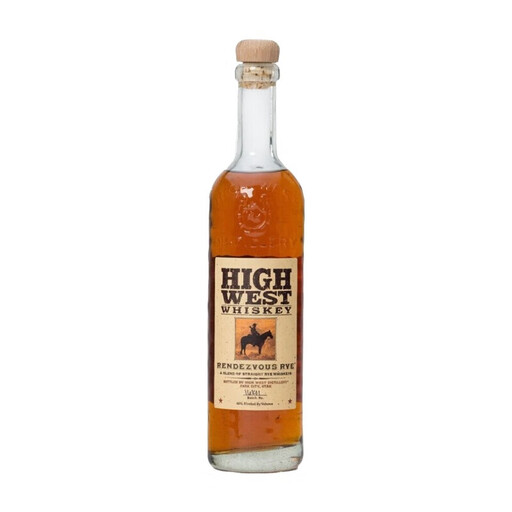
Why this product fits the profile: This American Rye Whiskey is ideal for those who enjoy spicy flavours and want a whisky that works both neat and in classic cocktails.
The product description states the rye base, the 0.7-litre size and specific notes of cinnamon, mint, caramel and vanilla, rather than relying on vague marketing claims.
Blended Rye Whiskey from the USA, spicy profile and versatile for drinking neat or in cocktails.
We’ve put together a full, regularly updated list of products that meet these strict selection criteria and comply with all EU safety regulations.
For whisky as a gift, bottles with a clear origin, a well-displayed age statement or a special cask selection are ideal. Chivas Regal XV combines a Blended Scotch Whisky with a finish in cognac casks. For a more classic blend, Chivas Regal 12 or Ballantine’s Finest are good options.
If you’re making cocktails and long drinks, you could choose a Bourbon Whiskey like Jim Beam, a Tennessee Whiskey like Jack Daniel’s Old No. 7, or a Rye Whiskey. For smoky flavours, Ardbeg 10 Year Old at 46% ABV is a great choice. Whatever you pick, always check the alcohol content, ingredients, allergens and the information on the current product packaging.
A fruity or mild Scotch Whisky, or an Irish Whiskey, can offer an accessible starting point. Glenfiddich 12, The Glenlivet 12 or Jameson Irish Whiskey all have clearly described profiles and a standard 0.7 L size. Your personal tolerance and taste preferences are still the most important factors.
Whisky doesn’t have a typical use-by date like fresh food. However, once opened, the bottle should be stored upright, tightly sealed, in a cool place away from direct light. If there’s only a small amount left, the larger air volume can cause a more noticeable change in aroma.
The price depends on factors such as maturation period, brand, cask selection, alcohol content and packaging. A higher price doesn’t guarantee it will suit your personal taste. So always compare the technical product details and the flavour profile before you buy whisky online.