
Lieferung heute & morgen

Qualitätsgarantie

Willkommens-Angebote freischalten: KOSTENLOSE Lieferung | Bis zu 80 % RABATT | Kostenlose 30-Tage-JoyPlus-Testphase
App herunterladen
Anyone looking to buy whisky online will quickly find a wide selection of Scotch whisky, bourbon whiskey, Tennessee whiskey, rye whiskey and Irish whiskey. However, product pages differ in more than just price. Origin, maturation period, cask type, alcohol content and bottle size all affect whether a bottle suits your personal taste or makes a suitable whisky gift.
The Joybuy Product Recommendation Officer selection is therefore based on clear, verifiable information rather than sweeping advertising claims.
A long maturation period can influence a whisky’s character, but it is not the only measure of whether it suits your preferences. A single malt whisky matured for ten years may taste intensely smoky, while a twelve-year-old whisky from Speyside is often fruitier and smoother. Distillery, cask maturation, alcohol content and flavour profile are also important factors.
Scotch whisky, bourbon whiskey and Irish whiskey follow different production traditions. A blended Scotch whisky combines malt and grain whiskies, whereas a single malt is made from malted barley at a single distillery. Bourbon is made predominantly from maize, while rye whiskey contains a higher proportion of rye. If you buy based solely on the brand or bottle design, you may end up with a product that does not match your preferred flavour profile.
The standard size of whisky 0.7 l, or 700 ml, is suitable for personal enjoyment and many gifting occasions. Miniatures of 0.05 l, on the other hand, are practical for tasting, gift hampers or small gift sets. A value pack may be useful for long drinks, but it does not always contain whisky alone.
Whisky 40% vol. is also common, but not a fixed standard. The selection includes products with 45% or 46% vol., for example. A higher alcohol content can make the flavour appear more intense, so it should be taken into account when deciding how to serve the whisky.
The term “single malt” describes the whisky category, not a specific flavour profile. A single malt can be fruity, spicy, malty or smoky.
An age statement refers to the maturation period of the youngest whisky contained in the bottle. For blends without an age statement, buyers should pay closer attention to the origin, product description and flavour profile. Cask details such as bourbon, sherry or French oak provide further clues about possible notes of vanilla, fruit, spice or wood.
Check the following before placing your order:
In Germany, alcoholic drinks may only be sold to adults. Alcohol should be consumed responsibly. Pregnant and breastfeeding people should avoid alcohol; after drinking, you must not drive a vehicle or operate machinery.
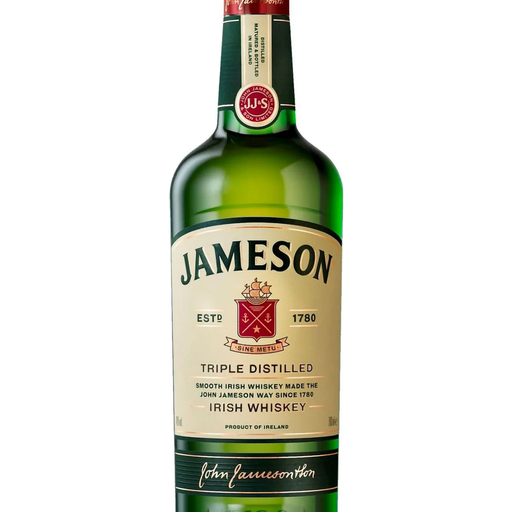
Why this product suits this profile: This Irish blend has an alcohol content of 40% vol. and comes in a 0.7 l bottle, making it a straightforward option for beginners who want to try whisky neat, over ice or in mixed drinks.
The product details clearly state the origin, bottle size and alcohol content. This makes it easier to match the purchase to your preferred serving style.
40% vol., 0.7 l volume and, according to the product description, triple distillation.
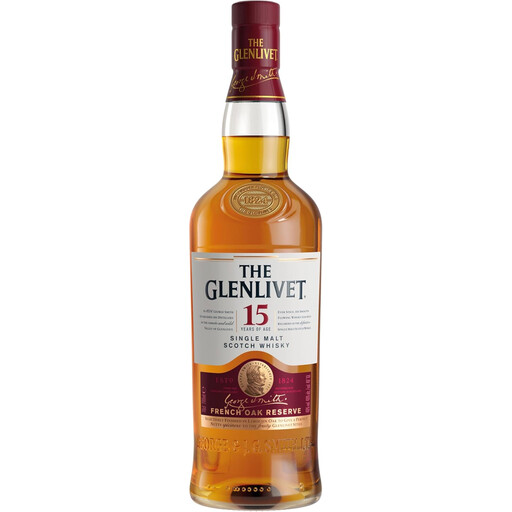
Why this product suits this profile: This Speyside bottling is aimed at buyers looking for a stated age, 0.7 l volume and a spicy, fruity profile.
The selection is based on the stated maturation period, origin and cask description, rather than solely on the term premium whisky.
Single malt Scotch whisky, 15 years according to the product name, 0.7 l and 40% vol. according to the product description.
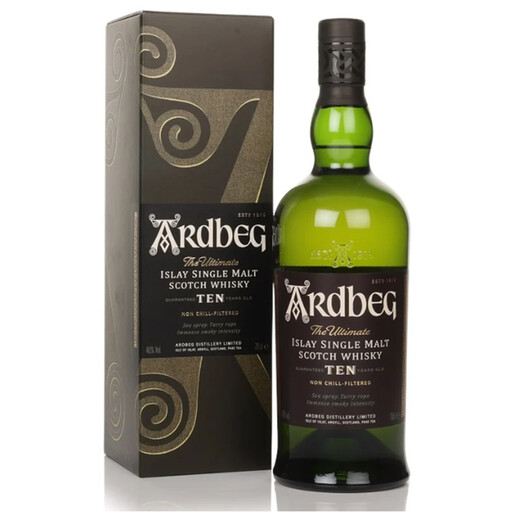
Why this product suits this profile: According to the product description, this Islay bottling is full-bodied and smoky. It is suitable for buyers specifically looking for peaty, distinctive flavours.
The stated flavour profile makes it clear that this is not a mild whisky for beginners.
10 years according to the product name, 46% vol., 0.7 l and, according to the description, non-chill-filtered and free from added colouring.
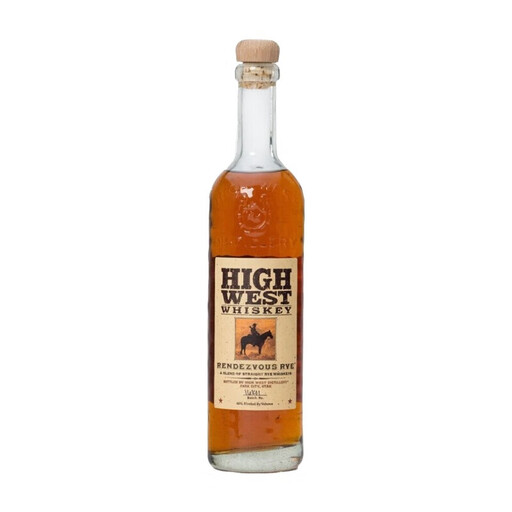
Why this product suits this profile: This rye whiskey from the USA is aimed at drinkers who prefer spicy flavours and want a bottle that can be enjoyed neat as well as used in cocktails.
The rye designation and the described intensity of the spice help distinguish it from sweeter bourbon or smoother Irish whiskey profiles.
Blended rye whiskey, 0.7 l and, according to the product description, flavours of cinnamon, mint, caramel, vanilla and dried fruit.
We have put together a complete, regularly updated list of products that fully meet these strict selection criteria and the safety regulations applicable in the EU.
For a whisky gift, 0.7-litre bottles with a clear origin and a well-described flavour profile are often a suitable choice. For people with different preferences, miniature sets may be more appropriate. The John Daniel’s Old No. 7 Tennessee Whiskey 10x0.05L and Johnnie Walker Red Label 12x0.05L offer small individual portions for discovering new flavours or putting together gift sets.
For special occasions, you should also check whether gift packaging is actually included. An eye-catching bottle design is no substitute for information about volume, alcohol content and origin.
That depends on your preferred flavour profile. Milder, fruity styles such as Glenlivet 12 Year Old or balanced Irish whiskey blends may be more approachable. If you enjoy smoke and peat, you can choose an Islay bottling straight away. Before buying, compare the flavour description with your own preferences.
Unopened whisky has a long shelf life when stored upright in a dark, dry place. Once opened, its flavour changes as a result of contact with oxygen. There is no universally applicable fixed use-by period. Seal the bottle carefully after each pour and keep it out of direct sunlight.
The price depends, among other things, on age, origin, cask maturation, brand, alcohol content and packaging. A higher age statement or the term premium whisky does not automatically justify every price difference. It is therefore worth comparing the price per 0.7 l, the product type and the specific details of the bottling.