
Lieferung heute & morgen

Qualitätsgarantie

Willkommens-Angebote freischalten: KOSTENLOSE Lieferung | Bis zu 80 % RABATT | Kostenlose 30-Tage-JoyPlus-Testphase
App herunterladen
The online selection of white wine is vast, but choosing the right bottle can quickly become overwhelming. Those looking to buy white wine online are often faced with flowery descriptions and a multitude of options that don't always deliver on their promises. This guide will help you identify the essential criteria and make an informed choice that suits your taste and occasion.
Before we dive into the selection criteria, let's look at three common problems that can lead to a poor wine choice:
To avoid these pitfalls, you should focus on objective and verifiable criteria. The following three parameters are crucial for making a good purchasing decision.
In Germany, the flavour profile designation is legally regulated and provides reliable information about a wine's character.
The grape variety and the growing region significantly shape a wine's aroma profile. A brief overview of popular varieties can help you navigate the options:
The choice of packaging should be based on your drinking habits.
Based on the criteria mentioned, we have put together a few products for different needs and preferences.
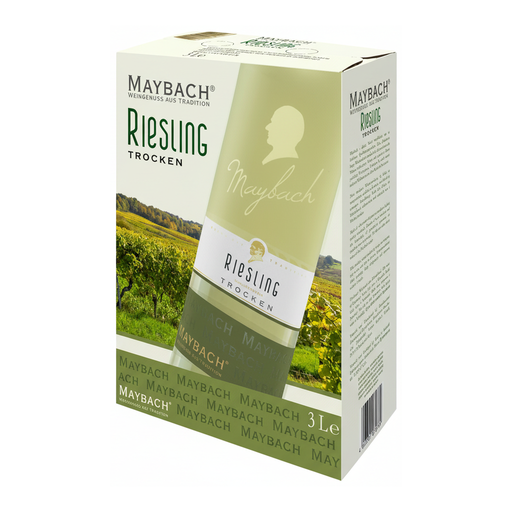
Why this product is a great fit: Ideal for anyone who regularly enjoys a glass of wine or wants to be prepared for social gatherings. The 3-litre packaging is cost-effective and keeps the wine fresh for weeks.
The Bag-in-Box wine solves the problem of impractical packaging size. Instead of opening multiple bottles that quickly lose their quality, this wine stays fresh thanks to the vacuum-sealed tap.
Long-lasting freshness after opening and excellent value for money. The dry Riesling is also a versatile all-rounder.
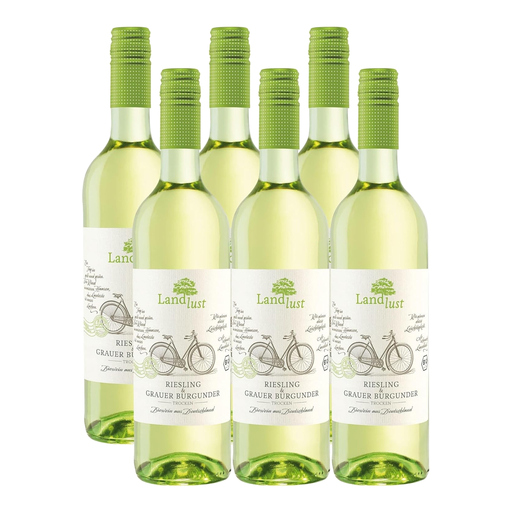
Why this product is a great fit: For consumers who value organic farming and a purely plant-based production process. This wine case combines two popular German grape varieties.
This product is clearly labelled as an organic wine and a vegan white wine. This avoids the pitfall of overlooked product features and enables a conscious purchasing decision.
Certified organic quality according to EU regulations and guaranteed vegan production. The blend of Riesling and Pinot Gris offers a harmonious flavour profile.
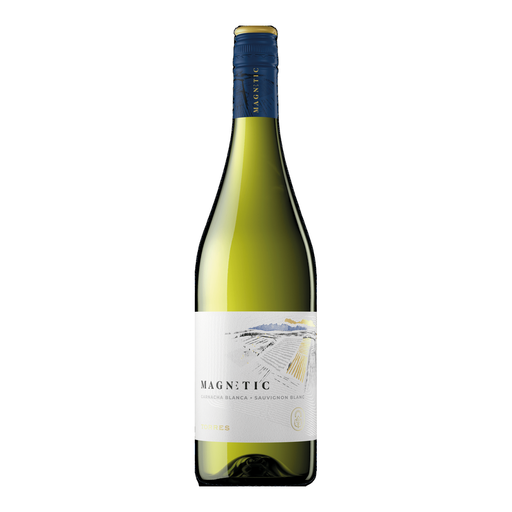
Why this product is a great fit: For the curious who want to look beyond the usual German varieties. This Spanish blend of Garnacha Blanca and Sauvignon Blanc offers a modern, approachable taste experience.
Instead of relying on vague descriptions, this wine provides clear origin and grape variety information. It is a well-defined alternative to familiar styles and makes for an easy introduction to Spanish white wines.
A refreshing, dry, and vegan white wine with aromas of white fruits. Pairs well with Asian cuisine, salads, and fish.
We have compiled a complete, up-to-date list of products that fully meet these strict selection criteria and German regulations.
An opened bottle of white wine should be tightly sealed, stored in the refrigerator, and consumed within 2 to 3 days, as contact with oxygen will quickly cause the aromas to fade. A Bag-in-Box wine, on the other hand, remains fresh for up to four weeks after the first pour due to its vacuum-sealed mechanism.
The term dry white wine is legally defined. A wine can be labelled as dry if its residual sugar content does not exceed 4 grams per litre. An exception allows up to 9 grams per litre, provided the total acidity is no more than 2 grams per litre lower than the residual sugar content. This ensures a balanced taste that isn't perceived as sweet.
For light, steamed, or poached fish dishes, acidic and mineral-driven wines like a dry Riesling or a light Pinot Blanc are suitable. For fried or grilled fish, as well as dishes with creamy sauces, a more robust wine such as a Grauburgunder (Pinot Gris) or an unoaked Chardonnay is a better match.