
Lieferung heute & morgen

Qualitätsgarantie

Willkommens-Angebote freischalten: KOSTENLOSE Lieferung | Bis zu 80 % RABATT | Kostenlose 30-Tage-JoyPlus-Testphase
App herunterladen
As a Joybuy Product Recommendation Officer, I see the vast selection of white wine every day—and how easy it is to get lost in it. Anyone looking to buy white wine online is often faced with a wall of tempting labels and flowery descriptions. But not every wine delivers on its promise. Before you make your choice, it's helpful to know the most common pitfalls that can lead to a disappointing experience.
A frequent issue is the "label trap." An artfully designed label or a prestigious-sounding name often suggests a premium quality that the contents don't always reflect. Another point is an unclear flavor profile. A wine declared "off-dry" can still taste very crisp and not at all sweet due to high acidity—or vice versa. Finally, origin alone is no guarantee of quality. A wine from a famous region can be a letdown if the winemaker hasn't been meticulous.
This guide will help you navigate these hurdles and make an informed decision that suits your taste and occasion.
To find the right white wine, you should focus on objective characteristics rather than being swayed by marketing promises. Three factors are particularly important.
The style indicated on the label is a central clue. In Germany, it is defined by the residual sugar content in the wine:
Note that the interplay between residual sugar and acidity significantly shapes the taste perception. A wine with higher sugar content can still seem refreshing and balanced thanks to strong acidity.
Each grape variety has its own aroma profile, which is further shaped by the growing region (terroir). A German white wine like a Riesling from the Mosel tastes different from one from the Pfalz.
An Italian white wine like Pinot Grigio is often lighter and crisper, while wines from warmer regions usually have fuller fruit flavors. An organic white wine can also be an indicator of a specific cultivation philosophy and quality.
The choice of packaging should depend on the intended use.
Here are some recommendations tailored to different needs and based on objective product features.
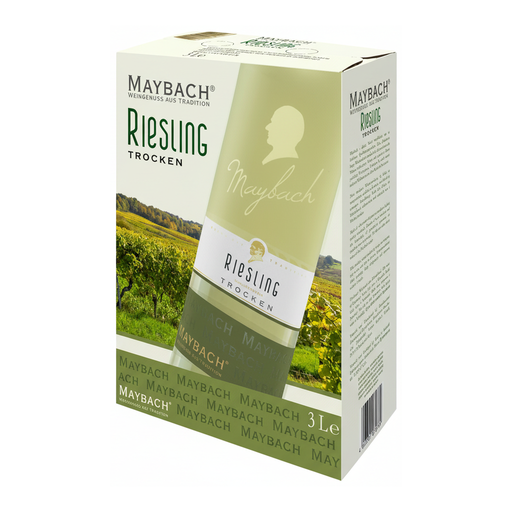
Why this wine is a great fit: Ideal for anyone who regularly enjoys a glass of wine without wanting to open a new bottle every time. The bag-in-box packaging is functional and keeps the wine fresh for weeks.
This wine bypasses the "label trap" by clearly focusing on functionality and excellent value for money. The packaging is designed for utility, not for show.
Long shelf life: Stays fresh for weeks after opening.
Convenient: Integrated tap for easy pouring.
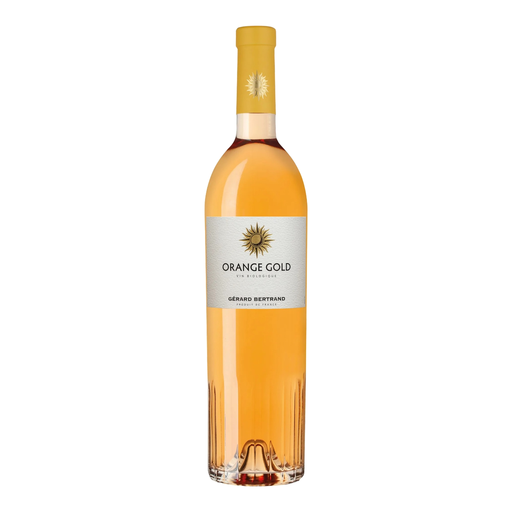
Why this wine is a great fit: For wine lovers looking for something new off the beaten path. As an Orange Wine, it is fermented on the skins, which gives it a unique structure and aroma.
This wine relies on verifiable quality markers like organic certification and a special vinification method, rather than just a well-known appellation.
Certified organic: Proof of sustainable cultivation.
Complex aroma: Notes of ripe peach, apricot, and citrus.
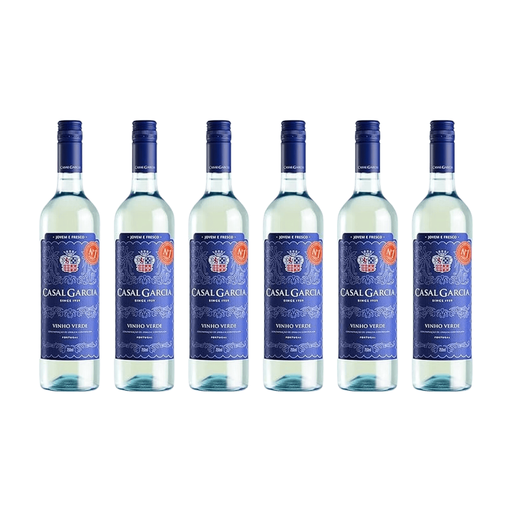
Why this wine is a great fit: An approachable and refreshing wine that is perfect for parties and social gatherings. The 6-pack offers a practical quantity at an attractive price.
This wine solves the "off-dry" puzzle. With its zesty acidity and slight effervescence, it comes across as very invigorating and not overly sweet, making it suitable for a wide range of palates.
Light and crisp: An easy-drinking choice with 9.5% ABV.
Value pack: The 6-pack is ideal for stocking up.
An opened bottle of white wine should be tightly sealed and stored in the refrigerator. Light, crisp wines will last for about 2 to 3 days, while more full-bodied wines like Chardonnay can last up to 4 days. A Bag-in-Box wine has an advantage here: the vacuum-sealed bag keeps the wine fresh for several weeks even after the first pour.
The serving temperature has a major impact on the taste. As a rule of thumb:
The term "dry" refers to the unfermented sugar content in the wine. According to German wine law, a wine can be labeled as dry if its residual sugar content does not exceed 9 grams per liter. In this case, the acidity level must be no more than 2 grams per liter lower than the residual sugar content. This ensures that the wine does not taste sweet.