
Lieferung heute & morgen

Qualitätsgarantie

Willkommens-Angebote freischalten: KOSTENLOSE Lieferung | Bis zu 80 % RABATT | Kostenlose 30-Tage-JoyPlus-Testphase
App herunterladen
The online selection of white wines is vast, and making a decision can quickly become overwhelming. It's a familiar scenario: you're looking for a straightforward wine for a weeknight or a party, only to be faced with a digital shelf full of tempting labels and flowery descriptions. Too often, this leads to disappointment when the product doesn't meet expectations. Before you buy your next white wine, you should be aware of two common pitfalls that frequently lead to regrettable purchases.
This guide will help you navigate these hurdles and find the perfect wine for your needs.
To distinguish marketing hype from genuine quality indicators, it helps to focus on a few objective parameters. These three factors are crucial to your purchasing decision.
A wine's true balance is determined by the interplay between residual sugar and acidity. These values, usually stated in grams per litre (g/L), are a more reliable indicator than a simple taste description.
For example, a dry Riesling from Germany can have up to 9 g/L of residual sugar but still taste crisp and dry due to its characteristically high acidity.
The grape variety shapes the wine's fundamental character, while its origin reflects the terroir—the climate, soil, and winemaking tradition.
For everyday enjoyment or stocking up for parties, larger formats are a worthwhile alternative to the standard 0.75-litre bottle.
Based on these objective criteria, we have selected a few products from our range that suit different profiles.
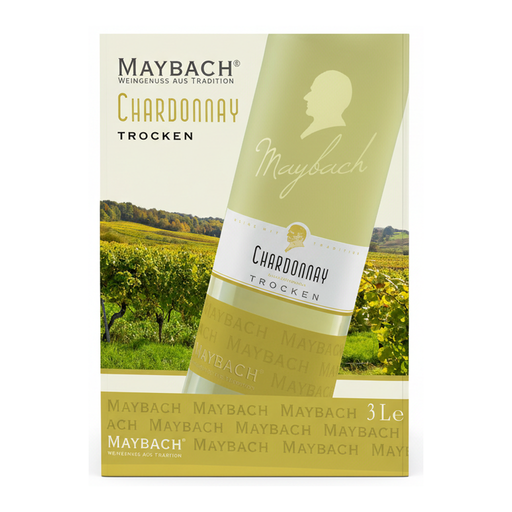
Why This Fits Their Persona: Perfect for parties, barbecues, or simply to always have a quality wine on hand. This German Chardonnay in a 3-litre format is straightforward, pleasant, and offers excellent value for money for frequent enjoyment.
It bypasses the "single-bottle surcharge" with its practical bag-in-box format. You get a large quantity of wine that stays fresh for weeks after opening, without any loss of quality.
Stays Fresh After Opening: Ideal for occasional enjoyment. Aromas: Intense fruit notes of melon and exotic fruits.
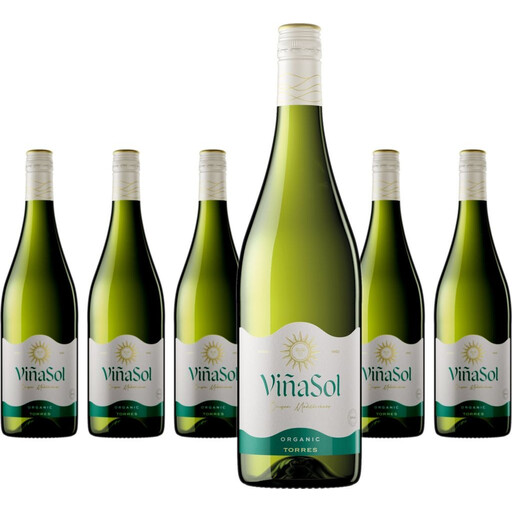
Why This Fits Their Persona: For those seeking a reliable, internationally acclaimed classic. This Spanish wine is an ideal summer wine and food companion, impressing with its freshness and elegance. The 6-bottle case is perfect for stocking up.
This wine is a prime example of a great price-to-enjoyment ratio. Instead of gambling on an unknown name, Torres delivers consistent, high quality that is appreciated worldwide.
Well-Balanced: Silky on the palate with 4.6 g/L of acidity and only 1.4 g/L of residual sugar. Aromas: Notes of citrus fruits, crisp apples, and a hint of herbs.
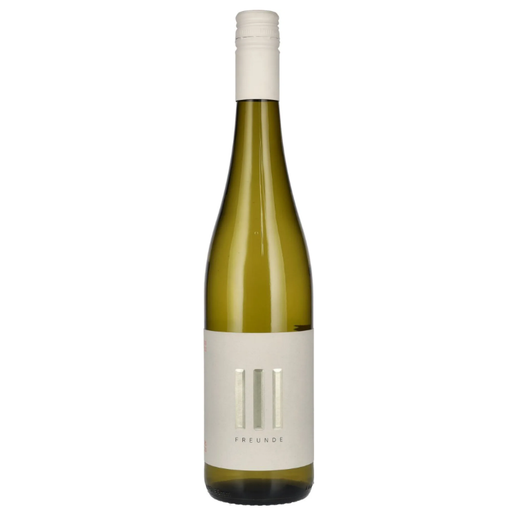
Why This Fits Their Persona: For those who value modern design, a good story, and straightforward enjoyment. The III Freunde Wein is a statement piece for social evenings and represents a new generation of German wines.
This wine avoids the 'dry' trap through transparency. With 8.7 g/L of residual sugar and 6.6 g/L of acidity, it's at the upper limit of 'dry,' which gives it a pleasant fruitiness that is clearly declared.
Clear Origin: A Riesling from the Palatinate region that stands for quality and accessibility. Aromas: Fruity notes of peach and lime; refreshing and zesty.
When planning a party, a perfect drink selection often includes more than just wine. A classic Paulaner Wei?bier (wheat beer), for example, is an excellent addition that is popular with many guests and rounds out the offerings.
We have compiled a complete, real-time list of products that fully satisfy these strict selection criteria and UK safety regulations.
A major advantage of bag-in-box wine is its shelf life. Since no air enters the bag during dispensing, the wine stays fresh in the refrigerator for three to four weeks after opening without losing its aroma. Unopened, the box can last for several months.
A wine classified as Riesling trocken is permitted by German wine law to have a maximum of 9 grams of residual sugar per litre. However, the crucial factor is the ratio of sugar to acidity. The acidity level can be no more than 2 g/L lower than the residual sugar content. Therefore, a Riesling with 9 g/L of sugar and 7 g/L of acidity is considered dry and tastes refreshing and balanced thanks to its high acidity.
For a summer barbecue, a fruity white wine with vibrant acidity that isn't too heavy is an excellent choice. A Spanish Verdejo, a French Sauvignon Blanc from Gascogne, or a light German Riesling are all great options. They pair well with salads, grilled vegetables, fish, or white meat and serve as a refreshing summer wine.