
Lieferung heute & morgen

Qualitätsgarantie

Willkommens-Angebote freischalten: KOSTENLOSE Lieferung | Bis zu 80 % RABATT | Kostenlose 30-Tage-JoyPlus-Testphase
App herunterladen
When you want to buy white wine online, you’ll quickly find a huge selection: dry white wine, off-dry white wine, sweet white wine, alcohol-free white wine, as well as Prosecco, Sekt and Champagne – all of which differ significantly in taste, alcohol content, occasion and storage. An attractive bottle image or a well-known grape variety alone doesn’t tell you much about whether a product actually suits your needs.
This buying guide shows you which details matter before you purchase, and which choice works best for different usage profiles.
Chardonnay, Riesling, Sauvignon Blanc, Pinot Blanc and Vermentino describe the grape variety used. They don’t automatically tell you whether the wine is dry, off-dry or sweet. A Chardonnay, for example, can be made in a dry style or with clearly noticeable residual sweetness.
So always look for the specific flavour description:
A white wine 6-pack with six 0.75-litre bottles contains 4.5 litres. A pack of six one-litre bottles, on the other hand, offers a third more volume. So don’t just compare the total price – also check:
For a party or regular serving, buying a wine set can be more economical than individual bottles. For a gift or a tasting with different styles, a smaller selection is often more suitable.
With an alcohol-free white wine, the alcohol is removed or the wine is processed accordingly. This can change the taste and nutritional values. So always check the details on alcohol content, carbohydrates and sugar.
For example, the Grand Sud Chardonnay Zero states 0.0% vol., 30 kcal and 6 g of sugar per 100 g. Despite the lack of alcohol, the product can therefore taste sweet. It also contains sulphites according to the product information.
The flavour profile should suit the occasion and the food. A dry German white wine, such as a Riesling or Pinot Blanc, often works well with fish, salads or light sauces. An Italian white wine like Vermentino, according to the product description, pairs with light starters and seafood. A Spanish white wine with an off-dry profile can be served chilled as an aperitif or with Mediterranean dishes.
For sparkling wine, the type of carbonation is also relevant:
The alcohol content of the products considered here ranges, for example, from 0.0% vol. for the dealcoholised Chardonnay to around 13.5% vol. for a Hungarian white wine. This detail is more important than a general label like “light” or “full-bodied”.
Alcoholic drinks may only be sold to adults in Germany. Online orders require age verification. Pregnant women, children and anyone who must or wishes to avoid alcohol should choose alcohol-free alternatives. Even alcohol-free wines can contain sulphites. Anyone with allergies should read the ingredients and allergen information.
The stated serving temperature helps you use the wine correctly:
Unopened bottles should be stored in a cool, dry place away from direct sunlight. A screw cap makes resealing easier, while natural cork is used for certain wines or sparkling wines. Once opened, wine should be consumed promptly, as oxygen alters the aroma.
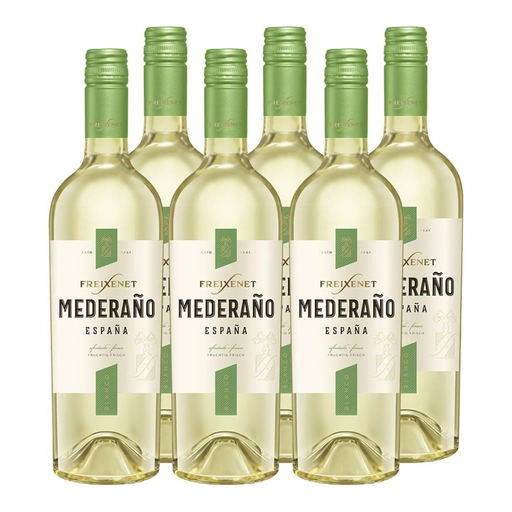
Why this product fits the profile: The 6-pack with 0.75-litre bottles each is ideal for casual get-togethers, everyday meals or well-planned stocking up. The off-dry style is an accessible option for those who find dry wines too acidic.
The product details state the pack size, 11.5% vol., origin Spain and sulphite content. This allows you to assess the volume and alcohol content before buying.
Six 0.75-litre bottles; off-dry profile; according to the product information, suitable for vegetarian and vegan diets.
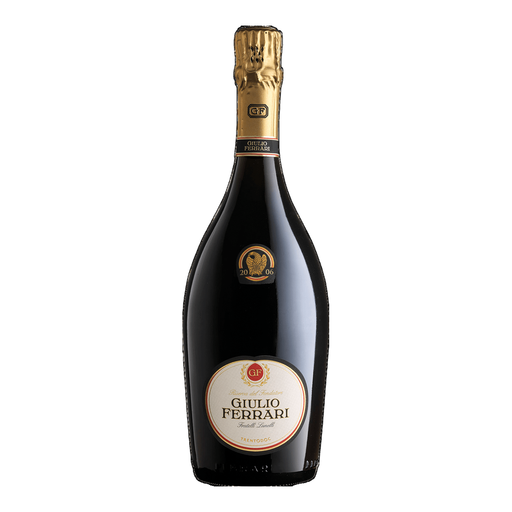
Why this product fits the profile: The single 0.75-litre bottle is aimed at buyers looking for a special sparkling wine for a gift, a dinner menu or a celebratory occasion.
The product description mentions Trentodoc, Chardonnay, 12.5% vol. and a long lees ageing. These are verifiable details rather than relying solely on packaging design.
Single bottle; Chardonnay content according to product information; natural cork; recommended cellaring potential of 15–20 years.
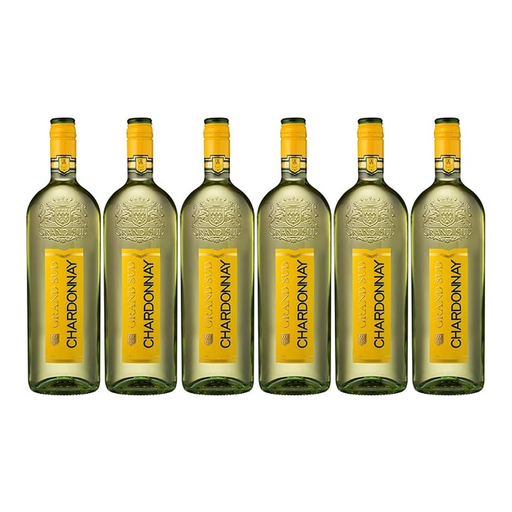
Why this product fits the profile: Six one-litre bottles are ideal for larger households, catering needs or events. With 0.0% vol., this variant is intended for those who wish to avoid alcohol.
Alcohol-free is stated here with the specific value of 0.0% vol. Sugar and calorie information is also available, enabling a more realistic choice.
Six one-litre bottles; Chardonnay; screw cap; recommended serving temperature 10–12 °C.
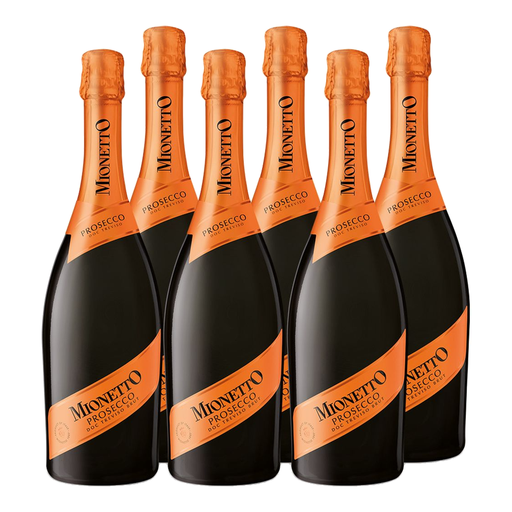
Why this product fits the profile: The 6-pack with a total of 4.5 litres is designed for receptions, parties or regular aperitifs. The Brut category makes it easy to identify as a dry sparkling wine.
Origin Italy, region Veneto, grape variety Glera and 11% vol. are listed in the product details. This clearly distinguishes Prosecco from Sekt or Champagne.
Six 0.75-litre bottles; Prosecco DOC Spumante; Brut; recommended serving temperature 6–8 °C.
We’ve put together a complete, regularly updated list of products that fully meet these strict selection criteria and the safety regulations in force in the EU.
That depends on the type of wine, how full the bottle is and how it’s stored. Still wine should be kept cool after opening and consumed within a few days. Sekt and Prosecco lose their fizz more quickly once opened. A suitable closure can slow down the loss of quality, but it doesn’t replace drinking it promptly.
For many white wines, the manufacturer’s recommendation is between 8 and 12 °C. Sparkling wines are usually served cooler, often between 6 and 10 °C. The specific advice on the product label is the most reliable guide, as grape variety, sweetness and winemaking style all affect perception.
A 6-pack can work out better in terms of price per litre and delivery costs. What really matters, though, is the fill volume, total price and how much you actually drink. If you only have wine occasionally, individual bottles may be a better fit. For parties, catering supplies or regular household shopping, a multi-pack can be more practical.