
Lieferung heute & morgen

Qualitätsgarantie

Willkommens-Angebote freischalten: KOSTENLOSE Lieferung | Bis zu 80 % RABATT | Kostenlose 30-Tage-JoyPlus-Testphase
App herunterladen
When you buy white wine online, you're faced with a vast selection that can quickly become overwhelming. Many labels and descriptions sound tempting, but not every bottle lives up to its promise. To avoid disappointment, it's helpful to know the most common pitfalls and understand which objective criteria truly matter. This guide will help you make an informed decision that suits your taste and occasion.
While browsing online shops, certain marketing tactics or unclear information can lead to a bad purchase. Here are three typical problems to watch out for:
To find the right white wine, focus on verifiable facts instead of marketing promises. The following three parameters are crucial.
Each grape variety has a characteristic aroma profile. A dry Riesling from Germany often offers notes of apple, peach, and a mineral acidity, while a Chardonnay can range from fruity and fresh to creamy and buttery, depending on its vinification. Grauburgunder (Pinot Gris) is often fuller-bodied with aromas of pear, nuts, and almonds.
The origin is just as important. A German white wine from the Pfalz region tastes different from one from Rheinhessen or the Mosel. Look for precise information about the growing area, as this is an indicator of quality and style.
The flavour style designation is legally defined in the EU and is based on the residual sugar content:
These values help you objectively assess a wine's sweetness before you order white wine online.
The choice of packaging depends on the occasion. For daily enjoyment or a party, a case of 6 or a bag-in-box white wine can be a practical and cost-effective choice. The bag-in-box packaging protects the wine from oxidation for weeks after opening. For special occasions or as a gift, the classic 0.75-litre bottle is more suitable.
Furthermore, features like organic wine or vegan white wine are gaining importance. These wines are produced according to certified guidelines that exclude the use of synthetic chemical pesticides (organic) or animal-based fining agents (vegan).
Here are some recommendations tailored to different needs and occasions.
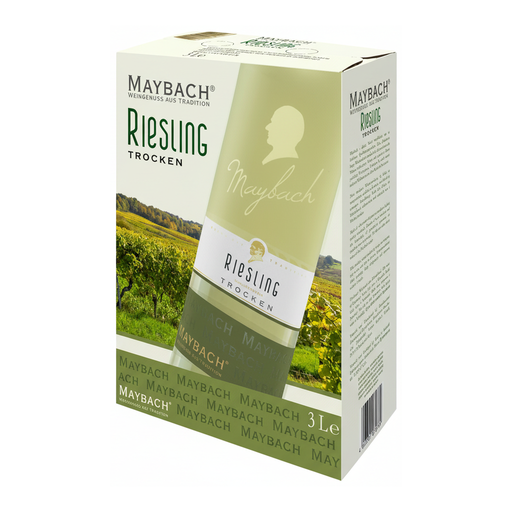
Why This Fits Their Persona: Ideal for those who regularly enjoy a glass of wine without wanting to open a new bottle every time. The 3-litre bag-in-box is perfect for social gatherings, barbecues, or simply stocking up at home.
The packaging is designed for functionality and value preservation, not for a flashy label. The clear "Riesling dry" designation precisely defines the taste.
Stays fresh for weeks after opening. Offers excellent value for a true-to-type German Riesling.
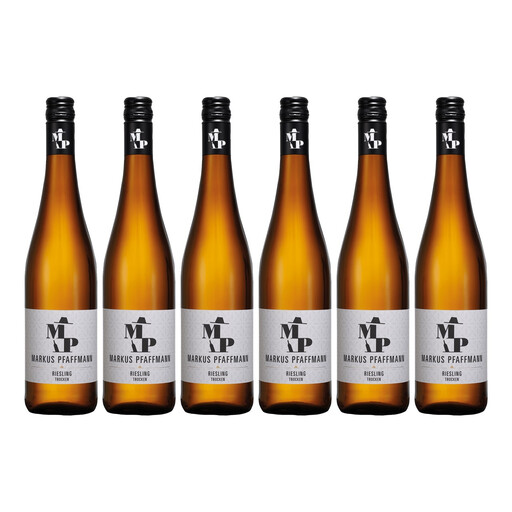
Why This Fits Their Persona: For wine drinkers who value origin, craftsmanship, and sustainability. This wine comes from a renowned winery in the Pfalz region and offers a complex taste experience that reflects its terroir.
The specific origin (Pfalz) and the well-known producer (Markus Pfaffmann) are reliable quality markers. The detailed description of the aromas is concrete, not vague.
Vegan production and membership in Fair'n Green for sustainable viticulture. Complex aroma profile with notes of peach, grapefruit, and lime.
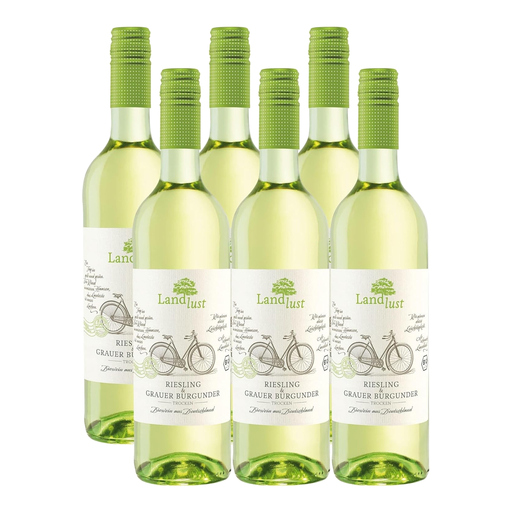
Why This Fits Their Persona: For consumers who specifically seek out products that align with their ethical and ecological values. This wine combines certified organic and vegan production with the enjoyment of an interesting cuvée.
The EU organic certification and the vegan label are verifiable standards that go beyond vague marketing claims and create transparency.
Officially certified organic and vegan wine. The cuvée of Riesling and Pinot Gris offers a balanced interplay of pear and almond aromas.
We've compiled a full, up-to-date list of products that fully meet these strict selection criteria and German regulations.
In Germany and the EU, "dry" means a wine can have a maximum residual sugar content of 9 grams per litre. Additionally, the total acidity must be no more than 2 grams per litre lower than the residual sugar content. This ensures a balanced, not-too-sweet flavour profile that many perceive as crisp and refreshing.
An opened bottle of white wine should be tightly sealed and stored in the refrigerator. It will typically last for 3 to 5 days. Lighter, fruitier wines lose their freshness more quickly than fuller-bodied wines. A bag-in-box white wine lasts significantly longer because the tap prevents air from reaching the wine. It often stays fresh for 4 to 6 weeks in the fridge.
As a rule of thumb: light wines with light dishes, and robust wines with robust dishes. A dry Riesling with its distinct acidity pairs excellently with fish, seafood, and Asian cuisine. A Grauburgunder (Pinot Gris) harmonises well with pasta, poultry, or mushroom dishes. An off-dry white wine, for example from the Müller-Thurgau grape, can be a great companion to mildly spicy foods or mild cheese.