
Lieferung heute & morgen

Qualitätsgarantie

Willkommens-Angebote freischalten: KOSTENLOSE Lieferung | Bis zu 80 % RABATT | Kostenlose 30-Tage-JoyPlus-Testphase
App herunterladen
Anyone looking to buy white wine online will quickly find a wide selection of German white wines, Riesling, Burgundy wines, as well as sparkling wine and Crémant. However, product pages can differ significantly in terms of sweetness level, bottle size, origin and packaging. If you decide based solely on the brand or price, you may end up buying an amount that does not suit the occasion, or a wine whose flavour profile does not meet your expectations.
This shopping guide from the Joybuy Product Recommendation Officer provides an objective overview of the most important details and highlights what adult buyers in Germany should look out for.
A wine can smell fruity and still be made in a dry style. Terms such as peach, apple, lime or mirabelle initially describe aromas, not necessarily the residual sugar content. When choosing, details such as dry, off-dry or medium-sweet are therefore more important than promotional descriptions of the aroma.
A 6-bottle pack of white wine generally contains 4.5 litres. This can be suitable for parties or regular enjoyment, but is less flexible if you only want to try one variety first. A single 0.75-litre bottle is easier to plan for a private evening or as a gift.
A 3-litre white wine bag-in-box, on the other hand, offers a large volume in a compact format. According to the product information, Maybach Pinot Gris can keep for around four weeks after opening. The information on the packaging in question should always be treated as definitive.
“White wine from Germany” does not automatically refer to the same style. Riesling from the Palatinate may have a different acidity profile from Bacchus from Rheinhessen or Pinot Blanc from Baden. With sparkling wine and Crémant, it is also important to distinguish between the origin of the base wine, the place of production and the production method.
Anyone looking to buy Riesling is often seeking a combination of fruitiness and acidity. According to the product data, the III Freunde Riesling has a residual sugar content of 8.7 g/l and acidity of 6.6 g/l. Fish and grilled vegetables are listed as suitable accompaniments.
Pinot Gris, also known in Germany as Grauburgunder, is often associated with a softer, rounder profile. Maybach Pinot Gris Dry is described as having apple, peach and almond aromas. According to the product information, Pinot Blanc, known as Weißburgunder in Germany, goes well with fish, poultry, asparagus and pasta, among other dishes.
Müller-Thurgau and Bacchus are interesting choices when you are looking for a light, aromatic style. Dr. Hinkel Bacchus is listed as off-dry, with 15.0 g/l residual sugar and 11.5 % vol. alcohol. Kiechlinsberger Müller-Thurgau & Morio-Muskat is described as medium-sweet and aromatic.
The description alone is not always enough for a direct comparison. Where possible, check:
A dry wine with higher acidity can be very well suited to light dishes, while a medium-sweet wine can complement the flavours of sweeter foods. An objective choice should therefore be based on the product data and the planned occasion, not just the label.
For a single household, 0.75-litre bottles are generally easy to store and portion. A 6-bottle pack makes sense if the same variety will be served to several people or at recurring occasions. A 3-litre bag-in-box is practical for barbecues, larger gatherings and regular use. However, after opening it requires a suitable, cool place for storage.
Sparkling wine should always be served well chilled. When comparing sparkling wine and Crémant, also look out for the terms “Brut”, “dry” or “off-dry”, as well as the recommended serving temperature.
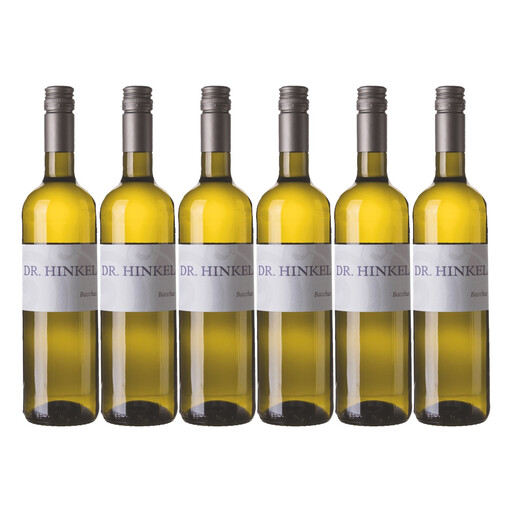
Why this product suits this profile: The 6-bottle pack covers several social occasions and offers an off-dry style with 11.5 % vol. alcohol.
The stated sweetness level and residual sugar content of 15.0 g/l make it easier to assess the flavour than general descriptions of fruitiness.
6 bottles of 0.75 litres each; origin: Rheinhessen; screw cap.
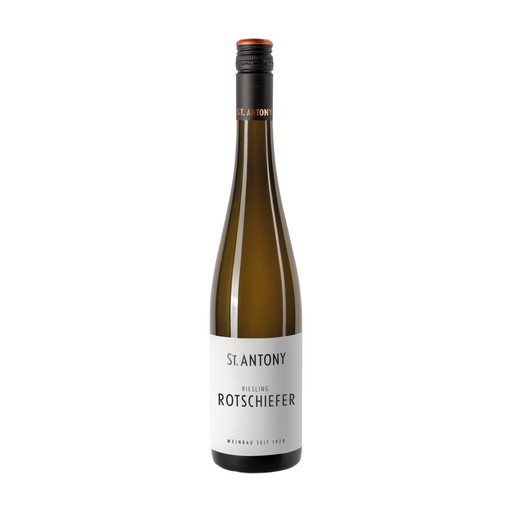
Why this product suits this profile: The product data specifies Rheinhessen, Riesling, organic control number DE-ÖKO-039 and a serving temperature of 9–12 °C.
The details about origin and certification provide verifiable guidance instead of broad claims about quality.
Riesling from Rheinhessen; matured in a stainless-steel tank; screw cap.
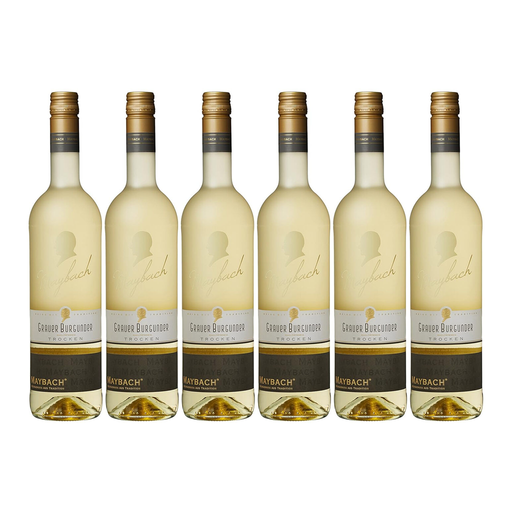
Why this product suits this profile: The dry Pinot Gris in a 6-bottle pack is suitable for regular meals and light cuisine in larger households.
The format is clearly stated as 6 × 0.75 litres, making it easier to assess the total quantity realistically before buying.
12 % vol. alcohol; serving temperature 10–12 °C; details of apple and peach aromas.
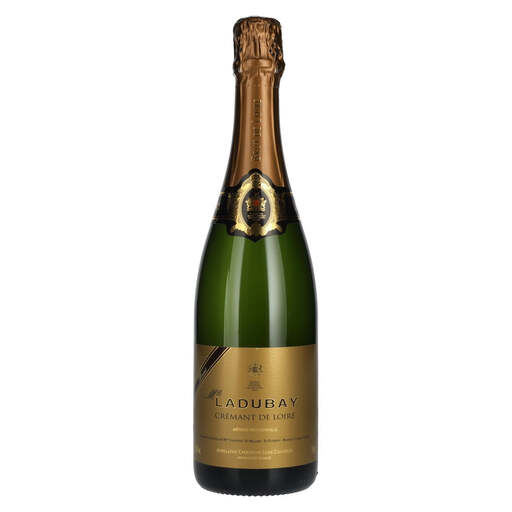
Why this product suits this profile: The Crémant from France’s Loire Valley is listed as Blanc Brut and, according to the product information, is made using the traditional method.
The origin, style, alcohol content of 12.5 % vol. and serving temperature of 8–10 °C are all clearly specified.
Brut style; 0.75-litre bottle; suitable as an aperitif and with seafood and light starters.
We have put together a complete, regularly updated list of products that fully meet these strict selection criteria and the safety regulations applicable in the EU.
White wine should be protected from direct sunlight and significant temperature fluctuations. For many of the products mentioned, the recommended drinking temperature is between 8 and 12 °C. Excessive chilling can make aromas less pronounced, while storing wine too warmly can often make the alcohol taste stronger.
After opening, bottles should be resealed and refrigerated. For bag-in-box products, follow the relevant manufacturer’s instructions. Sulphites must be declared as an allergen on wine products. Anyone with a corresponding intolerance should check the ingredients list before buying.
Alcoholic drinks may only be supplied to people who have reached the applicable legal minimum age. Alcohol should be avoided during pregnancy and while breastfeeding. Please drink responsibly.
For wine with fish and light dishes, dry Riesling, Pinot Blanc or Pinot Gris are suitable options. However, the preparation, sauce and seasoning are also important. With strongly seasoned dishes, an off-dry Bacchus or Riesling may offer a more balanced combination.
This depends on the type of wine, fill volume, closure and storage conditions. An opened bottle should be sealed, stored in the fridge and consumed within a few days. With a bag-in-box, the manufacturer’s stated shelf life may be considerably longer. Always check the specific product label.
A 6-bottle pack can reduce the price per 0.75-litre bottle, but it is only economical if you genuinely need the quantity. Compare the price per litre, sweetness level, grape variety and shelf life after opening. This will help you avoid choosing an unsuitable product solely because of the pack price.