
Lieferung heute & morgen

Qualitätsgarantie

Willkommens-Angebote freischalten: KOSTENLOSE Lieferung | Bis zu 80 % RABATT | Kostenlose 30-Tage-JoyPlus-Testphase
App herunterladen
If you want to buy white wine online, you’ll find a wide selection from Germany, Europe and further afield. However, product pages vary in how they describe sweetness, bottle size, origin and labelling. If you search only for a familiar grape variety or a low-priced case, it’s easy to miss important details.
Riesling, Sauvignon Blanc, Chardonnay, Silvaner and Pinot Gris are grape varieties. The wine’s actual flavour also depends on its origin, winemaking style, residual sugar and acidity. For example, Riesling can be made in either a dry or medium-dry style.
So check the specific description:
A single 0.75-litre bottle isn’t comparable to a 6 x 0.75 l white wine offer. Always check the net volume and price per litre. A 3-litre white wine in a carton can be handy for larger gatherings, but once opened it needs to be stored differently from a single bottle.
The closure matters too: screw caps are easy to reseal, while natural cork is a classic feature of many wines. Neither closure is a reliable indicator of quality.
“Organic” and “vegan” are different attributes. An organic white wine should have a control number or relevant certification. For vegan wine, check whether the producer explicitly identifies the product as vegan. Sulphites often have to be declared on wine labels and may cause allergic reactions in sensitive individuals.
A German white wine from the Saar, Mosel, Rheinhessen or Baden can differ considerably from a wine from Spain, Chile, France or Greece. Riesling and Sauvignon Blanc are often good choices if you’re after a fresh, high-acid style. Depending on how it’s made, Chardonnay can taste fruity, mineral or rounder. Silvaner is often associated with a subtle, food-friendly style; in Germany, Pinot Gris is also known as Grauburgunder.
Alcohol content is given as a percentage by volume. The wines available, for example, range from around 10.5 to 13.5% Vol. Residual sugar affects how sweet a wine tastes, while acidity gives it freshness. If you’re choosing a wine to go with lighter dishes, consider these details alongside your personal taste and what you plan to eat.
For white wine with fish and seafood, fresh, dry wines such as Sauvignon Blanc, Riesling or Verdejo are often a good match, depending on how the food is prepared. A less acidic Chardonnay can also work well with creamy sauces and poultry. Distinctive wines such as Retsina are a more deliberate style choice and pair well with robust Mediterranean dishes.
Many white wines are best served between 8 and 12 °C. After opening, reseal the bottle and keep it in the fridge. Always follow the specific guidance on the label or product page.
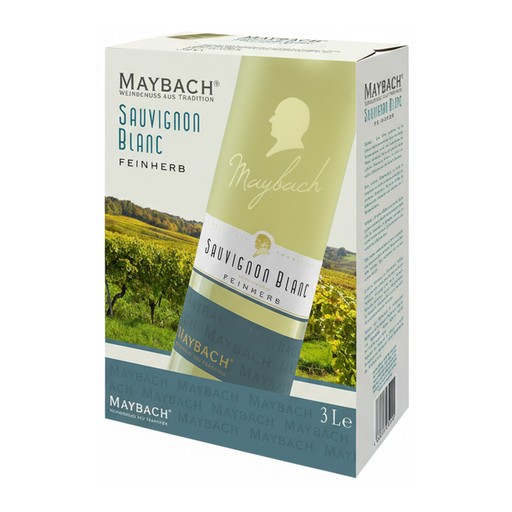
Why this product suits this profile: The 3-litre pack is ideal for sociable gatherings and offers a medium-dry style with a stated alcohol content of 10.5% Vol.
The volume and style are clearly stated, making it easier to compare the offer with individual 0.75-litre bottles.
3 litres, a screw cap and a recommended serving temperature of 10–12 °C.
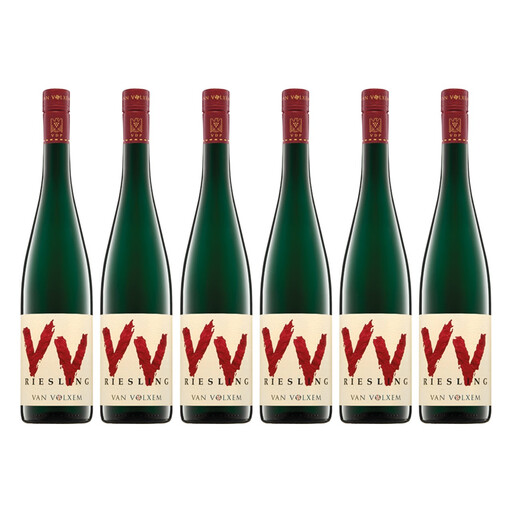
Why this product suits this profile: According to the product details, this dry Riesling comes from the Saar region and is sold in a case of six with natural cork closures.
The grape variety, origin, alcohol content of 12.0% Vol. and total volume of 4.5 litres are all clearly stated.
Dry Riesling from Germany, six 0.75-litre bottles and storage guidance for both unopened and opened bottles.
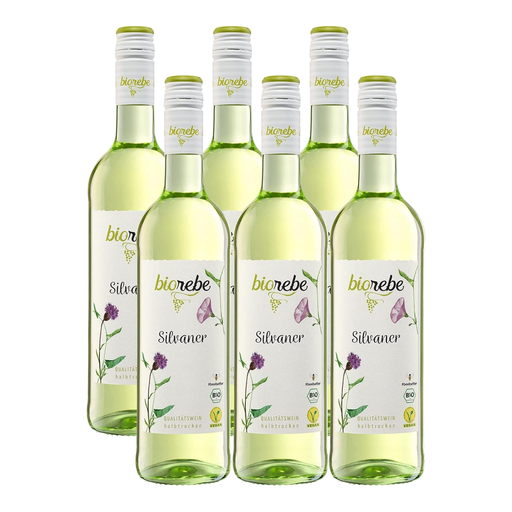
Why this product suits this profile: The product details identify this Silvaner as organic and vegan. Its medium-dry style is suited to households that regularly serve wine.
The organic and vegan claims aren’t inferred from the grape variety; they’re explicitly stated in the product details.
Six 0.75-litre bottles, 11.5% Vol. and clearly stated organic and vegan attributes.
We’ve put together a complete, regularly updated list of products that meet these strict selection criteria and fully comply with the safety regulations in force in the EU.
Dry, fresh wines with enough acidity, such as Riesling, Sauvignon Blanc or Verdejo, often pair well with steamed fish, sushi and many seafood dishes. An aromatic Sauvignon Blanc can be a good choice with strongly spiced food. It’s also worth checking the food-pairing suggestions on the product page.
It depends on the wine, the closure and how it’s stored. As a general guide, some product details suggest three to five days if the wine is tightly resealed and kept chilled. Retsina and other aromatic wines may have different recommendations. Reseal the bottle after opening and store it somewhere cool.
Check the stated certification or control number, and read the ingredient and allergen information. Organic and vegan white wines may still contain sulphites. Alcoholic drinks are not intended for under-18s; avoid alcohol during pregnancy and breastfeeding.