
Lieferung heute & morgen

Qualitätsgarantie

Willkommens-Angebote freischalten: KOSTENLOSE Lieferung | Bis zu 80 % RABATT | Kostenlose 30-Tage-JoyPlus-Testphase
App herunterladen
Finding high-quality whole grain products can be more complicated than it first appears. Packaging often promises more than the contents deliver, and the sheer variety on store shelves can be overwhelming. As your Joybuy Product Recommendation Officer, I'll help you identify the key quality indicators and find products that meet your standards for a balanced diet.
Many consumers invest in supposedly healthy foods that, upon closer inspection, prove to be less beneficial. Watch out for these three common misconceptions to avoid disappointment:
To ensure you're getting high-quality, fiber-rich foods, focus on these objective criteria:
The most crucial clue is found in the ingredients list. For a true whole grain product, the first ingredient should be "whole grain flour", "cracked whole grain", or the specific whole grain itself (e.g., "whole grain rolled oats"). This guarantees that the product is made primarily from the entire grain—including the germ and bran.
Whole grain products are an important source of dietary fiber. A high fiber content is a good sign of a minimally processed product. As a guideline:
Products like oats for porridge, whole grain bread, or bran typically meet these values with ease.
A conscious diet includes monitoring sugar and salt intake. Compare the nutritional information per 100 grams:
Instead of making a one-size-fits-all recommendation, we have curated products for different user profiles.
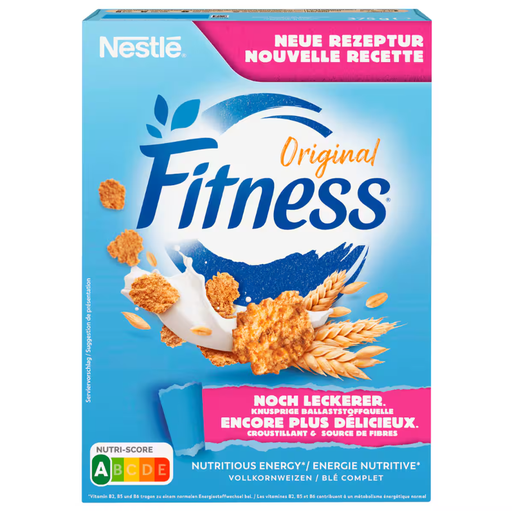
Why This Fits Their Persona: Ideal for those who have little time in the morning but don't want to miss out on a breakfast with whole grains. The flakes are quickly prepared with milk or yogurt.
The manufacturer transparently states the whole grain content at 58%. The sugar content of 8.8g per 100g is moderate compared to many other breakfast cereals, but still requires mindful consumption.
High fiber content (10.7g/100g) and fortified with vitamins, iron, and calcium.
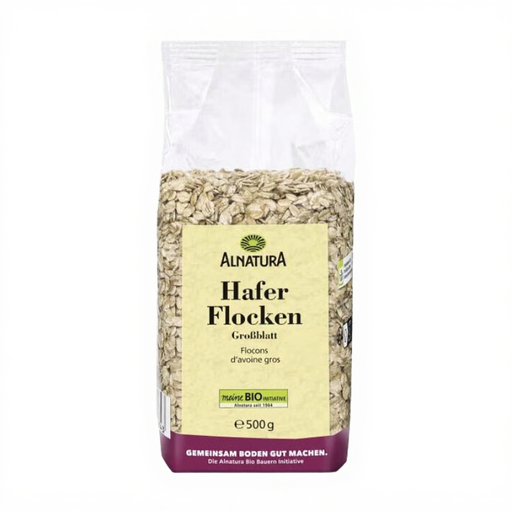
Why This Fits Their Persona: Perfect for anyone looking for a pure, unprocessed product. Ideal as a base for homemade muesli, porridge, or for baking whole grain bread and pastries.
This product consists of 100% whole grain rolled oats with no additives. With only 1.1g of sugar per 100g, it is naturally low in sugar. The Bioland certification represents high ecological standards.
Maximum versatility and purity. The high protein content of 13g per 100g makes it a nutritious base for many meals.
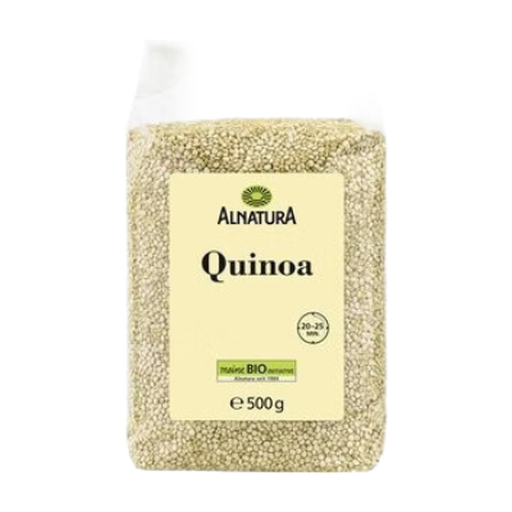
Why This Fits Their Persona: An excellent choice for those seeking a gluten-free alternative to traditional grains. Quinoa is extremely versatile and works well as a side dish, in salads, soups, or casseroles.
As a pure, natural product with no additives, there are no hidden sugar or salt traps here. It is a naturally whole grain pseudo-cereal and is organically grown.
High protein content (13.8g/100g) and naturally gluten-free. The organic quality ensures cultivation without synthetic pesticides and fertilizers.
We've compiled a complete, up-to-date list of products that fully meet these strict selection criteria.
The most reliable feature is the ingredients list. The first ingredient must be "whole grain flour" or "cracked whole grain". The colour of the bread is not a reliable indicator, as it can be influenced by added malt or syrup. Real whole grain breads also often have a denser, firmer texture.
Yes, oats are typically made from the entire oat kernel, making them a natural whole grain product. A distinction is made between hearty (large-leaf) and delicate (small-leaf) flakes. Hearty flakes have more bite, while delicate flakes swell faster and are well-suited for a creamy porridge. Both varieties are nutritionally equivalent.
For a product to be considered low-sugar, a sugar content of less than 5 grams per 100 grams is a good benchmark. Many whole grain cereals advertised as healthy significantly exceed this value. A critical look at the "Carbohydrates, of which sugars" section on the nutrition facts panel is therefore always recommended.