
Lieferung heute & morgen

Qualitätsgarantie

Willkommens-Angebote freischalten: KOSTENLOSE Lieferung | Bis zu 80 % RABATT | Kostenlose 30-Tage-JoyPlus-Testphase
App herunterladen
Anyone looking to buy wine online can conveniently compare origin, grape variety, sweetness level and pack size. At the same time, inconsistent product details and promotional tasting descriptions can make the decision more difficult. This buying guide from the Joybuy Product Recommendation Officer explains which details matter before placing an order and which wines may suit different occasions.
A common mistake is to read only the product name. The product page for Karl Pfaffmann Ganswein White Wine 0.75L describes a white wine in the title. However, the listed specifications include Merlot, red wine and 13.5% ABV. Before buying, you should therefore check colour, grape variety, vintage, alcohol content and bottle size together.
The term dry red wine refers to residual sugar, not to whether a wine tastes full-bodied, acidic or tannic. For example, a dry Merlot may appear rounder and more approachable than a dry Nebbiolo. Those who prefer fruitier notes may also find suitable options among off-dry wines, such as a Primitivo from Apulia.
When buying wine in a 6-bottle pack, calculate the total price per litre or per 0.75-litre bottle. A 6-bottle pack is ideal for keeping a well-stocked wine rack, hosting dinners and entertaining, but it is less practical when you want to try an unfamiliar grape variety for the first time. Six bottles also require sufficient storage space and reliable delivery.
The three main categories are red wine, white wine and rosé wine. Those looking to buy red wine online can use varieties such as Merlot, Primitivo, Nebbiolo or blends as a starting point. When buying white wine online, Riesling, Sauvignon Blanc and Pinot Blanc are popular selection criteria. If you are choosing rosé, also pay attention to sweetness level and the recommended serving temperature.
Origin provides another useful indication, but it does not replace a complete product description:
The terms “dry”, “off-dry”, “medium-sweet” and “sweet” can help narrow down your selection. Some wines also provide specific figures. The III Freunde Riesling 2023, for example, is listed with 8.7 g/l of residual sugar and 6.6 g/l of acidity. It is classified as dry and is intended to be served at 10–12°C. Such figures are more useful for comparison than general descriptions such as “fresh” or “harmonious”.
A standard bottle usually contains 0.75 litres. A 6-bottle pack of 0.75-litre bottles therefore contains 4.5 litres in total. The Grand Sud Merlot Pays d’Oc IGP comes in six 1-litre bottles, providing 6 litres altogether. According to the product information, it has an alcohol content of 13% ABV.
Red wine is often served at around 16–18°C, while many white and rosé wines are best served between 8 and 12°C. As a general rule, bottles should be stored in a cool, dry place away from direct sunlight. Once opened, wines should be resealed and consumed within a few days, depending on the product.
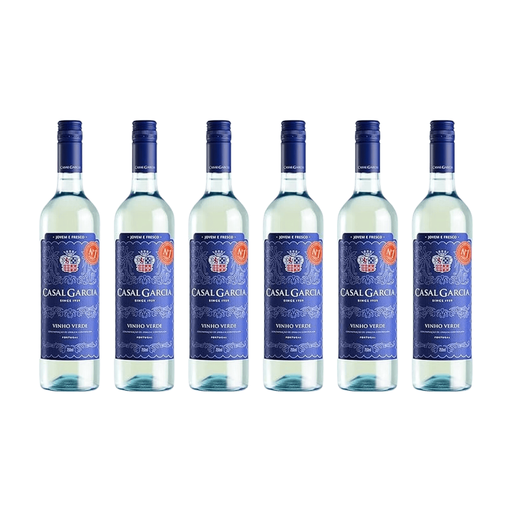
Why it fits: The 6-bottle pack contains 4.5 litres in total, making it a practical choice for households that regularly serve white wine with light dishes, salads or sushi, or as an aperitif.
The pack size, Portuguese origin, 9.5% ABV and off-dry style are clearly stated. This makes it easier to assess whether buying in bulk is the right choice.
Six 0.75-litre bottles; recommended serving temperature of 8–10°C; grape varieties include Trajadura, Loureiro, Arinto and Azal.
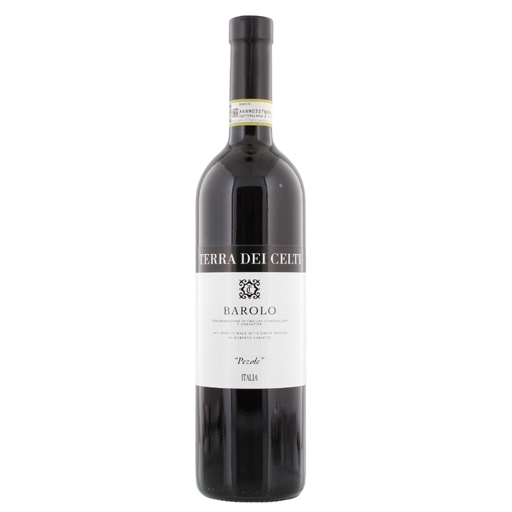
Why it fits: According to the product description, this dry Italian Nebbiolo pairs well with red meat, game and roasts. The single 0.75-litre bottle is well suited to a planned dinner.
The product details specify DOCG status, the Nebbiolo grape variety, 14% ABV and a recommended decanting time of 30 to 60 minutes. This provides a clear basis for planning.
Barolo DOCG from Italy; dry red wine; storage recommendation of 12–16°C; well matched with rich, robust dishes.
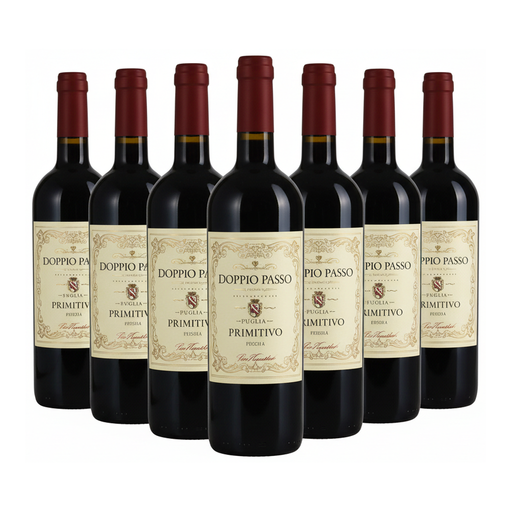
Why it fits: The 6-bottle pack is aimed at shoppers looking for wine for dinners and celebrations or wanting to keep a regular supply on hand. The wine comes from Apulia and is listed at 13% ABV.
The sweetness level, described as “semi-dry” or off-dry, is clearly stated. The six individual 0.75-litre bottles and serving temperature of 16–18°C make it easier to plan quantities and menus.
Six bottles of 0.75 litres each; Primitivo grape variety; origin: Apulia; clearly stated food pairings for rich, flavourful dishes.
For a German wine with pronounced acidity and fruity notes, a Riesling such as the III Freunde Riesling 2023 may be an appealing choice. If you prefer a French red wine, you can choose between a Merlot from the Pays d’Oc, a Saint-Émilion Grand Cru or a Bordeaux blend. For more relaxed occasions, options include a Vinho Verde from Portugal, an Italian Frizzante or an off-dry rosé.
Before clicking “Buy”, also check the vintage or NV designation, closure type, allergens and what is included in the delivery. The wines listed contain sulfites. Sale and delivery are restricted to adults of legal drinking age, and alcohol should always be enjoyed responsibly.
The full selection allows you to compare wines by colour, origin, grape variety, sweetness level and pack size. Check the latest product details and delivery terms before placing your order.
Start with the main dish, then choose the colour, grape variety and sweetness level. Chilled white wines such as Riesling or Vinho Verde often pair well with fish and light side dishes. Roasts, grilled dishes and full-flavoured cheeses can be complemented by dry red wines such as Merlot, Primitivo or Nebbiolo.
That depends on the total price, bottle size and price per litre. Always compare the price per 0.75 litres. A 6-bottle pack can be practical for celebrations or regular consumption, while individual bottles or tasting packs offer greater flexibility when trying a wine for the first time.
Unopened bottles should be kept in a cool, dry place away from direct sunlight. The specific recommendation may vary by product. After opening, reseal the bottle and consume it within the period stated on the product page.