
Lieferung heute & morgen

Qualitätsgarantie

Willkommens-Angebote freischalten: KOSTENLOSE Lieferung | Bis zu 80 % RABATT | Kostenlose 30-Tage-JoyPlus-Testphase
App herunterladen
If you want to buy wine online, you’ll quickly find a huge selection from Germany, France and other wine regions. However, the product page doesn’t always show all the details you need to make the right choice at first glance. When it comes to taste, bottle size and occasion, it’s all too easy to end up with a purchase you regret.
Terms like “fruity”, “full-bodied” or “elegant” don’t paint a consistent picture of flavour. If you’re looking for a dry wine, make sure you check the official sweetness level. Even a fruity, aromatic wine can be vinified dry.
More specific information can help you choose:
A single 0.75-litre bottle can be ideal for a dinner. For a larger gathering, multi-packs or a wine in a value pack are more practical. A 3-litre bag-in-box format, for example, works well for a picnic, barbecue or a private event, but it does need suitable storage conditions once opened.
So before you buy, you should check:
“French wine” or “German wine” simply indicates the origin. It doesn’t automatically tell you about sweetness, quality or style. With terms like organic wine or vegan wine, buyers should look for specific certifications and product details.
An organic label may be accompanied by a control number. For vegan wine, the manufacturer’s declaration is what counts, because different fining agents can be used during winemaking. Allergens such as sulphites must also be taken into account. They are listed in the product information for each of the wines mentioned here.
The grape variety gives you a first idea, but it doesn’t replace a full tasting description. Chardonnay, for example, can be dry, fruit-forward and full-bodied. Pinot Gris is often associated with softer, fruity notes. Merlot is a common choice for both red and rosé wines.
If you want to buy red wine online, you should also pay attention to origin, cuvée composition and alcohol content. For white wine, acidity, serving temperature and food pairing are particularly helpful. For a festive occasion, Sekt and Champagne or a Crémant are good options.
Individual 0.75-litre bottles make it easier to compare different varieties. Six-packs, on the other hand, reduce the hassle for larger groups, but they do assume you’ll drink that style regularly.
One example is the Maybach Chardonnay in a 3-litre bag-in-box format. The product details state 12% ABV, a dry vinification and a recommended serving temperature of 10–12 °C. This format is practical for larger quantities, whereas a single bottle is better suited to a small meal.
White and sparkling wines that are too warm often taste less fresh, while red wines that are too cold release their aromas more slowly. As a rough guide:
Unopened bottles should be stored in a cool, dry place away from direct sunlight. Once opened, follow the manufacturer’s instructions. Alcoholic drinks are intended for adults only; they are not suitable for children or for pregnant women.
The following recommendations match specific products to quantity, occasion and product features. The information is based on the respective product descriptions.
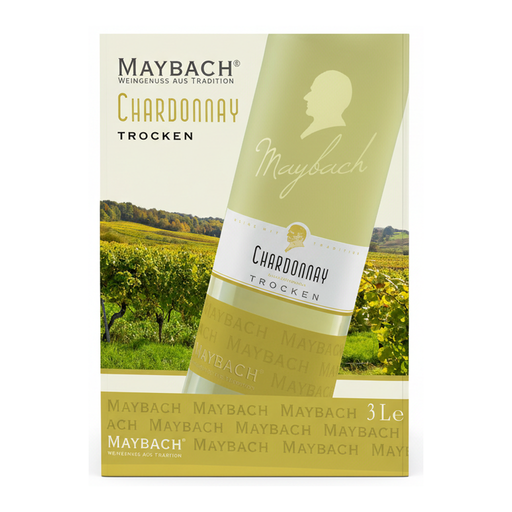
Why this product suits the profile: The 3-litre pack is ideal for buyers who want a dry German Chardonnay for several occasions and don’t want to order lots of individual bottles.
The product page clearly states the wine type, grape variety, sweetness, quantity, alcohol content and serving temperature. This makes it easier to match the pack to the occasion before ordering.
Dry Chardonnay from Germany, 3-litre bag-in-box with tap, 12% ABV and recommended food pairings for salads, fish and light meat dishes.
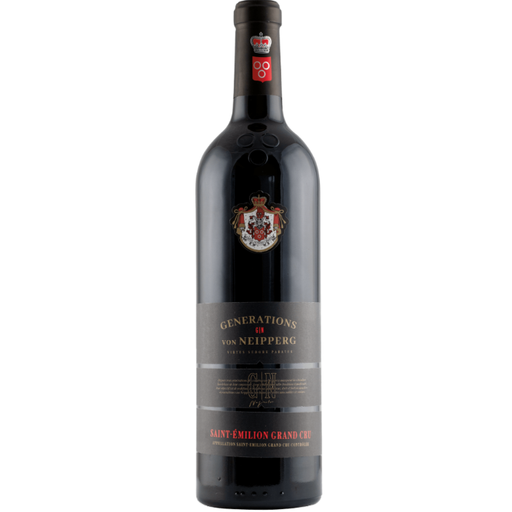
Why this product suits the profile: The 0.75-litre bottle is aimed at buyers looking for a French Bordeaux wine for a dinner or as a gift, who value origin information and a grape variety cuvée.
The details state the origin on the right bank of Bordeaux, a cuvée of Cabernet Franc and Merlot, a dry style, 13% ABV and a serving temperature of 18 °C.
Dry, velvety red wine with a declared Bordeaux origin and organic certification according to the product description.
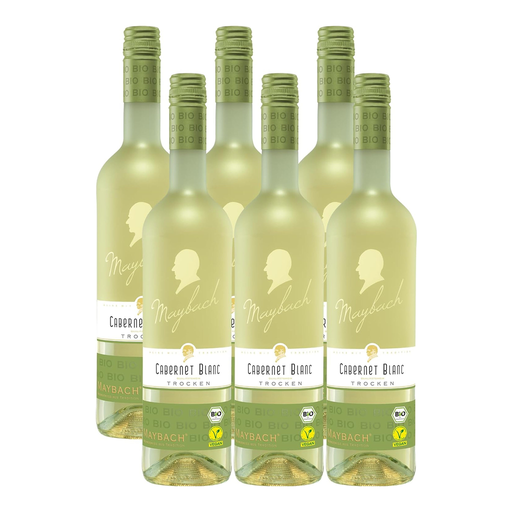
Why this product suits the profile: The multi-pack is designed for hosts and regular buyers who want an organic wine with vegan certification for salads, fish or social evenings.
The organic and vegan status, alcohol content, serving temperature and sulphite warning are all listed in the product data and don’t need to be guessed from marketing images.
Dry white wine from Germany, stated as organic and vegan, 11.5% ABV with aromas of kiwi, citrus fruits and blackcurrants.
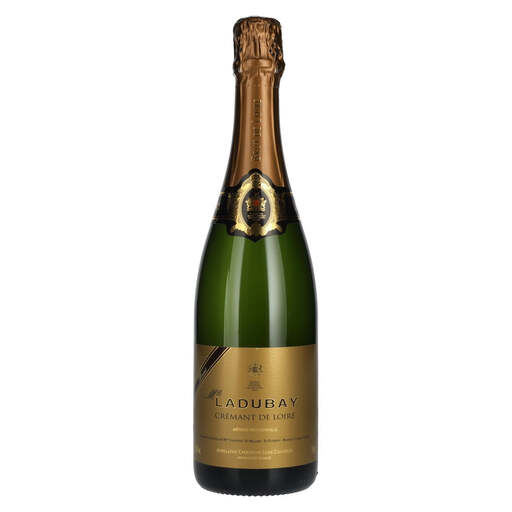
Why this product suits the profile: This French Crémant de Loire is ideal for an aperitif, light starters, seafood and festive occasions when you’re looking for an alternative to Champagne.
The product data states “Brut”, traditional production method, 12.5% ABV, 0.75 litres and a serving temperature of 8–10 °C.
French sparkling wine from the Loire with fine bubbles, stated food pairing and sulphite warning.
Dry white wines such as Chardonnay or Pinot Gris often pair well with fish, salads and light dishes. For richer foods, you can choose Merlot or Bordeaux wines. As well as the grape variety, the sauce, seasoning and serving temperature are also key factors.
That depends on the wine type, the closure and how it’s stored. Opened white and rosé wine should generally be kept chilled and drunk promptly according to the manufacturer’s instructions. With sparkling wine, the pressure decreases after opening. The specific recommendation on the product page or packaging is what counts.
A six-pack or a larger pack can be practical for hosts and regular buyers. However, before ordering, you should check your storage space, how much you’ll drink and how long it will keep once opened. For a one-off occasion, a single 0.75-litre bottle is often easier to choose to suit the event.