
Lieferung heute & morgen

Qualitätsgarantie

Willkommens-Angebote freischalten: KOSTENLOSE Lieferung | Bis zu 80 % RABATT | Kostenlose 30-Tage-JoyPlus-Testphase
App herunterladen
Anyone looking to buy wine online will quickly find a wide selection from Germany, France, Italy and other wine regions. The challenge is less about the range available and more about finding the right fit: does the wine suit the occasion, the food and your personal taste? And does the product description really match your expectations?
As a Joybuy Product Recommendation Officer, I filter the selection using clear information such as origin, grape variety, sweetness level, bottle size, alcohol content and pack size. This helps you avoid common buying mistakes.
A French, Italian or German wine does not automatically have a particular flavour profile. Climate, grape variety, production method and sweetness level have a much greater influence on a wine’s character than its country of origin alone. For example, an Italian Primitivo may be soft and fruit-forward, while an Italian Frizzante represents a completely different style.
Before buying, check the following:
The term dry wine describes the analytical residual sugar content, but does not automatically reflect your personal taste experience. Acidity, fruit aromas and alcohol can also make a wine seem drier or rounder. If you are looking for a fresh white wine, check the grape variety and acidity details as well as the word “dry”.
A Riesling with noticeable acidity can taste fresh despite having balanced residual sweetness. A medium-dry or sweet wine, on the other hand, is often better suited to fruity desserts, spicy dishes or as a standalone finish to a meal.
A 6-bottle wine pack can be practical for parties, regular meals or stocking up. For trying a wine for the first time, a single 0.75-litre bottle is often the more suitable choice. Compare not only the total price, but also the price per bottle and the total weight of the delivery.
For sparkling wine, there is an additional consideration: depending on the closure and storage conditions, an opened bottle can lose its fizz relatively quickly. For a single occasion, one bottle may therefore make more sense than a multipack.
The grape variety provides an initial point of reference, but it does not replace a complete product description. Here are some typical pairings:
When comparing wines, do not consider the sweetness level in isolation. A wine with 10 to 13 per cent alcohol can taste very different depending on its style and residual sweetness. Also check the recommended drinking temperature:
Wine generally contains sulphites, which must be listed on the label as an allergen warning. If you want to avoid certain ingredients, read the product information carefully before buying. Details about screw caps, corks, bottle size and storage can also help you make the right choice.
Alcoholic drinks are intended for adults only. Please observe the legal requirements on protecting young people, drink responsibly and avoid alcohol during pregnancy.
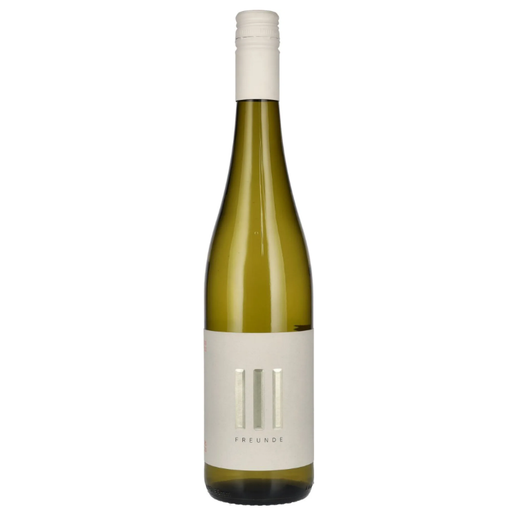
Why this product suits this profile: The single 0.75-litre bottle offers an accessible introduction to German Riesling, with clear details about the grape variety, origin and serving temperature.
The product details specify 100 per cent Riesling, 0.75 litres, 12.5 per cent alcohol, 8.7 g/l residual sugar and 6.6 g/l acidity.
German white wine from the Palatinate, with a screw cap and specific recommendations for fish, grilled vegetables and light dishes.
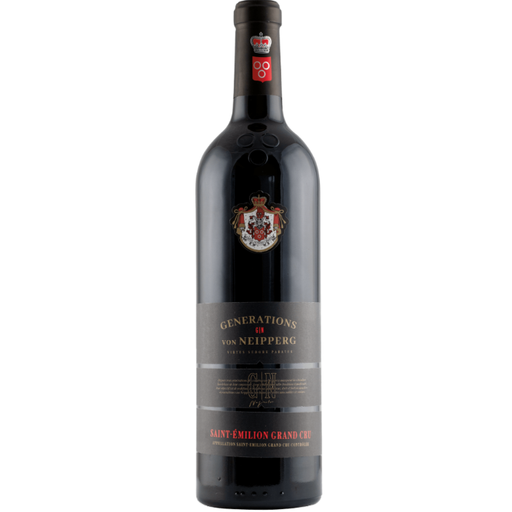
Why this product suits this profile: This French wine from Bordeaux is aimed at buyers who want to consider its origin, dry style and specified blend of Cabernet Franc and Merlot.
The details specify the region, style, alcohol content, grape varieties, organic certification and recommended serving temperature of 18 °C.
0.75-litre bottle, dry style and described aromas of dark berries and violets.
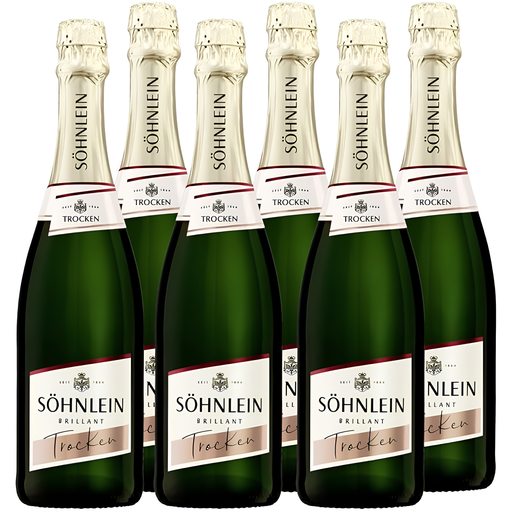
Why this product suits this profile: The six-bottle pack is designed for parties, regular entertaining and larger households that need several bottles of sparkling wine.
The pack size, six bottles, 4.5 litres total volume and 11 per cent alcohol are all clearly stated.
German dry sparkling wine in 750-millilitre bottles, with a serving recommendation for enjoying it chilled.
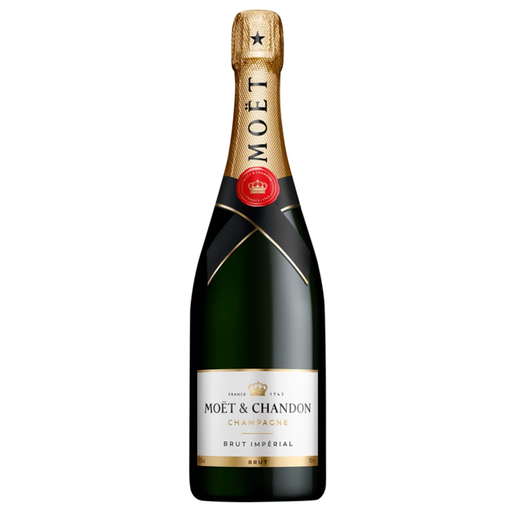
Why this product suits this profile: The single 0.75-litre bottle of Champagne is intended for a toast, a special meal or as a carefully chosen wine gift.
The product type, Brut style, French origin, 12 per cent alcohol and recommended drinking temperature of 8 to 10 °C are all stated.
French Champagne in a single bottle, identified as a gift item and supplied with a sulphite warning.
We have put together a complete, regularly updated list of products that fully meet these strict selection criteria and the safety regulations applicable in the EU.
Start by considering the dish, then look at the grape variety and sweetness level. Chilled white wines such as Riesling or Sauvignon Blanc are often a good match for fish and light dishes. Dry red wines such as Merlot, Primitivo or a Bordeaux cuvée can work well with richer meat dishes. The individual product description remains the key source of information.
This depends on the type of wine, closure, storage conditions and how full the bottle is. After opening, reseal the bottle securely and store it in a cool place. Sparkling wine usually loses its fizz more quickly. Check the manufacturer’s information and always protect wine from heat and direct sunlight.
A multipack is particularly worthwhile if you drink wine regularly, are hosting a party or already know that you like the flavour. For a first choice, a single bottle is usually preferable. When comparing prices, work out the total price per 0.75-litre bottle and take storage space and delivery weight into account.