
Lieferung heute & morgen

Qualitätsgarantie

Willkommens-Angebote freischalten: KOSTENLOSE Lieferung | Bis zu 80 % RABATT | Kostenlose 30-Tage-JoyPlus-Testphase
App herunterladen
If you want to buy wine online, you’ll find a huge selection from France, Italy and Germany. But not every offer is directly comparable when you’re looking at Bordeaux, Merlot, Cabernet Sauvignon, organic wine and vegan labelling. What really matters are clear, verifiable details about origin, taste, grape variety, alcohol content, pack size and allergens.
Names like Bordeaux, Saint-Émilion or France describe where the wine comes from and how it’s classified. They don’t automatically mean the flavour will suit your personal taste. If you want to buy French wine, you should also check the appellation, grape varieties, vintage on the label and the flavour profile.
A dry red wine or dry white wine contains only a limited amount of residual sugar. But dry doesn’t automatically mean light, low in acidity or low in tannins. A Merlot wine can feel soft and fruity, whereas a Cabernet Sauvignon wine is often more defined by tannins and structure. Your perception also depends on alcohol content, acidity and how the wine has been aged.
A 6-bottle wine pack can be practical for hosts, larger households or regular consumption. But if you want to try a particular variety first, committing to six bottles ties up more of your budget and storage space. So before you buy, think about when you’ll drink it, how long it keeps after opening, and how much room you have to store it.
Bordeaux wine is often a blend. Typical grape varieties are Merlot, Cabernet Sauvignon and Cabernet Franc. The exact blend affects the body, fruit and tannins. A Saint-Émilion wine from the right bank of Bordeaux is traditionally shaped by Merlot and Cabernet Franc.
With Italian organic wine like Biorebe Merlot or Cabernet Sauvignon, the origin (Italy) and the grape variety are clearly stated. That makes choosing easier when you’re after a straightforward everyday wine.
The term “dry” should be matched against the described style. For red wine, serving temperature and food pairing are also important:
The temperature stated on the product is the one to follow. A Saint-Émilion Grand Cru, for example, is recommended at 18 °C, while a full-bodied La Clape red wine is given as 16 to 20 °C.
“Organic” should be verifiable through a control number or clear product labelling. “Vegan” refers to the production method and the agents used, not the taste. The Biorebe products state that the grapes are from organic farming; they are also labelled as vegan.
Sulphites are listed as an allergen on many wines. If you have allergies or intolerances, check the ingredients and allergen information on the product page. The alcohol content is also relevant: the wines featured here range from 12.5%, 13% or 14% ABV, depending on the product.
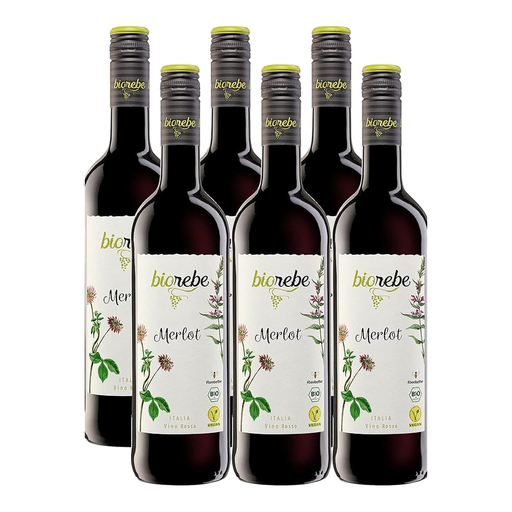
Why this product fits the profile: The 6-bottle pack is ideal for buyers looking for a dry red wine for regular use who also want to consider organic and vegan labelling. The wine comes from Italy and has 13% ABV.
Origin, pack size, alcohol content and organic certification are all shown in the product details. That means buyers don’t have to rely on marketing claims alone.
Merlot grape variety, dry style, organic grapes and vegan labelling; six bottles of 0.75 l each.
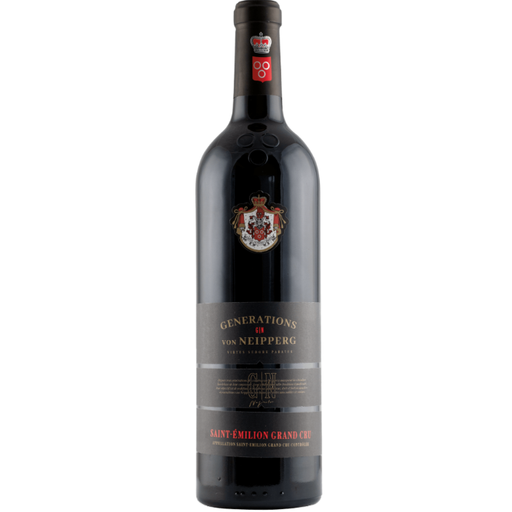
Why this product fits the profile: This dry Bordeaux wine combines a blend of Cabernet Franc and Merlot with a clearly stated origin in Saint-Émilion. It’s designed as a single bottle for a planned dinner or a special occasion.
The choice is based on concrete details about region, blend, style, alcohol content and serving temperature, rather than a vague quality claim.
Origin from the right bank of Bordeaux, dry style, 13% ABV and a recommended serving temperature of 18 °C.
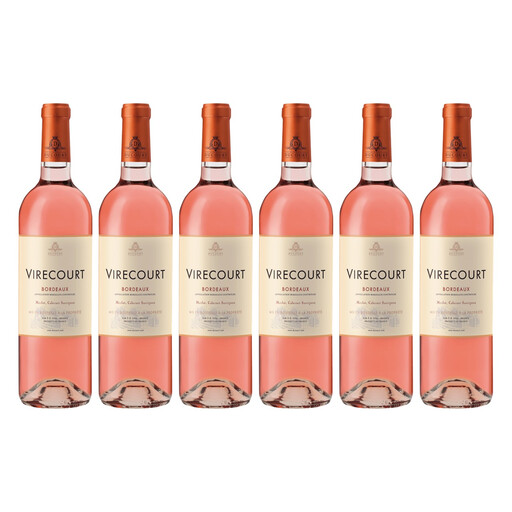
Why this product fits the profile: The 6-bottle pack with a total volume of 4.5 litres is aimed at hosts and households planning a dry rosé wine for several people. The wine comes from Bordeaux and has 12.5% ABV.
The number of bottles and the fill volume are clearly stated. That makes it easy to check before buying whether the quantity suits the occasion and your available storage space.
Dry rosé wine from Bordeaux, six 0.75-litre bottles and clear information about ingredients and sulphites.
Before you buy, run through this quick checklist:
We’ve put together a full, regularly updated list of products that meet these strict selection criteria and comply with all EU safety regulations.
First, check the grape variety, alcohol content, origin and food pairing. Merlot can be described as fruity and soft, while Cabernet Sauvignon often stands out for its tannins and structure. With Bordeaux wines, the blend is also important.
That depends on the specific offer. Compare the price per 0.75-litre bottle and consider whether you actually need six bottles. For parties and regular consumption, a pack can make organisational sense.
Unopened bottles should be kept cool, dark and dry. Avoid strong temperature fluctuations and direct sunlight. After opening, follow the instructions on the product page; for white and rosé wine, cool storage is usually recommended. Alcohol consumption is only permitted for persons of the legal minimum age.