
Lieferung heute & morgen

Qualitätsgarantie

Willkommens-Angebote freischalten: KOSTENLOSE Lieferung | Bis zu 80 % RABATT | Kostenlose 30-Tage-JoyPlus-Testphase
App herunterladen
The selection of wine available online is vast and constantly growing. However, the sheer number of options can quickly become overwhelming. Navigating tempting wine deals and flowery descriptions to find a bottle that suits your taste and offers good value isn't always easy. Many buyers fall into common traps, leading to disappointment or unnecessary expense.
This guide will help you avoid those typical pitfalls. We'll show you the objective criteria that truly matter, so you can confidently find the perfect wine for any occasion and palate—whether you're looking for a simple wine for everyday enjoyment, ordering a special red, or stocking up your cellar.
Before diving into the world of online wine shelves, it's helpful to be aware of three common issues that often lead to a bad purchase:
To avoid these traps, focus on verifiable facts. Three key parameters are crucial for objectively assessing a wine's quality and character.
The grape variety is the wine's foundation. A Riesling typically brings notes of apple, peach, and pronounced acidity, while a Primitivo from Southern Italy is often characterised by dark fruit aromas and a softer texture. The origin plays an equally important role, as climate and soil composition shape the flavour. A wine from around the world offers the chance to discover familiar grape varieties in new expressions.
Look for precise descriptions of the flavour profile:
dry Riesling thrives on its acidity.The residual sugar content is a reliable indicator of a wine's sweetness. In the EU, the classifications are clearly defined:
A wine described as "fruity" is not necessarily sweet. A dry wine can have intense fruit aromas without leaving any sugary taste on the palate.
The right packaging depends entirely on your drinking habits:
white wine case is perfect for the summer.Here are a few recommendations tailored to specific needs and occasions, all of which meet the quality criteria mentioned above.
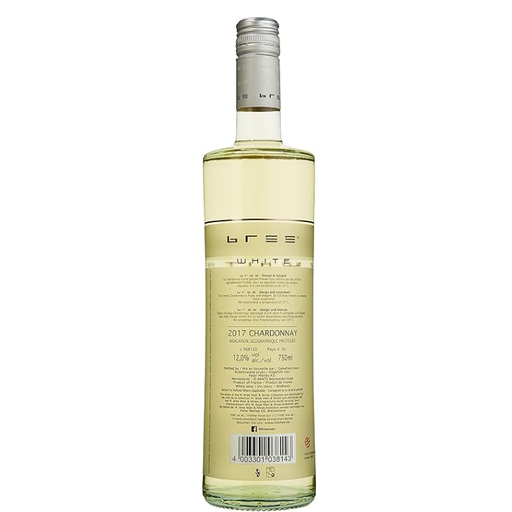
Why it's a great fit: Ideal for anyone who enjoys a regular glass of wine and values convenience and excellent value for money. Perfect for social gatherings or for keeping a ready supply in the kitchen.
This bag-in-box wine solves the problem of wine waste. Instead of opening a bottle, you just pour the amount you need, and the rest stays fresh for weeks. This is more economical than any supposed bottle deal.
Long shelf life after opening thanks to the airtight packaging. Easy and precise pouring with the integrated tap.
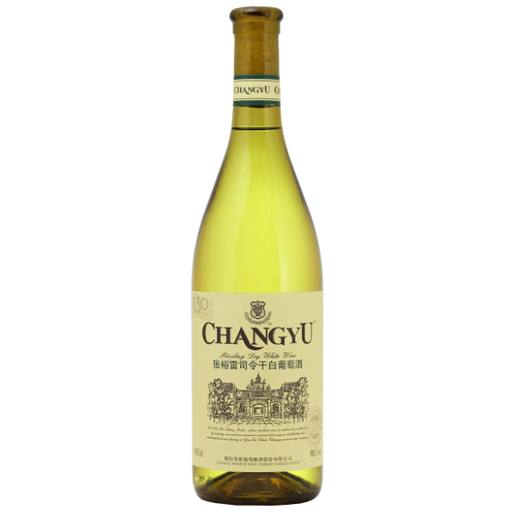
Why it's a great fit: For curious wine drinkers who want to experience a familiar grape variety in a new interpretation. This wine demonstrates how China's terroir influences the classic Riesling.
The product description provides precise aroma profiles, such as floral perfume, peach, and lemon. This is far more informative than a vague description and sets a clear expectation of the flavour.
A clearly defined, fresh flavour profile with no oak influence. An exciting alternative to European Riesling.
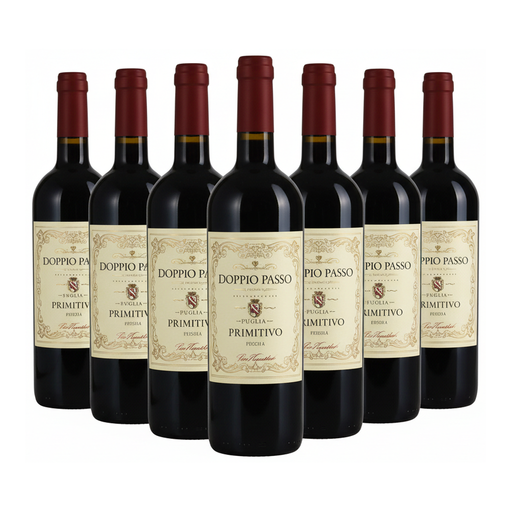
Why it's a great fit: For anyone looking for an intense, fruit-forward, and smooth red wine. This Primitivo from Puglia is a classic pairing for hearty meals or for enjoying on its own in the evening.
The Puglia IGT designation of origin and the Primitivo grape variety are clear hallmarks of quality. The description of the production method (harvesting in two stages) explains the wine's complex character and goes beyond generic platitudes.
Intense aromas of blackberry and cherry. A soft, rounded tannin structure. The 6-bottle case offers a price advantage for stocking up.
We have curated a complete, up-to-date list of products that fully meet these strict selection criteria and comply with German regulations.
A major advantage of bag-in-box wine is its shelf life. Because no air enters the inner bag when you pour, the wine's oxidation is significantly slowed. If stored in a cool place, the wine will typically stay fresh and stable in flavour for four to six weeks after its first opening.
Sulfites (sulfur dioxide) are sulfur compounds used in winemaking as a preservative to protect the wine from oxidation and microbial spoilage. A small amount of sulfites also occurs naturally during fermentation. The notice is a legally required allergen warning for sensitive individuals. Almost all wines contain sulfites.
A fundamental rule is: only cook with a wine you would also be happy to drink. Using a cheap, low-quality cooking wine can negatively affect the flavour of a dish. A simple, dry white wine (like a Pinot Grigio or Sauvignon Blanc) or an uncomplicated, dry red wine (like a Merlot) is usually a good choice. For Asian cuisine, there are also special rice wines, such as Luhua Natural Aromatic Cooking Rice Wine, which are specifically used for aromatisation and flavour enhancement.