
Lieferung heute & morgen

Qualitätsgarantie

Willkommens-Angebote freischalten: KOSTENLOSE Lieferung | Bis zu 80 % RABATT | Kostenlose 30-Tage-JoyPlus-Testphase
App herunterladen
If you want to buy wine online, you can conveniently choose between red wine, white wine, rosé wine, sweet wine and aperitifs. At the same time, online shopping means missing out on the aromas, flavours and personal advice you would receive in a shop. This can lead to common purchasing mistakes: a seemingly inexpensive wine may not suit the occasion, its sweetness may be misjudged or the quantity ordered may be impractical for your household.
This buying guide explains which details matter before placing your order and which choices suit different drinking habits.
Terms such as “fruity”, “aromatic” or “mild” do not automatically describe the sweetness level. A dry white wine can have citrus or peach aromas and still contain very little residual sugar. Conversely, a medium-sweet wine can taste noticeably sweeter, even if it is marketed as light or fresh.
You should therefore look for specific descriptions such as dry, medium-dry, medium-sweet or sweet. If you want to buy red wine online, take particular care to distinguish between a medium-dry red wine and a sweet red wine blend.
“Italian wine”, “German wine” or “French wine” initially describes only the wine’s origin. Grape variety, region and maturation are also important for assessing its flavour. A Riesling from the Palatinate cannot automatically be compared with a Chardonnay from Italy. With red wine, varieties such as Dornfelder, Cabernet Blanc or Nero d’Avola can produce very different flavour profiles.
A 6-bottle wine pack containing six bottles of 0.75 litres each amounts to 4.5 litres in total. This can be practical for parties, regular dinner occasions or stocking up. For occasional drinkers, however, a smaller quantity is often more suitable. Also check your storage space, the type of closure and how long you plan to drink the wine after opening.
The sweetness level affects whether a wine is better suited as an aperitif, with a main course or with dessert. A dry wine often works well with savoury dishes, while sweet wine can be paired with fruit desserts, mild cheese or spicy food. Acidity influences how fresh the wine tastes, while the alcohol content helps you assess its intensity.
Examples from the selection:
The description “wine with fish and meat” is only helpful if the specific dish is considered. Light white wines often pair well with salads, seafood or mild poultry. Full-bodied red wines can be chosen to accompany pasta with a rich sauce, red meat or mature cheese. Sweet wines complement desserts, Asian dishes and spicy cheeses.
Pay attention to the specific recommendation in the product profile. For example, Maybach Cabernet Blanc is recommended with salads and fish, while Villa Italia Nero d’Avola is suggested with pasta, lamb, grilled meat and medium-mature cheese.
With a 6 x 0.75 l wine pack, make sure that the total quantity of 4.5 litres is suitable for your household. Store unopened bottles in a cool, dry and preferably dark place. Reseal opened wines and, depending on the product, consume them within a few days.
For people with intolerances, the ingredients and allergen information is important. Most of the wines featured contain sulphites. Products labelled as organic wine or vegan wine should be selected based on the relevant product information. The Maybach Cabernet Blanc is explicitly described as both organic and suitable for vegans.
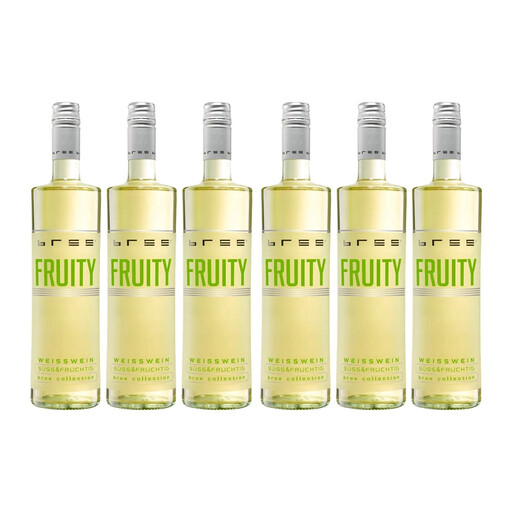
Why this product suits this profile: The 6-bottle pack contains six 0.75-litre bottles for sociable evenings and keeping a stock at home. Its sweet, fruity style is ideal for shoppers who prefer a mild white wine.
The specific description “sweet and fruity” prevents fruitiness from being mistaken for a dry taste.
6 x 0.75 l, 9 % vol. and a recommended serving temperature of 8–10 °C.
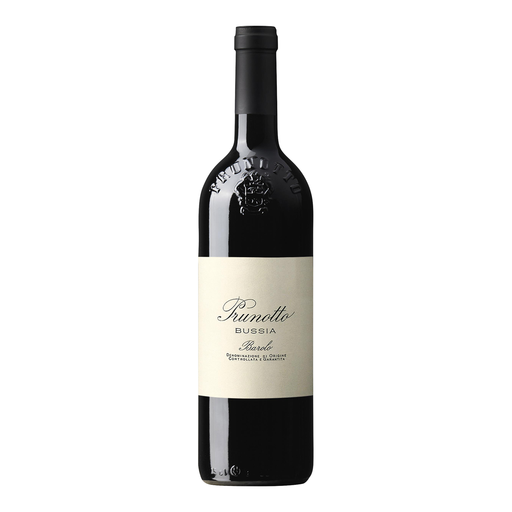
Why this product suits this profile: The single 0.75-litre bottle is suitable for a planned dinner or as a gift when origin, grape variety and maturation matter more than buying a large pack.
The Piedmont region, DOCG classification, Nebbiolo grapes and 18 months of barrel ageing are all clearly stated.
14 % vol., natural cork and a recommended ageing potential of 15–20 years according to the product information.
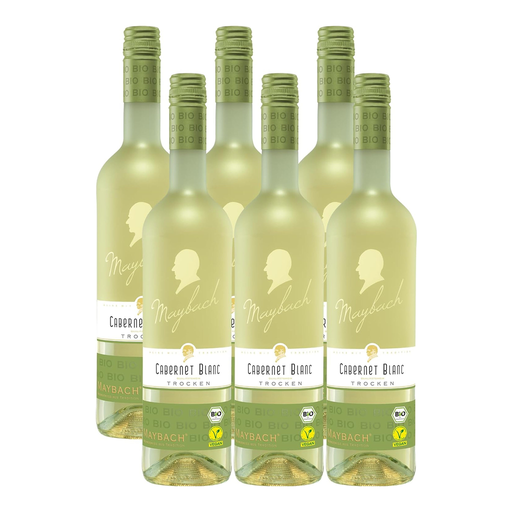
Why this product suits this profile: The product information confirms that it is organic and suitable for vegans, as well as being a dry wine. The 6-bottle pack is ideal for households that regularly serve white wine.
Organic, vegan, dry and 11.5 % vol. are given as specific product characteristics rather than being conveyed only through general marketing terms.
Kiwi, citrus and blackcurrant aromas; recommended with salads and fish at 8–10 °C.
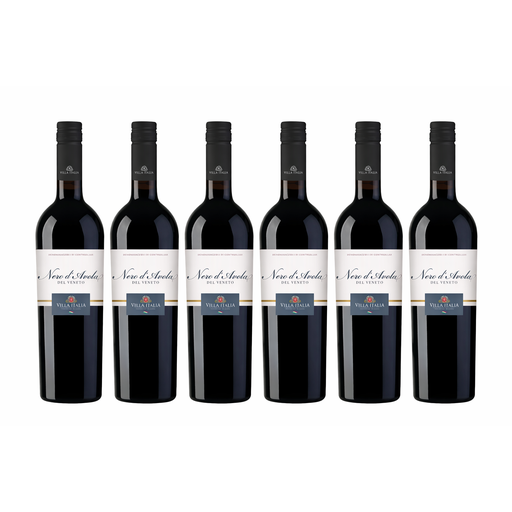
Why this product suits this profile: This Italian red wine is available as a 6-bottle pack and is aimed at households that regularly serve wine with pasta, meat or cheese.
Sicily, Nero d’Avola, Sicilia DOC and 12.5 % vol. make the wine’s origin, grape variety and intensity easy to understand.
6 x 0.75 l, screw cap and recommended pairings with pasta, lamb, red meat and cheese.
We have put together a complete, regularly updated list of products that fully meet these strict selection criteria and the safety regulations applicable in the EU.
The sweetness information and, where available, the residual sugar content are key. “Fruity” describes the aroma, not necessarily the sweetness. For a clear choice, filter for “dry”, “medium-dry”, “medium-sweet” or “sweet”.
This depends on the type of wine, the closure and how it is stored. Seal the bottle tightly and keep it somewhere cool. Many product descriptions recommend drinking opened wine within two to four days. For aperitifs such as Lillet Rosé, follow the manufacturer’s instructions; cool storage is recommended after opening.
Check the bottle size, total quantity, delivery conditions and age verification requirements. In Germany, wine may not be supplied to anyone under the age of 16. Alcoholic drinks are not suitable for children or pregnant women. Sulphites should also be taken into account in the ingredients and allergen information.