
Lieferung heute & morgen

Qualitätsgarantie

Willkommens-Angebote freischalten: KOSTENLOSE Lieferung | Bis zu 80 % RABATT | Kostenlose 30-Tage-JoyPlus-Testphase
App herunterladen
Anyone looking to buy wine online will quickly find many offers with similar descriptions. However, price alone says little about whether a bottle suits your personal taste, your meal or the quantity you need. What matters are clear details about the type of wine, flavour profile, grape variety, alcohol content, origin and pack size.
This guide is for adults looking for white wine, rosé wine or sparkling wine for everyday drinking, a meal, a barbecue, a celebration or a picnic.
A Riesling can be dry, medium-dry or sweet. A Chardonnay is not automatically full-bodied, and a Pinot Grigio can taste different depending on its origin and production method. The grape variety initially describes the grapes used, not the finished flavour on its own.
So also look out for details such as:
A 6-bottle pack of wine can be practical for regular gatherings or a celebration. For occasional enjoyment, however, a single 0.75-litre bottle is often easier to manage. A 3-litre bag-in-box wine is more suitable for picnics, larger groups or households that drink wine regularly.
Once opened, wine changes when it comes into contact with oxygen. Depending on the variety and storage conditions, an opened bottle of still wine should generally be consumed within a few days. With bag-in-box packaging, the tap usually protects the remaining contents from contact with air more effectively. The manufacturer’s specific guidance on shelf life after opening remains decisive.
Organic wine must be labelled in accordance with the applicable requirements for organic wine production. With vegan wine, it is relevant whether the wine was made without animal-derived fining agents. Terms such as “sustainable” or “modern” are no substitute for specific product information.
Therefore, check:
If you are looking for a fruit-forward, approachable wine, you might consider sweet white wine or a medium-dry rosé. Dry white wine contains less residual sugar and often pairs well with savoury dishes. Acidity affects how fresh a wine tastes. Riesling and Sauvignon Blanc are often associated with lively acidity, while Chardonnay can appear softer or more full-bodied depending on how it is made.
Rosé wines range from dry to sweet. A sweet Grenache rosé can work well with mild dishes or sociable occasions, while a dry rosé can be paired with salads, fish or grilled dishes.
German wine includes varieties such as Riesling, Pinot Gris, Pinot Blanc and Chardonnay. Italian wine, for example, is represented by Pinot Grigio and Frizzante. French wines can be found among rosé, Secco and sparkling wines. Vinho Verde from Portugal is typically light and fresh, and is often served well chilled as an aperitif or with seafood.
Origin alone is not a guarantee of quality, however. Always compare the specific product description, alcohol content, flavour profile and intended use.
A 0.75-litre bottle holds approximately five to six glasses, depending on the serving size. This makes it easier to estimate requirements for celebrations. A screw cap allows for easy opening and resealing. Many white and rosé wines are best served at between 8 and 12 °C, while sparkling wines are usually served well chilled.
With alcoholic drinks, you must also take note of allergen information relating to sulphur dioxide and sulphites. Wine is not suitable for children or pregnant women. In Germany, wine and beer may generally be sold to people aged 16 and over; retailers may request proof of age.
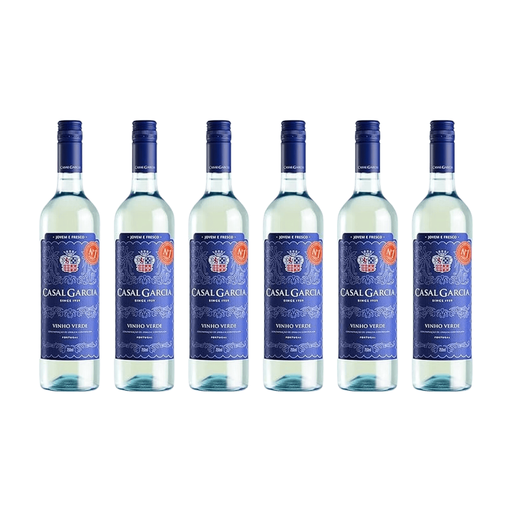
Why this product suits the profile: This medium-dry white wine from Portugal is offered in a 6-bottle pack, making it suitable for beginners looking for several bottles for social gatherings.
The product details clearly state the flavour profile, grape varieties, alcohol content, origin and serving temperature. This makes it easier to match the choice to the occasion.
6 × 0.75 litres, 9.5 % vol. and a serving temperature of 8–10 °C; suitable for seafood, salads and sushi.
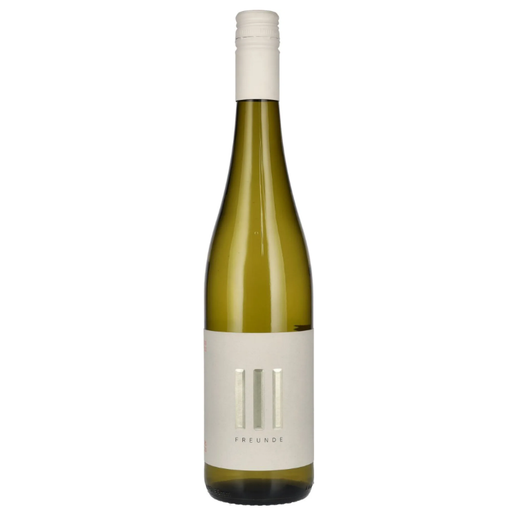
Why this product suits the profile: The individual bottle comes with detailed information about the Riesling, acidity, residual sugar, alcohol content and food pairings.
The description “dry” is supported by specific values of 6.6 g/l acidity and 8.7 g/l residual sugar.
100% Riesling, 12.5 % vol., screw cap and a recommended serving temperature of 10–12 °C.
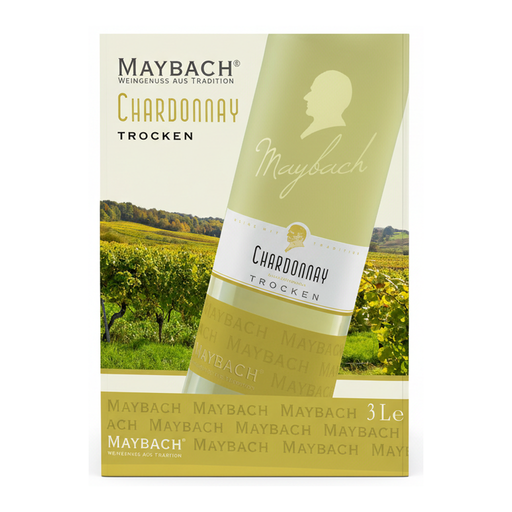
Why this product suits the profile: The 3-litre bag-in-box is designed for picnics, parties and households that regularly drink wine.
The packaging type, quantity, grape variety and flavour profile are clearly stated. This reduces the risk of ordering an unsuitable quantity of wine.
3 litres, Chardonnay, dry, 12 % vol. and tap; suitable with salads, fish and light meat dishes.
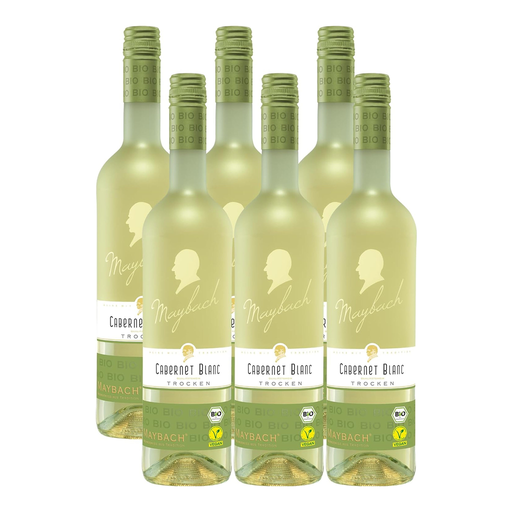
Why this product suits the profile: This dry white wine combines an organic claim with explicit vegan labelling and is offered in a 6-bottle pack.
The product details list information about its organic status, vegan suitability, alcohol content, ingredients and sulphites, allowing you to check these before buying.
6 × 0.75 litres, 11.5 % vol., dry style and a recommended serving temperature of 8–10 °C.
We have put together a complete, regularly updated list of products that fully meet these strict selection criteria and the safety regulations applicable in the EU.
Start with the flavour profile: dry, medium-dry or sweet. Refine your search by adding the grape variety, origin and occasion. A dry Riesling or Sauvignon Blanc can pair well with lighter dishes, while a sweet white wine or sweet rosé often has a more fruit-forward character. Details about residual sugar and acidity can help you assess the wine more precisely.
This depends on the type of wine, closure and storage conditions. After opening, still wine should be resealed and stored in a cool place. Rosé and white wine are often consumed within one to three days. For bag-in-box wine, follow the relevant manufacturer’s guidance; the contents may remain usable for several weeks after opening if the tap is used correctly and the packaging is stored in a cool place.
This can only be assessed by comparing the price per litre or per bottle. Also compare delivery costs, alcohol content, pack size and your expected consumption. A 6-bottle pack can be cost-effective for celebrations, but if you drink wine rarely, individual bottles may be a better fit.