
Lieferung heute & morgen

Qualitätsgarantie

Willkommens-Angebote freischalten: KOSTENLOSE Lieferung | Bis zu 80 % RABATT | Kostenlose 30-Tage-JoyPlus-Testphase
App herunterladen
Anyone looking to buy wine online will quickly find a wide selection of red wine, white wine, rosé, Champagne, sparkling wine and alcohol-free alternatives. This variety makes comparison easier, but it can also lead to unsuitable purchases. As a Joybuy Product Recommendation Officer, I therefore filter relevant product details and assess them according to practical buying criteria – without relying solely on advertising claims.
Terms such as “refined”, “full-bodied” or “aromatic” describe an expected impression, but they do not replace verifiable information. Important details include grape variety, origin, alcohol content, residual sugar, acidity, maturation and bottle size. Without this information, comparing products is difficult.
A six-bottle case of wine may appear cheaper per bottle, but it requires more storage space and ties up a larger budget. Buyers should also check delivery costs, minimum order quantities and delivery conditions. When buying a wine gift, it is also important to confirm whether a single bottle or a multi-bottle pack will actually be delivered.
Alcohol-free wine is not automatically the same as alcohol-free sparkling wine. Wine cocktails and sparkling wines can also have a significantly different alcohol content. Before ordering, check the statement “alcohol content in % vol”. Products labelled “0.0” and products labelled “less than 0.03%” are not identical.
Legal age restrictions apply to alcoholic drinks. Alcoholic drinks should be avoided during pregnancy. Allergens such as sulphites must also be taken into account.
The grape variety provides an initial indication of the flavour:
Origin designations such as DOCG, DOC or IGT are legal categories with different requirements. They are not a blanket assessment of quality, but they do help classify the origin and production rules.
Alcohol content affects the perception of body and warmth, but it is not the only measure of quality. Flavour is also shaped by residual sugar and acidity. For example, a semi-dry or sweet sparkling wine may contain more residual sugar than a dry Brut.
For alcohol-free products, it is worth checking the precise declaration:
A 0.75-litre bottle is the standard format. Six bottles generally make up a six-bottle case of wine. Wine should be stored in a cool, dry place away from light, ideally at a consistently stable temperature. Sparkling wines are usually served well chilled; with still wine, the serving temperature depends on the style and grape variety.
Once opened, white wine, rosé or alcohol-free wine should be chilled and consumed promptly. A suitable stopper can help slow the loss of carbonation from sparkling wine.
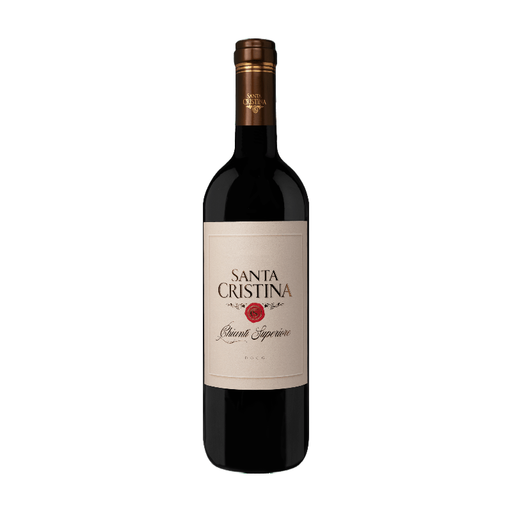
Why this product suits this profile: This red wine from Tuscany has a clearly stated origin, an alcohol content of 13.5 % vol and a 0.75-litre bottle. The red fruit aromas and soft tannins described make it an easy choice for beginners.
The product page states the grape variety, origin, bottle size, closure and allergens. This makes comparison more specific than a description based solely on flavour impressions.
DOCG origin designation, 0.75-litre format and 13.5 % vol alcohol.
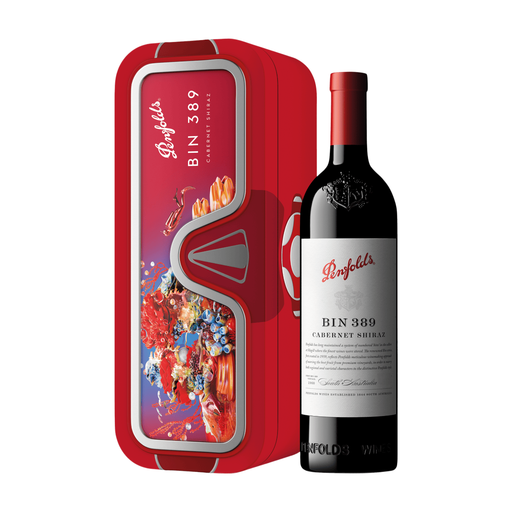
Why this product suits this profile: According to the product description, this blend of Cabernet Sauvignon and Shiraz was matured for twelve months in American oak. Details of the alcohol content, acidity and grape varieties allow for a precise assessment, whether for dinner or as a wine gift.
Rather than making an unsupported quality claim, the focus is on the blend composition, maturation period and manufacturer information.
53% Cabernet Sauvignon, 47% Shiraz and twelve months of cask maturation according to the product data.
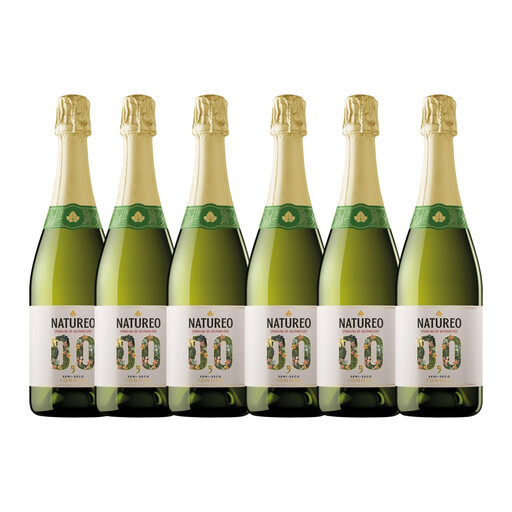
Why this product suits this profile: This Spanish alcohol-free sparkling wine is offered in a six-bottle case, with 0.75-litre bottles. The product details state 0.0% alcohol, a semi-dry classification and 26 kcal per 100 ml.
The 0.0% alcohol content is clearly stated. The product also lists residual sugar, acidity, ingredients and sulphites.
0.0% alcohol according to the product details and six bottles per case.
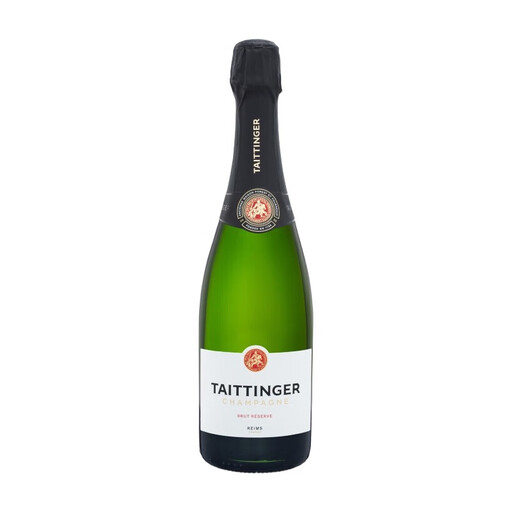
Why this product suits this profile: This French Champagne is made from Chardonnay, Pinot Noir and Pinot Meunier. The recommended serving temperature of 6–8 °C is well suited to a drinks reception, meal or special occasion.
The designation Champagne indicates the region of origin. The grape varieties, alcohol content of 12.5 % vol and ingredients are stated.
Bottle fermentation, 0.75-litre bottle and stated blend of grape varieties.
We have put together a complete, regularly updated list of products that fully meet these strict selection criteria and the safety regulations applicable in the EU.
For a hearty meal, structured red wines such as Cabernet Sauvignon, Chianti or Barolo are good options. White wine or rosé often pairs well with fish, lighter dishes and warm days. For a drinks reception, Sekt, Champagne or Trentodoc varieties are natural choices. If you want to avoid alcohol, you can choose between alcohol-free wine and alcohol-free sparkling wine.
When buying a gift, also check:
Whether delivery to your preferred address is possible depends on the individual retailer, stock levels and delivery conditions. Before buying, check the delivery time, delivery costs and age verification requirements.
This depends on the type of wine, closure and storage conditions. Red wine may remain enjoyable for anything from less than a day to several days, while white wine and rosé should be stored in the fridge. Opened sparkling wine usually loses its carbonation more quickly. The product information, along with your own sense of smell and taste, should guide your decision.
Not every designation means exactly the same thing. Some products are labelled 0.0%, while others are marked as containing a very low residual amount, such as less than 0.03%. If you want to avoid alcohol completely, check the precise statement on the label and in the product description.