
Lieferung heute & morgen

Qualitätsgarantie

Willkommens-Angebote freischalten: KOSTENLOSE Lieferung | Bis zu 80 % RABATT | Kostenlose 30-Tage-JoyPlus-Testphase
App herunterladen
Anyone looking to buy wine online will quickly find a wide selection from Germany, France, Italy, Portugal and Spain. At the same time, inconsistent taste descriptions, different bottle sizes and incomplete product information can make comparisons difficult. That is why our selection focuses on clear, practical criteria such as sweetness, grape variety, alcohol content, origin, format and serving temperature.
Descriptions such as “fruity”, “velvety” or “harmonious” only give a general impression of a wine’s style. More precise details are far more useful when making a purchase: dry, medium-dry or sweet, residual sugar, acidity, alcohol content and recommended food pairings. Without this information, it can be difficult to judge whether a wine will suit a dinner, barbecue or aperitif.
A six-bottle wine pack may seem attractively priced at first glance. However, the key figure is the price per 0.75 litres. With wine in a 3-litre box, you should also check how much wine it actually contains and whether the packaging can be stored conveniently after opening. A box is practical for parties or picnics, while individual bottles offer more choice when guests have different preferences.
A wine made from a particular grape variety does not automatically come from the well-known growing region associated with it. A Merlot, for example, may come from France or Italy and can vary considerably depending on the region. “Prosecco Rosé”, Secco and sparkling wine are also not interchangeable terms. When buying Sekt and Prosecco, you should consider the designation of origin, taste profile and alcohol content together.
The way a wine tastes is also influenced by its acidity and alcohol content. A Riesling with lively acidity can seem dry despite its fruity aromas. That is why you should not focus on individual taste descriptors alone.
When searching for red wine online, relevant options include Merlot, Nero d’Avola and Bordeaux blends. Merlot is often described as having softer tannins and berry aromas, while Nero d’Avola is associated with dark fruit and Mediterranean spice in many wines from Sicily.
Anyone looking to buy white wine online can choose between Riesling, Chardonnay, Sauvignon Blanc and Vinho Verde. Riesling is often associated with citrus and stone-fruit aromas, while Chardonnay can be fuller-bodied and rounder depending on how it is produced. Vinho Verde from Portugal is often lighter and has a lower alcohol content. The specific product description remains the deciding factor.
Organic wine and vegan wine should also be selected based on the labelling on the product page or packaging. Maybach Cabernet Blanc is labelled as suitable for organic and vegan diets. Allergens such as sulphur dioxide and sulphites are listed for several of the wines featured and should be taken into account if you have a relevant sensitivity.
A six-bottle pack is suitable for households that regularly serve wine, as well as for hosts. A 3-litre box can be practical for larger gatherings, but after opening it requires a suitable, cool place for storage. As a general rule, unopened bottles should be stored in a cool, dry place away from direct sunlight.
Serving temperature affects the taste:
After opening, wine should be resealed and consumed promptly. The specific instructions on the label or product page take precedence.
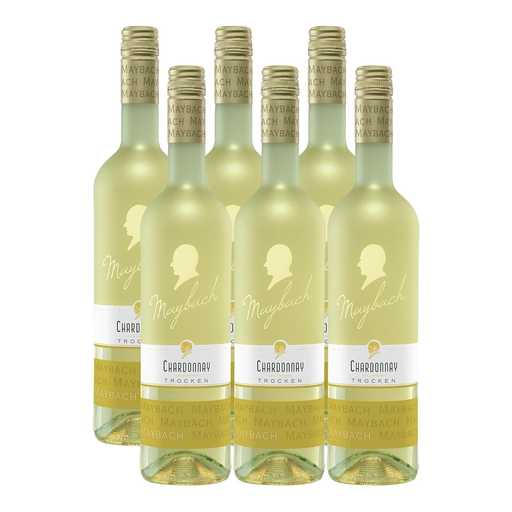
Why this product suits this profile: This dry German Chardonnay comes in a six-pack of 0.75-litre bottles and is ideal for regular meals featuring fish, salads or white meat.
The sweetness, origin, alcohol content of 12 % vol. and serving temperature of 10–12 °C are all clearly specified.
Six bottles, German origin, dry style and screw cap.
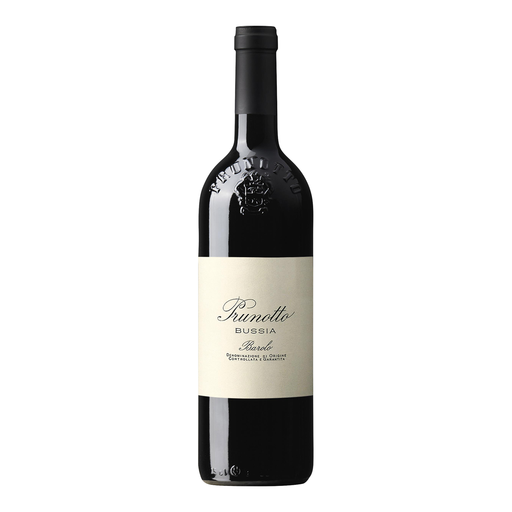
Why this product suits this profile: This Italian Barolo from Piedmont is aimed at shoppers who want to take the designation of origin, Nebbiolo grape variety and longer-term ageing potential into account.
The DOCG classification, vintage information on the product and 14 % vol. provide a clearer indication than marketing language alone.
18 months of barrel ageing, natural cork and a recommended decanting time according to the product information.
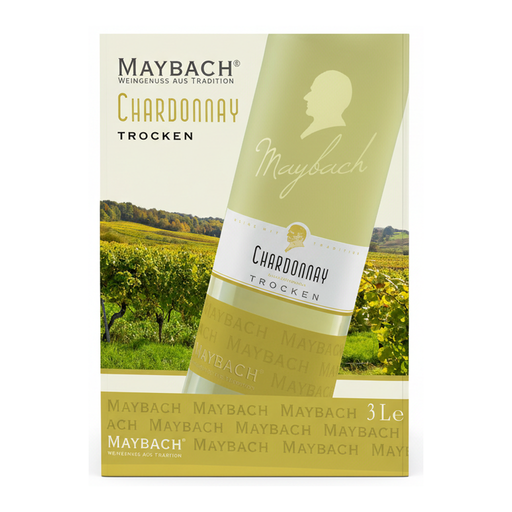
Why this product suits this profile: The 3-litre box with tap is ideal for parties, picnics and households where larger quantities are served.
The volume, packaging type, dry style and storage instructions are all clearly stated.
3 litres, tap, 12 % vol. and a recommended serving temperature of 10–12 °C.
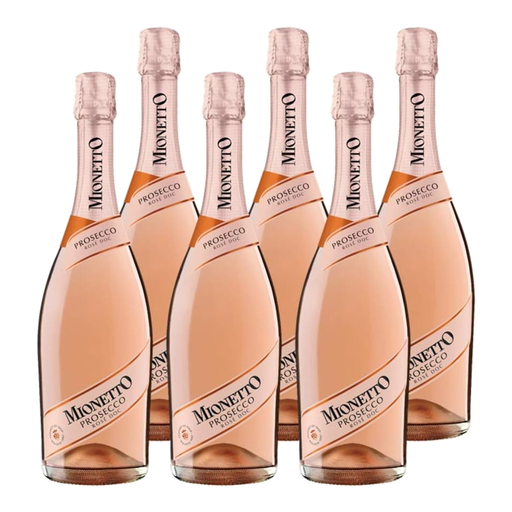
Why this product suits this profile: This Italian Prosecco Rosé in a six-pack pairs well with aperitifs, finger food, seafood and risotto.
The DOC origin, grape varieties, Extra Dry taste profile and serving temperature are all stated.
Six 0.75-litre bottles, 11 % vol. and recommended chilling to 6–8 °C.
We have put together a complete, regularly updated list of products that fully meet these strict selection criteria and the safety regulations applicable in the EU.
Start by comparing the price per litre, followed by sweetness, alcohol content, origin, grape variety and format. If you are buying several bottles, you should also check delivery terms and availability. Product images can support your choice, but they are no substitute for the information on the label.
This depends on the type of wine, the closure and how it is stored. White and rosé wine should be resealed after opening, stored in the fridge and generally drunk within a few days. Red wine should also be resealed and stored in a cool, dry place away from light. The manufacturer’s specific recommendation is the deciding factor.
Light white and rosé wines are often served chilled, while fuller-bodied red wines are usually served at around 16–18 °C. Sparkling wine such as Prosecco Rosé generally requires more thorough chilling. The temperature stated on the relevant product page should take precedence.