
Lieferung heute & morgen

Qualitätsgarantie

Willkommens-Angebote freischalten: KOSTENLOSE Lieferung | Bis zu 80 % RABATT | Kostenlose 30-Tage-JoyPlus-Testphase
App herunterladen
Anyone looking to buy wine online will quickly find an extensive selection from Germany, France, Italy, Spain and other wine-growing regions. However, price alone says little about whether a bottle suits your personal taste, menu or occasion. Key factors include clear information on grape variety, origin, sweetness level, alcohol content, volume and pack size.
This buying guide from the Joybuy Product Recommendation Officer helps you avoid common purchasing mistakes and compare red and white wines systematically.
A dry wine contains only a small amount of residual sugar. That does not automatically mean it will taste mild or low in acidity. Riesling and Sauvignon Blanc, in particular, can be dry while also tasting distinctly fresh and vibrant. If you prefer a softer style, you should also consider the grape variety, origin and product description.
A six-bottle pack may initially appear more expensive than a single bottle. The correct comparison, however, is based on the price per 0.75 litres. For larger households, celebrations or regular enjoyment, 6 x 0.75 litres can be a practical choice. For a one-off occasion, a single bottle is often sufficient.
Bag-in-box wine in a 3-litre format can also be a sensible option for celebrations or picnics. After opening, follow the specific shelf-life information provided by the manufacturer. Packaging is primarily a decision about quantity and convenience, not a universal indicator of quality.
German, Italian, French and Spanish wines do not differ solely because of their country of origin. Grape variety, climate, winemaking, vintage and producer also influence the style. Rioja is typically made from Tempranillo, while Barolo is based on Nebbiolo. These details can help establish certain expectations, but they do not provide a blanket assessment of every individual wine.
The grape variety offers an initial point of reference:
Check whether the product data explicitly states “dry”, “off-dry”, “medium-sweet” or “sweet”. Marketing terms such as “fruity” are not a substitute for precise sweetness information.
Alcohol content is stated as a percentage by volume. Among the wines considered here, the values range, for example, from 10 to 14% vol. A higher alcohol content does not automatically mean a more powerful flavour, but it can influence the wine’s overall impression.
Where available, residual sugar and acidity can help provide a more accurate assessment. The III Freunde Pinot Gris, for example, is listed with 8.0 g/l of residual sugar and 6.0 g/l of acidity, and is described as dry. The III Freunde Riesling has 8.7 g/l of residual sugar and 6.6 g/l of acidity. Such figures are more useful than vague descriptions such as “pleasant” or “harmonious”.
Before buying, check the following:
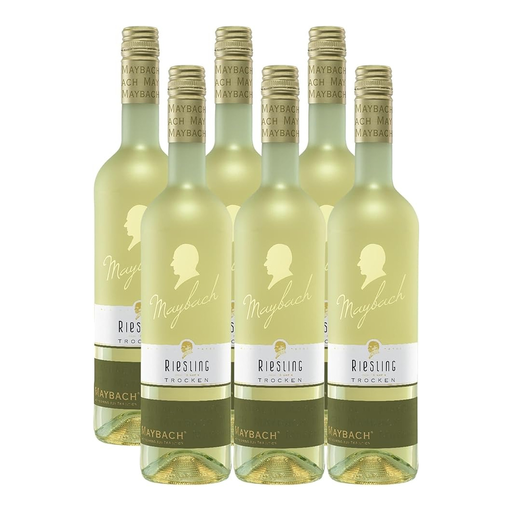
Why This Fits Their Persona: This six-bottle pack from the Palatinate provides a predictable quantity for regular meals and sociable evenings. The wine is described as dry and fruity, with an alcohol content of 12% vol.
The pack size is clearly stated, preventing comparisons based solely on the price per bottle.
Six 0.75-litre bottles; recommended serving temperature of 10–12°C; sulphites declared.
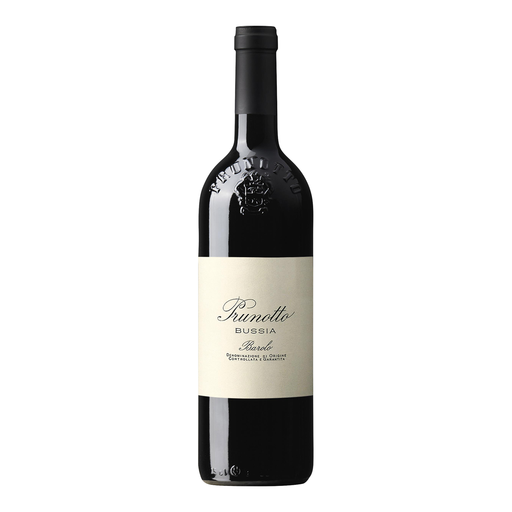
Why This Fits Their Persona: This Italian Barolo from Piedmont is aimed at buyers who deliberately compare appellation, the Nebbiolo grape variety and ageing periods.
The product data specifies 18 months of barrel ageing, 14% vol. and a recommended decanting period.
0.75-litre bottle; Nebbiolo from Bussia; contains sulphites; follow the recommended ageing potential stated in the product information.
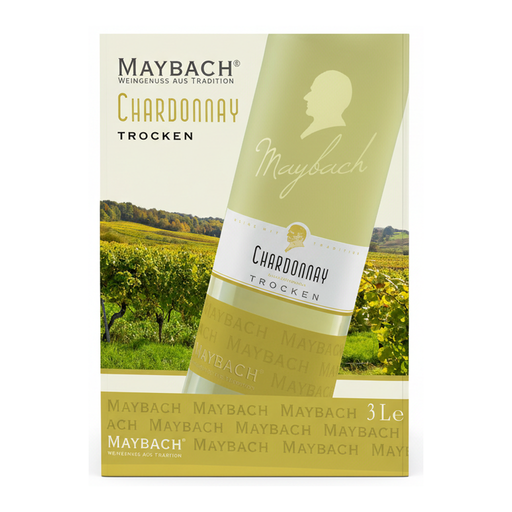
Why This Fits Their Persona: The 3-litre bag-in-box format is designed for celebrations, picnics and larger gatherings where several glasses will be served.
The total volume and packaging format are clearly stated, making it easier to calculate requirements before an event.
3 litres; tap dispenser; dry Chardonnay from Germany; well suited to salads, fish and light meat dishes.
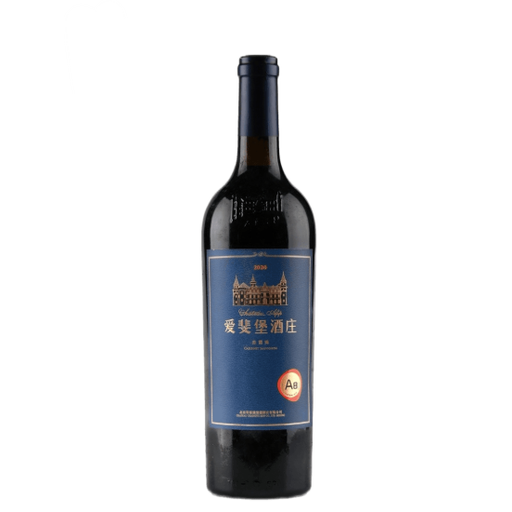
Why This Fits Their Persona: This Chinese Cabernet Sauvignon red wine, with 14% vol. and a fuller structure, pairs well with grilled meat, braised dishes and mature cheese.
The product information lists the grape variety, more than 16 months of ageing in French oak, alcohol content and serving temperature.
750 ml bottle; dry Cabernet Sauvignon; serving temperature of 16–18°C; sulphites and possible traces of egg declared.
For wine with meat and fish, the following guidelines provide a useful starting point:
For a wine gift, the grape variety, origin and packaging should suit the recipient. For a celebration, a six-bottle pack or bag-in-box option is often easier to plan than buying several individual bottles. In Germany, wine may not be supplied to anyone under the age of 16; age verification may be required when ordering and at delivery. Pregnant women should avoid alcoholic beverages.
Compare the full selection by origin, grape variety, vintage, pack size and flavour profile.
First compare the price per litre, then consider grape variety, origin, sweetness level, alcohol content and pack size. Product images do not always show the full contents or the number of bottles included.
This depends on the type of wine, closure and storage conditions. After opening, reseal the bottle and store it in a cool place. The information on the relevant product page is authoritative. For bag-in-box wines, the manufacturer may specify a longer period of use after opening.
White wine is often served at around 8–12°C, while red wine is generally served at 16–18°C. The specific recommendation on the label or in the product data should take precedence. Celsius readings help ensure that the wine is neither too warm nor too cold when served.