
Lieferung heute & morgen

Qualitätsgarantie

Willkommens-Angebote freischalten: KOSTENLOSE Lieferung | Bis zu 80 % RABATT | Kostenlose 30-Tage-JoyPlus-Testphase
App herunterladen
Anyone looking to buy a coffee machine faces a wide range of options: bean-to-cup machines, capsule machines, pod machines, espresso machines and classic filter coffee makers. The right choice depends less on attention-grabbing marketing claims than on drinking habits, available space, cleaning requirements and ongoing costs.
Espresso machines are often advertised with 15 or 20 bar of pressure. This figure usually refers to the pump’s maximum pressure—not necessarily the pressure applied to the coffee grounds throughout the entire extraction. Portafilter size, temperature control, grind setting and ease of use are therefore also important when choosing a machine.
A bean-to-cup machine with numerous recipes is not automatically suitable for every household. Anyone who mainly drinks black coffee may not need a complex milk system or app control. More features also often mean more components that need to be cleaned and maintained.
With a capsule machine, capsule prices and disposal contribute to ongoing expenses. A pod machine requires compatible coffee pods, while a filter coffee maker relies on paper filters and ground coffee. A bean-to-cup machine also requires beans, water filters, cleaning tablets and descaler. Monthly consumption should therefore be taken into account before buying.
The tank capacity should match your daily consumption. 0.6 to 0.9 litres is often sufficient for individuals, while families or small offices may benefit from 1.2 to 1.8 litres. A large tank reduces the need for refilling, but it takes up more space and should be emptied and cleaned regularly.
Also check the machine’s width, depth and height. A compact coffee machine may be ideal for a small kitchen, but it must not obstruct cabinet doors or access to the water tank. Machines with a bean hopper also require sufficient clearance above the unit for refilling.
Removable water tanks, dishwasher-safe components and removable brewing units make maintenance easier. Milk systems require particularly thorough cleaning after every use. The manufacturer’s instructions take precedence; descaling intervals depend, among other factors, on water hardness and frequency of use.
For operation in Germany, check for 220–240 volts, a suitable mains plug and German-language instructions. Automatic shut-off can help limit standby energy consumption. Hot surfaces, steam and freshly brewed coffee present a scalding risk—especially in households with children.
The following models cover a range of usage scenarios. The information is based on the respective product descriptions and technical specifications.
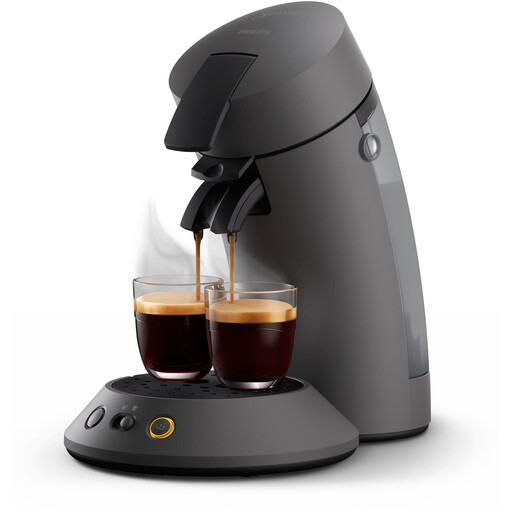
Why This Fits Their Persona: This pod machine is designed for singles, couples and small households that want to prepare a cup without grinding or measuring coffee.
The removable 0.7-litre water tank and dishwasher-safe pod holder reduce cleaning effort. The machine switches off automatically.
Brews two cups simultaneously; according to the product data, preparation takes 21 seconds for one cup and 60 seconds for two cups.
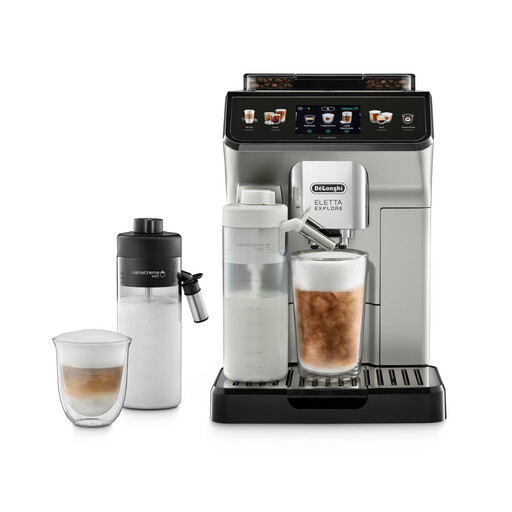
Why This Fits Their Persona: This bean-to-cup machine is suited to households that want to select a variety of hot and cold coffee and milk drinks from a single control panel.
Automatic cleaning, rinsing and descaling programmes help manage the maintenance demands of a sophisticated milk system. According to the product data, some removable components are dishwasher-safe.
1.8-litre water tank, 300-gram bean hopper, 13 grind settings and two milk systems for hot and cold beverages.
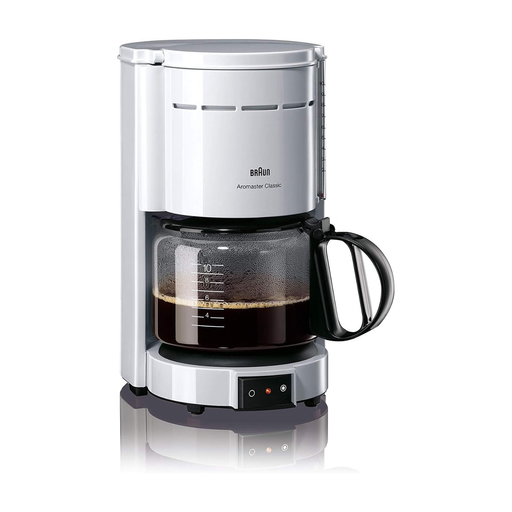
Why This Fits Their Persona: This filter coffee maker is ideal for several people who prefer classic filter coffee served from a carafe.
The ten-cup capacity is designed for larger quantities. Automatic shut-off after 40 minutes limits unattended keep-warm operation.
Drip stop allows coffee to be poured during brewing; removable filter basket and, according to the product specifications, dishwasher-safe components.

Why This Fits Their Persona: This machine combines espresso, filter coffee and cold brew preparation with an integrated grinder and milk frother.
The functions are clearly defined: 25 grind settings, four frothing options and a 1.5-litre capacity. This makes it easier to assess your actual needs before buying.
Integrated scales according to the product description; milk frother with hot, light, rich and cold foam settings.
We have compiled a complete, real-time list of products that fully satisfy these strict selection criteria and UK safety regulations.
For singles or couples, a compact capsule machine or pod machine with a small water tank is often sufficient. Anyone who wants to use different beans and adjust the strength can choose a compact espresso machine or a bean-to-cup machine with an integrated grinder. Countertop footprint, cup capacity and cleaning routine are the key considerations.
Service life depends on usage, water hardness, maintenance and the availability of replacement parts. Regular descaling according to the manufacturer’s instructions, emptying the drip tray and proper cleaning can help maintain reliable operation. Before buying, check the warranty terms, service address and availability of wear parts.
A filter coffee maker generally uses ground coffee and paper filters, making the cost per pot relatively easy to calculate. With capsule and pod machines, ongoing expenses depend on the price of the relevant system. A bean-to-cup machine can process larger quantities of beans for regular coffee drinkers, but it requires additional maintenance products. The right solution depends on consumption, preferred beverages and maintenance requirements.