
Lieferung heute & morgen

Qualitätsgarantie

Willkommens-Angebote freischalten: KOSTENLOSE Lieferung | Bis zu 80 % RABATT | Kostenlose 30-Tage-JoyPlus-Testphase
App herunterladen
Anyone looking to buy an electric motorcycle will find a wide range online, from electric motorcycles and electric mopeds to electric dirt bikes. At first glance, the range, motor power and top speed can often seem impressive. However, what really matters is whether the vehicle suits your intended use and complies with German regulations.
Figures such as “up to 80 km” or “up to 115 km” are usually measured under specific conditions. Rider weight, speed, hills, tyre pressure, temperature, load and riding style all have a significant impact on the electric range.
For commuters, the maximum stated figure is therefore not the only relevant factor. Check the following:
Allow a reserve, particularly in winter and when frequently riding at high speed.
An electric motorcycle with a COC comes with a Certificate of Conformity, or declaration of conformity. This document confirms that the specific vehicle corresponds technically to the approved type. However, it does not automatically replace insurance, a number plate, a driving licence or the required registration.
Before buying an electric motorcycle approved for road use, check the following:
An electric dirt bike may have a powerful motor, hydraulic brakes and full suspension, yet still be intended exclusively for private land or designated off-road tracks. According to the product information, the Yozma IN 10 and VIPCOO H3 are not approved for public roads, cycle paths or pavements.
High motor power is therefore not proof that a vehicle is road legal. The vehicle documents and approved configuration are what matter.
An L1e-B electric moped with a design-based top speed of 45 km/h is generally classified as a moped in Germany. For this type of 45 km/h e-scooter model, you will typically need an appropriate driving licence, third-party motor insurance, an insurance plate and a suitable helmet. Driving licence category AM may allow you to use it; check your individual requirements with the relevant authority in advance.
An L3e electric motorcycle, such as the LUYUAN MS90, belongs to a higher motorcycle category. With a stated top speed of 80 km/h and 3.0 kW of power, registration, an official number plate, third-party insurance and the appropriate motorcycle licence will generally be relevant in Germany.
The terms “electric moped” and “electric motorcycle” alone are therefore not sufficient. The classification stated in the COC is decisive.
The motor power should suit your intended use:
Pay attention to the difference between rated power, 15-/30-minute power and advertised peak power. For legal classification, the approved vehicle configuration is what counts, not simply the highest figure promoted in the advertising.
A battery with a higher voltage and capacity generally stores more energy. Capacity can be estimated using volts × ampere-hours = watt-hours. For example, a 60-V/20-Ah battery corresponds to around 1,200 Wh.
Other practical factors include:
Only use the specified charger, and do not continue charging batteries that are damaged or unusually hot.
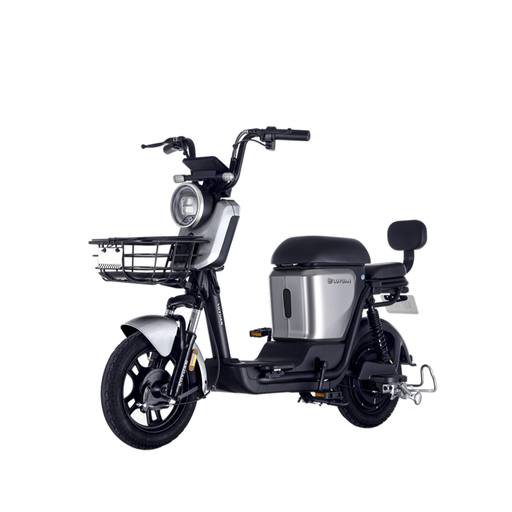
Why this product suits this profile: This compact L1e-B model is designed for short urban journeys and, according to the product details, features a 48-V/24-Ah lithium battery with a range of around 80–90 km under suitable conditions.
The product information specifies the approved 25-km/h version and the required documents. Before use, check the exact CoC configuration.
400-W motor, 48-V/24-Ah lithium battery, 14-inch tyres and compact dimensions.
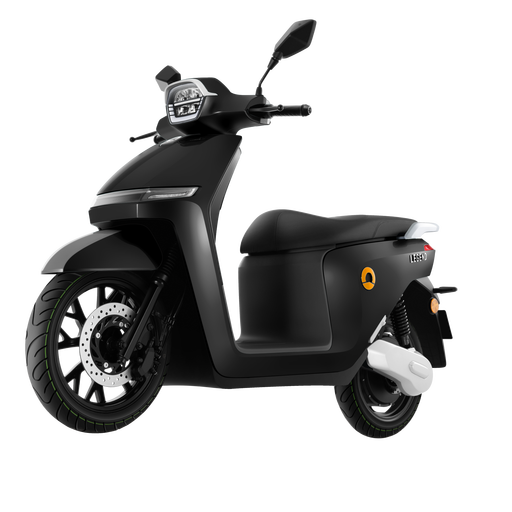
Why this product suits this profile: This L3e model is aimed at adults who need an electric motorcycle for commuting and value a COC, two-person seat and hydraulic disc brakes.
The COC, VIN and vehicle documents are listed as part of the delivery. Actual use still requires registration, insurance and the appropriate driving licence.
3,000-W motor, speeds of up to 80 km/h, stated range of up to 115 km and two seats.
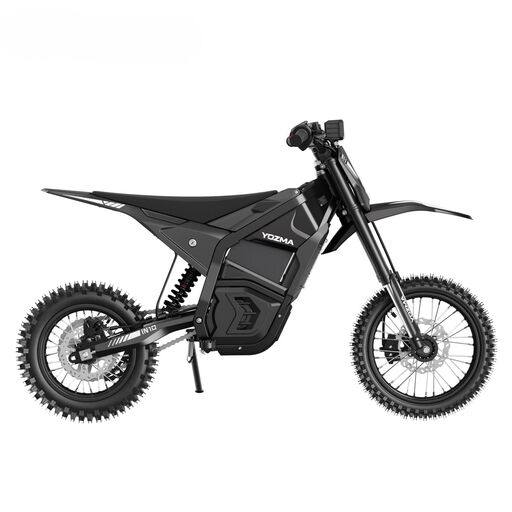
Why this product suits this profile: This electric dirt bike is intended for riders aged 16 and over on private land or designated off-road tracks, not for public roads.
The product information expressly states that it is for off-road use and is not approved for road use. This clearly distinguishes it from a road-going vehicle.
48-V/23.4-Ah battery, three riding modes, hydraulic brakes and suspension for uneven terrain.
We have put together a complete, regularly updated list of products that fully meet these strict selection criteria and the safety regulations applicable in the EU.
This depends on the vehicle class and its approved top speed. An L1e-B electric moped with a speed of 45 km/h typically falls within driving licence category AM. An L3e electric motorcycle with a top speed of up to 80 km/h will generally require an appropriate motorcycle licence, such as A1, A2 or A. Always check the COC and your personal driving licence entitlement.
The cost depends on the battery capacity, electricity tariff and charging losses. A battery rated at 60 V and 20 Ah stores around 1.2 kWh in theory. Due to charging losses, a full charge requires slightly more kilowatt-hours. The exact cost depends on your household electricity price and the actual amount of energy added.
It is not possible to guarantee a fixed service life. This depends, among other things, on charging cycles, temperature, storage, state of charge and usage. Use the original charger, avoid extreme heat and cold, and store the battery according to the operating instructions. Before buying, also check whether a replacement battery is available and what warranty terms apply to the battery.