
Lieferung heute & morgen

Qualitätsgarantie

Willkommens-Angebote freischalten: KOSTENLOSE Lieferung | Bis zu 80 % RABATT | Kostenlose 30-Tage-JoyPlus-Testphase
App herunterladen
If you want to buy Asian food online, you will quickly find a wide selection of spices, sauces, soup bases and staple ingredients. Product images often look similar, while the origin, ingredients list, heat level, pack size and storage requirements can vary considerably. For home cooks, families and lovers of Chinese, Korean, Thai or Indian cuisine, it is therefore worth taking a closer look before buying.
A large pack may initially appear to offer better value. However, less frequently used ingredients can remain open in the cupboard for a long time. This applies, for example, to galangal, spice blends and larger quantities of MSG Umami Spice. Conversely, small packs of ingredients used regularly for curries, soups or stir-fries often only last for a few dishes.
So do not compare just the total price. Also check the price per 100 g or 100 ml and your expected usage.
A Korean product is not automatically made in Korea. For example, Nongshim Red Pepper Powder Coarse describes gochugaru as Korean red pepper powder, while China is stated as the country of origin. If you are specifically looking for Korean food, you should therefore consider the brand, country of manufacture and country of origin separately.
The ingredients list is also important for Chinese seasonings such as Shaoxing rice wine: the Shaoxing Huadiao Wine offered contains glutinous rice, wheat and water, and has an alcohol content of at least 15% vol.
Soy sauce, fermented pastes and seasoning powders may contain soya, wheat, egg or celery. Doenjang Paste, for example, is made from water, soya beans, wheat, salt and fermented soya beans, and the product information states that it contains wheat and soya.
Storage instructions are also important for opened products. Many dried Asian spices need to be stored in a cool, dry place away from light. Pastes and moist soup bases often need to be refrigerated after opening. The information on the packaging should always be treated as definitive.
A short ingredients list makes it easier to identify what a product contains. With pure sesame, tamarind or individual spices, it is easy to see whether any additives are included. Asian sauces and soup bases, on the other hand, may contain salt, sugar, flavourings, fish sauce, shrimp paste or flavour enhancers.
Pay particular attention to:
Dried ingredients save space but require preparation. Dried wood ear mushrooms, for example, should be soaked fully in cold water, then rinsed thoroughly and stripped of any hard stem sections. The soaking water is not necessarily suitable for every dish, so follow the specific preparation instructions.
Pitted tamarind is practical because it only needs to be soaked in warm water, mashed and passed through a sieve before use. Powders, flakes, whole seeds and pastes each have different uses.
For beginners, sizes of 100 to 300 g are often easy to manage. Families or frequent users can choose larger packs of products they use regularly. Check the best-before date on the pack and reseal dry products airtight after every use. Moisture affects flavour, consistency and how freely the product pours.
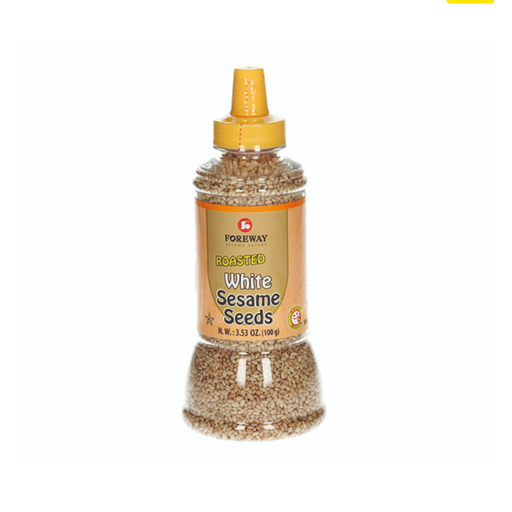
Why this product suits this profile: Roasted sesame can be sprinkled over sushi, rice dishes, salads or hot food without any further preparation. The 100-g pack is a manageable size for initial cooking experiments.
The pack size reduces the risk of having to store an infrequently used ingredient for a long time. The dispensing bottle makes it easier to use sparingly.
100% white sesame according to the product information; roasted and ready to use as a garnish. Allergen: sesame.
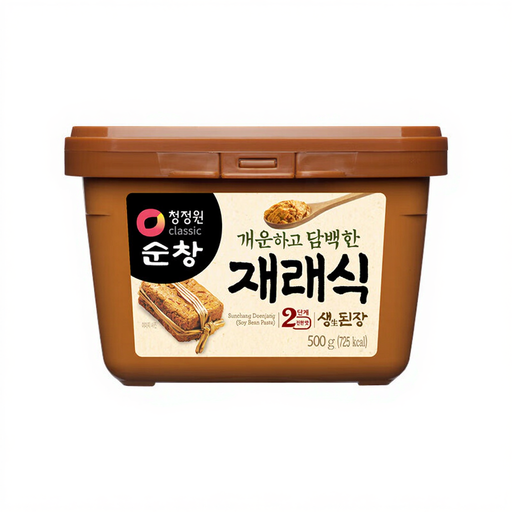
Why this product suits this profile: This fermented Korean soya bean paste is suitable for soups, stews and marinades. It is aimed at shoppers who choose ingredients based on their culinary function and declared contents.
The ingredients and allergen information clearly show that wheat and soya are included. This makes it easier to check whether the paste meets your dietary requirements.
500-g pack; according to the product information, suitable for soups, stews and marinades. Store in a cool, dry place.
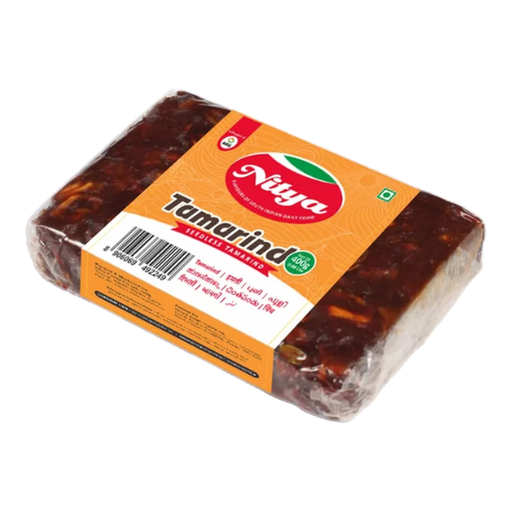
Why this product suits this profile: Pitted tamarind is intended for chutneys, sambar, curries, marinades and street-food sauces. It is ideal for cuisines that regularly use souring ingredients.
There is no need to remove the seeds. This saves a preparation step and makes it easier to produce tamarind water or pulp evenly.
200-g pack; according to the product description, contains no added preservatives. Prepare by soaking in warm water and then straining.
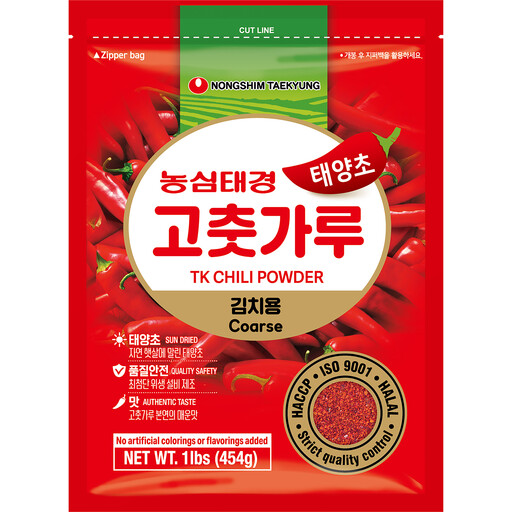
Why this product suits this profile: Coarsely ground gochugaru is intended for kimchi, Korean stews, soups and spicy sauces. The 454-g quantity is suitable for regular use.
The coarse grind is clearly stated, distinguishing this product from fine chilli powder. The country of origin, China, is also specified, preventing incorrect assumptions about where it comes from.
100% red pepper powder according to the product information; no declared allergens. Store in a cool, dry place away from light and keep tightly sealed.
We have put together a complete, regularly updated list of products that fully meet these strict selection criteria and the safety regulations applicable in the EU.
Before paying, check the following:
This also makes it easier to choose Thai ingredients such as galangal or a tom yum soup base, Indian foods such as ghee and cumin, as well as Chinese seasonings according to how you intend to use them.
A few versatile staple ingredients are enough for many dishes: sesame, tamarind, gochugaru, soy sauce, rice, dried mushrooms and a suitable soup base. If you want to cook Korean dishes, you can also add Doenjang Paste to your list. Typical additions for Thai recipes include galangal, lemongrass and a tom yum soup base.
This depends on the type of product, packaging and storage conditions. After opening, dry spices, sesame and dried wood ear mushrooms should be stored airtight, in a dry place and away from light. The best-before date on the packaging is the key reference. For pastes and moist soup bases, the refrigeration and after-opening usage instructions are particularly important.
When comparing prices, take the unit price, pack size and delivery costs into account. Online, you can order several long-life ingredients together. For products used infrequently, a smaller pack is often more economical than a supposedly cheaper bulk supply that cannot be used up in time.