
Lieferung heute & morgen

Qualitätsgarantie

Willkommens-Angebote freischalten: KOSTENLOSE Lieferung | Bis zu 80 % RABATT | Kostenlose 30-Tage-JoyPlus-Testphase
App herunterladen
If you want to buy Asian rice wine, you’ll find a wide selection from Japan, China and Korea online. The names aren’t always straightforward, though: sake, Shaoxing wine, makgeolli and sweet rice wine differ considerably in how they’re made, their alcohol content, flavour and uses.
The following selection from the Joybuy Product Recommendation Officer will help you make sense of marketing claims and choose a product for your needs – whether you’re serving it with sushi, enjoying it at a get-together or using it in Asian cooking.
Cooking sake or Chinese cooking wine isn’t necessarily intended to be enjoyed on its own. Cooking wines often contain salt or other seasonings. HINODE Cooking Sake, for example, lists 2.0 g of salt per 100 ml and soy as an allergen. This makes it suitable for marinades, sauces and soups, but can significantly affect its flavour when drunk on its own.
If you want to buy sake, look for terms such as ‘Junmai’, ‘Junmai Daiginjo’ or ‘Japanese pure rice sake’, and check the ingredients list.
Rice wine can range from around 1.2% to 16% ABV. Makgeolli is often around 5 to 6% ABV, while Japanese sake and aged Shaoxing wine are usually considerably stronger. A 500 ml bottle at 16% ABV therefore contains much more alcohol than a sweet rice wine at 1.2% ABV.
Three details are important when choosing:
In Germany, alcoholic products may only be sold to adults. Always follow the guidance on the relevant product label.
For sake, the rice polishing ratio is a useful point of reference, but it isn’t a guarantee of quality in itself. Dassai 39 uses 39% of the original rice grain; Dassai 45 has a stated polishing ratio of 45%. More highly polished rice can contribute to a lighter, more aromatic style, but it doesn’t automatically tell you which sake you’ll prefer.
A longer ageing period also changes the style of Chinese rice wine, but it’s still important to check the ingredients, alcohol content and intended use.
Japanese sake is typically brewed from rice, rice koji and water. Junmai sake describes a style with no added brewing alcohol. Junmai Daiginjo refers to a particularly highly polished rice within the sake classification. Nigori sake is only partially filtered and contains fine rice particles, giving it a creamier texture.
Makgeolli is made with rice and a Korean fermentation starter. Depending on the product, it may also contain sweeteners, flavourings or carbonation. If you want to buy makgeolli, check whether it’s classic or flavoured.
Chinese rice wine includes popular varieties such as Shaoxing wine. Typical ingredients listed include glutinous rice, wheat and jiuqu (a natural yeast starter). Checking the label is particularly important if you have a wheat allergy.
Many rice wines benefit from being stored in a cool, dark place. Once opened, sake should generally be refrigerated and used promptly to help preserve its aroma and flavour. Sweet fermented rice wines should also be refrigerated after opening and consumed within a few days. Always follow the instructions on the packaging.
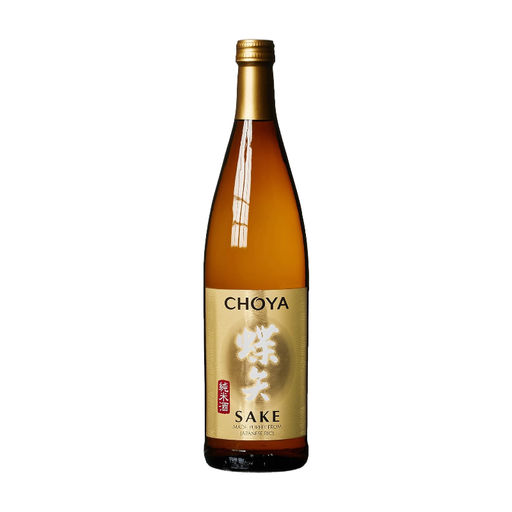
Why it suits this profile: The 750 ml bottle is a good choice for beginners looking for a versatile sake to serve with sushi, tempura or other Japanese dishes.
The 14.5% ABV and ingredients – rice, koji and water – are clearly stated. This makes it easy to distinguish from salted cooking sake.
14.5% ABV, 750 ml, made in Japan and, according to the product details, suitable for serving chilled, at room temperature or warmed.
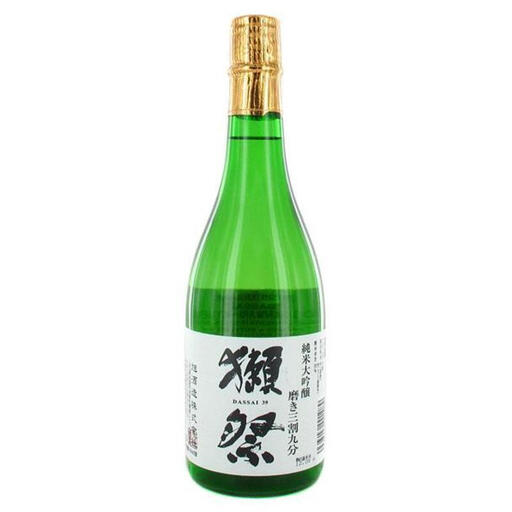
Why it suits this profile: The stated polishing ratio of 39% and its origin in Yamaguchi Prefecture will appeal to buyers who consider technical details when choosing sake.
The choice is backed by clear details, including the rice polishing ratio, 16% ABV, 720 ml and three ingredients: rice, rice koji and water – not just marketing claims.
Junmai Daiginjo classification, a 39% polishing ratio and a recommendation to store it in a cool place to preserve its aromas.
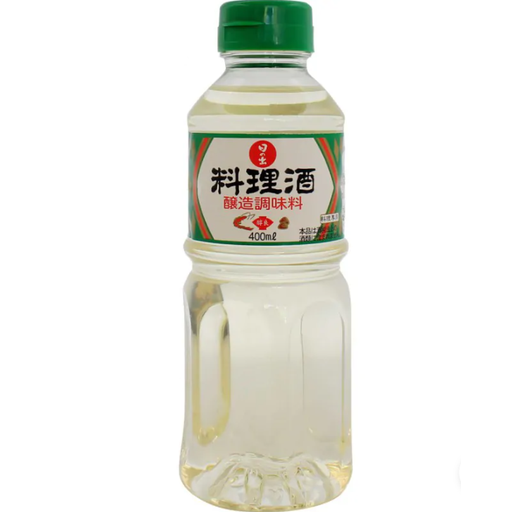
Why it suits this profile: The handy 400 ml bottle is a practical choice for home cooks who regularly make marinades, stir-fries, sauces or soups.
The label clearly lists salt and soy. This makes it easier to use the cooking wine in the right quantity and avoid mistaking it for sake to drink on its own.
13.5% ABV, clearly intended for marinades and sauces, and can be stored at room temperature before opening.
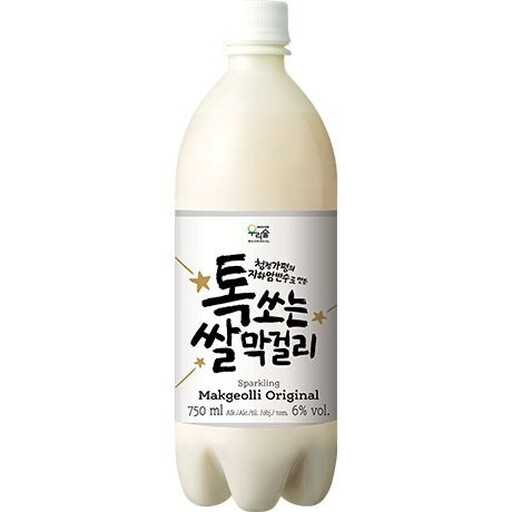
Why it suits this profile: The classic makgeolli style, at 6% ABV and in a 750 ml bottle, is a good match for Korean meals and is best served chilled.
The product details list the alcohol content, Korean origin and ingredients, and recommend shaking the bottle before serving.
6% ABV, 750 ml, a slightly cloudy texture and a chilled serving style that pairs well with Korean cuisine.
We’ve put together a complete, regularly updated list of products that meet these strict selection criteria and fully comply with the safety regulations in force in the EU.
Japanese sake is a popular choice with sushi. A clear Junmai or Junmai Daiginjo can be served chilled or lightly warmed. The best choice depends on your personal taste and the producer’s recommendations. Cooking sake containing salt is less suitable for drinking on its own.
It depends on the type and the storage instructions. Opened sake should be refrigerated and consumed promptly. Makgeolli and sweet fermented glutinous rice wine also generally need to be refrigerated once opened. Always follow the best-before date and specific instructions on the packaging.
Shaoxing wine comes from China and is often available aged, for example as a 5- or 10-year-old variety. Cooking sake is a Japanese cooking wine that may contain salt and other ingredients, depending on the product. Both are suitable for preparing Asian dishes, but their flavours aren’t interchangeable.