
Lieferung heute & morgen

Qualitätsgarantie

Willkommens-Angebote freischalten: KOSTENLOSE Lieferung | Bis zu 80 % RABATT | Kostenlose 30-Tage-JoyPlus-Testphase
App herunterladen
If you want to buy Asian tea online, you will find a wide selection of Japanese, Korean and Chinese specialities. Alongside classic tea from Asia, today’s range also includes instant tea, fruit tea, herbal tea, milk tea and cold-brew tea. However, product names and packaging do not always make it clear how a tea should actually be prepared or which ingredients it contains.
Three common purchasing pitfalls occur particularly often:
When choosing Japanese tea, Korean tea or Chinese tea, you should check the ingredients list first. Classic green tea, black tea or oolong tea often consists mainly of tea leaves. Instant tea, milk tea, matcha latte and chai latte contain additional ingredients.
Examples from the selection:
Milk, soya, wheat, nuts and peach may be relevant for some people. With milk tea and latte products, you should also look out for sweeteners such as aspartame. The binding ingredients and allergen information on the packaging is decisive.
The right preparation method affects flavour, effort and consumption. Not every tea is equally suitable for hot or cold water.
So, if you are looking for iced tea, cold-brew tea or a quick serving for when you are out and about, do not just focus on the flavour. Pay attention to the specific preparation instructions too.
Fruit tea and herbal tea are often prepared without sugar, while milk tea, chai latte and many instant blends may contain sugar or sweeteners. For example, Nokchawon Plum Tea contains 45 g of sugar per 100 g. Nittoh Royal Milk Tea has an energy value of 421 kcal per 100 g of powder.
The pack format should also suit your consumption habits:
For loose blends such as Bünting Tee Winter Tea Orange-Vanilla Organic, you should also check the recommended quantity per cup, infusion time and airtight storage requirements.
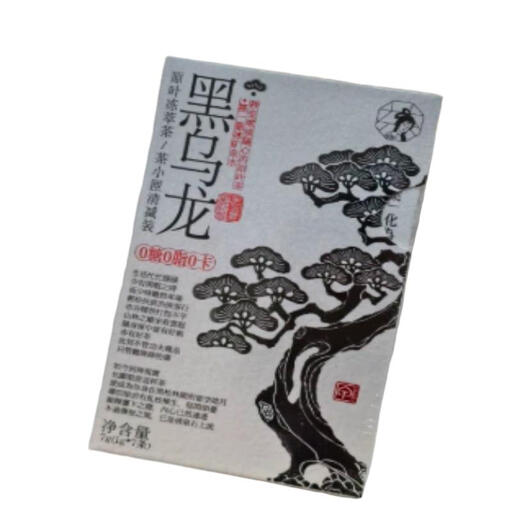
Why this product suits this profile: The seven individual sticks make portion control easy and are suitable for cold or room-temperature drinks without a teapot.
The dosage instruction of 1 g per 250 ml makes the actual consumption easy to understand. The ingredients and net quantity are listed separately.
Oolong powder in individual portions; 7 g total quantity; stated as 0 kcal per 100 g.
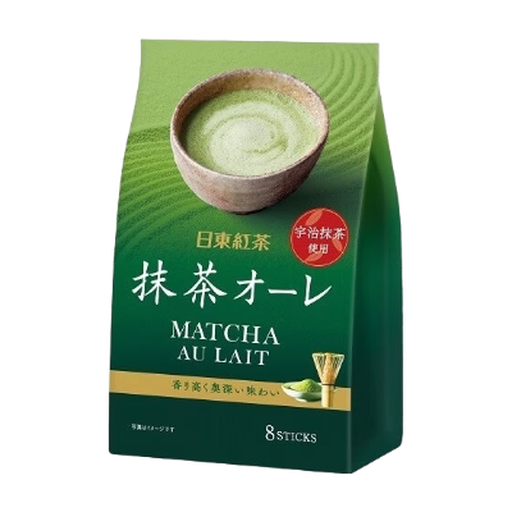
Why this product suits this profile: The blend combines matcha with milk ingredients and is designed for quickly preparing a latte with hot water or enjoying as a cold drink.
The matcha content is stated as at least 2%. Milk is clearly listed as an allergen and should be taken into account before buying.
8 sticks with a total weight of 96 g; matcha content and nutritional values per 100 g are stated.
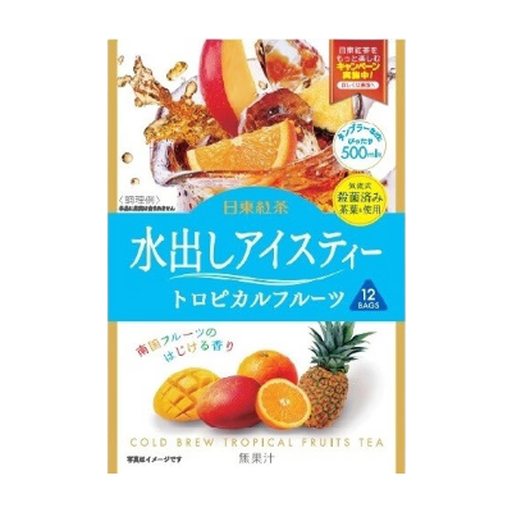
Why this product suits this profile: The 12 tea bags are specially designed for preparing iced tea in the fridge and are suitable for regular consumption.
The product type explicitly states cold brew. This makes the preparation method clearer than with blends whose instructions are only described in general terms.
12 tea bags; prepare in the fridge or with cold water; stated as 1 kcal per 100 ml.
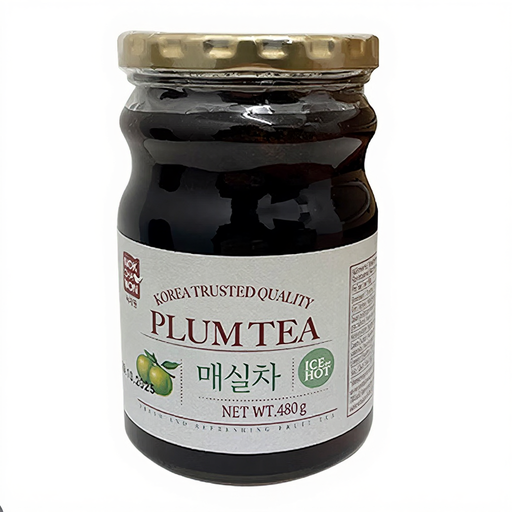
Why this product suits this profile: The Korean plum tea concentrate can be used hot or cold and is also suitable for desserts or dressings.
The ingredients list and fruit extract content show that this is a sweetened concentrate rather than an unsweetened tea infusion.
480 g jar; 2 to 3 tablespoons are recommended for 150 ml of water; refrigerate after opening.
We have put together a complete, regularly updated list of products that fully meet these strict selection criteria and the safety regulations applicable in the EU.
For iced tea and cold brew, products with an explicit recommendation for cold water are practical. These include Nittoh Cold Brew Tropical Fruits Tea Bag and Sempio Fruit & Herb Cold Brew Tea. Alternatively, fruit tea or plum tea can be brewed with hot water, cooled and then served with ice.
The specific best-before date is printed on the packaging. After opening, powders and sticks should be stored in a dry, cool place and kept as airtight as possible. For concentrates such as Nokchawon Plum Tea, remember to refrigerate them after opening.
No. Milk tea and matcha latte may contain milk ingredients, soya or other ingredients. Products containing aspartame must also carry a statement that they are a source of phenylalanine. Before buying, compare the ingredients list, allergen information and nutritional values with your personal requirements.