
Lieferung heute & morgen

Qualitätsgarantie

Willkommens-Angebote freischalten: KOSTENLOSE Lieferung | Bis zu 80 % RABATT | Kostenlose 30-Tage-JoyPlus-Testphase
App herunterladen
Anyone looking to buy creatine powder will find a wide range of products with different serving sizes, flavours and formats. However, the most important differences are not always clearly displayed on the front of the pack. For example, a larger pack does not automatically mean more creatine per serving. Terms such as “micronised”, “vegan” or “premium” should also be assessed by checking the ingredients list and the exact dosage.
This guide is aimed at adults involved in weight training, CrossFit, MMA, boxing, bodybuilding and other sports involving short, repeated, high-intensity exertion.
A 300 g pouch may initially appear cheaper than a smaller product. However, what really matters is the amount of creatine per serving and the resulting number of servings. Flavoured products may also contain acidity regulators, sweeteners or flavourings in addition to creatine. This means the total weight can be higher without containing more active creatine.
Micronised creatine is described as having particularly fine particles that can mix more easily. This can be useful when stirring it into water. Nevertheless, the label should still clearly state whether the product contains creatine monohydrate and how much is included per serving. A fine powder texture alone says nothing about the number of servings or the price per daily serving.
Flavoured creatine can make daily use easier, but it often contains sweeteners, acidity regulators and colourings. A product containing caffeine may be appealing to some users before training, but it is less flexible in the evening or on rest days. If you are looking for a neutral creatine supplement, pure, unflavoured powder is usually the better choice.
The chemical form is the first thing to consider when choosing a product. Creatine monohydrate is the main form of creatine found in the products featured here. In the EU, products providing a daily intake of 3 g of creatine may state that creatine increases physical performance in successive bursts of short-term, high-intensity exercise. This authorised claim relates to a daily intake of 3 g of creatine and should not be confused with medical treatment.
Look out for the following information:
Creatine powder can be mixed with water, juice, protein shakes or recovery drinks. This is particularly convenient if you already organise your daily fluid intake around your training sessions. However, a measuring scoop is not always exact; if you are unsure, kitchen scales can help you measure more consistent servings.
Creatine tablets, on the other hand, provide a pre-portioned format. According to the product information, three tablets of the WeightWorld product provide 3,000 mg of creatine monohydrate. However, several tablets need to be swallowed, and taking them with sufficient fluid remains important.
Unflavoured creatine is suitable for users who want to mix the powder into existing drinks or shakes. Flavoured creatine, such as orange or Fruit Punch, can be an alternative if it is regularly mixed with water. When comparing products, check the serving size: for the flavoured Optimum Nutrition products, one serving consists of 4.5 g of powder and provides 3 g of creatine.
The term Creapure creatine refers to a branded raw material. It does not replace the need to check the current ingredients list, dosage and manufacturer information. Even with vegan creatine, you should check whether the product uses only a plant-based capsule shell or is supplied entirely in powder form.
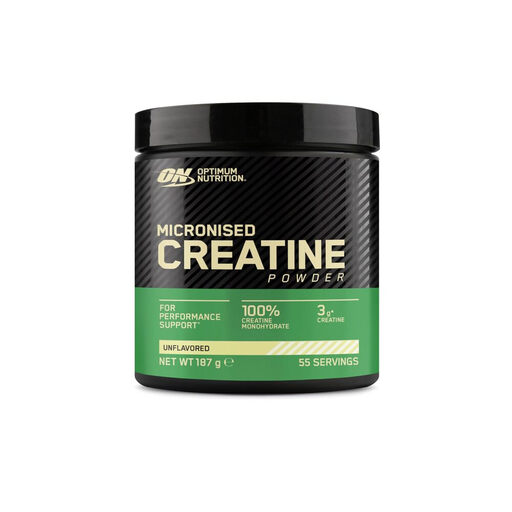
Why this product suits this profile: According to the product information, the unflavoured powder contains 3 g of creatine per serving and provides around 55 servings for a straightforward introduction.
The amount of creatine per serving and the approximate number of servings are clearly stated. The ingredients list contains only creatine monohydrate.
Micronised powder, unflavoured and easy to mix with water or other drinks.
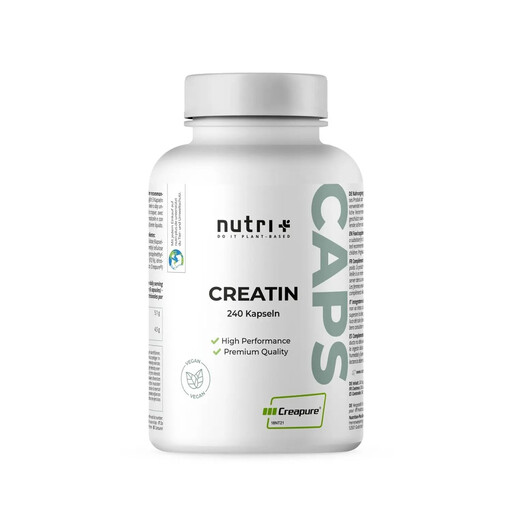
Why this product suits this profile: The product information specifies Creapure creatine monohydrate and a vegan formulation. This will appeal to users who specifically consider the raw material designation and dietary requirements.
The ingredients information refers to creatine monohydrate and a capsule shell made from hydroxypropyl methylcellulose. Before buying, check the product format on the current packaging.
Branded raw material Creapure according to the product information; described as free from sweeteners, colourings, flavourings and preservatives.
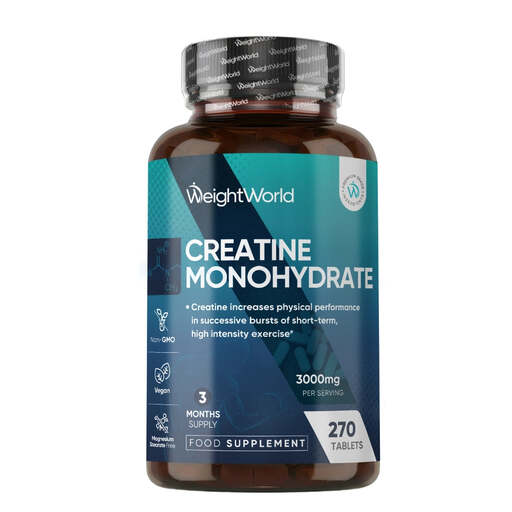
Why this product suits this profile: According to the product information, three tablets per day provide 3,000 mg of creatine monohydrate. This is a practical option if you do not want to mix powder while out and about.
The daily amount can be easily established from the number of tablets. The pack contains 270 tablets, equivalent to around 90 daily servings at the recommended intake.
Pre-portioned tablets, unflavoured and ready to take without preparing a powder drink.
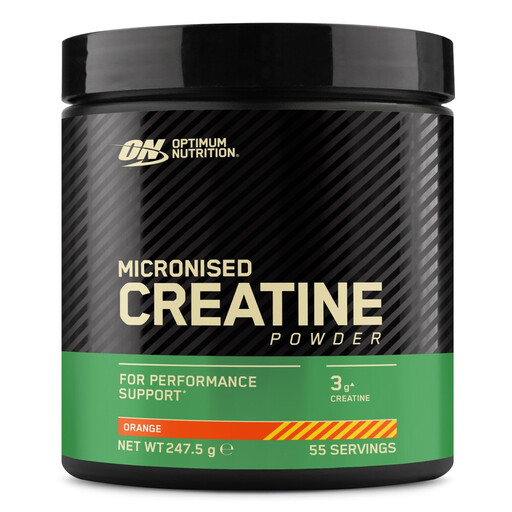
Why this product suits this profile: According to the product information, the flavoured version provides 3 g of creatine per 4.5 g serving and is mixed with 250 ml of cold water.
The active amount of creatine is stated separately from the total serving weight. This makes it easier to compare the product with unflavoured powder.
Orange flavour, sugar-free according to the product description, and supplied in micronised powder form.
We have put together a complete, regularly updated list of products that fully meet these strict selection criteria and the safety regulations applicable in the EU.
The products in this selection each recommend one daily serving. For the powder versions, mix the creatine with cold water or another drink. The time of day can be based on your personal routine; on rest days, taking it at a consistent time can be helpful. A so-called loading phase is not required for the products featured here.
Store the container in a dry, cool place away from direct sunlight and close it securely after every use. Food supplements should not be used as a substitute for a varied and balanced diet. Do not exceed the recommended daily amount. These products are intended for adults. If you are pregnant, breastfeeding, have an existing kidney condition, take medication or have any other health concerns, seek medical advice before taking them.
This depends on the serving size and pack weight. The Optimum Nutrition products mentioned above, with around 55 servings, last approximately 55 days when taken daily. A 300 g pack containing 60 servings is designed to last around two months when taking 5 g per day. The serving stated on the packaging is always the key factor, not just the net weight.
Powder offers greater flexibility when mixing it with water or shakes and is often easier to fit around your personal routine. Tablets are pre-portioned and convenient when you are out and about, but they require several units per daily serving. The right format therefore depends on transport, flavour preferences and your usual habits.
The authorised claim regarding physical performance relates to a daily intake of 3 g of creatine. If you use a creatine supplement, follow the specific consumption instructions for the product and do not take higher amounts on your own initiative.