
Lieferung heute & morgen

Qualitätsgarantie

Willkommens-Angebote freischalten: KOSTENLOSE Lieferung | Bis zu 80 % RABATT | Kostenlose 30-Tage-JoyPlus-Testphase
App herunterladen
As the days get shorter and the nights colder, the desire for a warm and cosy oasis within your own four walls grows. A high-quality winter blanket is a key element for comfort. However, the market can be overwhelming, and many products don't live up to their promises. Before you make a decision, it's helpful to know the most common pitfalls that can lead to an unsatisfying purchase.
The 2 most common pitfalls when buying a blanket:
This guide will help you avoid these problems and find a blanket that meets your needs for warmth, comfort, and durability.
To make an informed choice, you should consider three core parameters. These will largely determine the function and comfort of your future warm blanket.
The material is the most important factor for thermal performance and sleep experience. The two most common categories are natural fillings and synthetic fibres.
The wrong size can significantly reduce comfort. A duvet that's too small leads to cold spots, while a sofa blanket that's too large can be unwieldy.
Good workmanship ensures longevity. For a down duvet, the stitching is crucial. A baffle-box construction with internal baffles prevents the filling from shifting and creating cold spots. With a fleece blanket, you should look for neatly stitched and hemmed edges that prevent fraying.
Here are some recommendations tailored to different user profiles that take the quality features mentioned above into account.
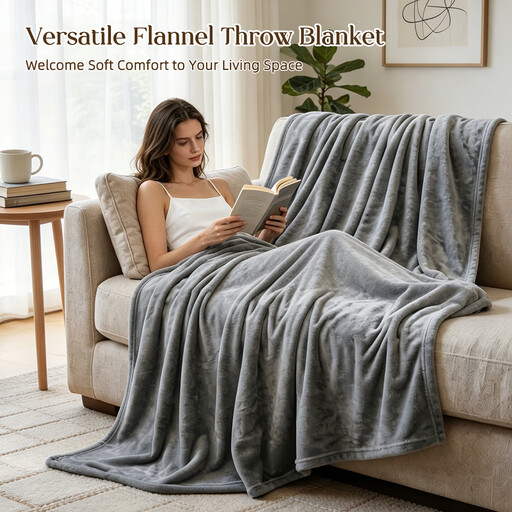
Why it's a great fit: Ideal as a versatile throw blanket for the sofa or as an extra layer of warmth on the bed. The flannel fleece material provides instant, soft warmth and is easy to handle.
The dense flannel fleece is resistant to pilling and retains its structure even after washing. This avoids the "short-lifespan trap".
Low-maintenance and versatile, machine-washable and quick-drying.
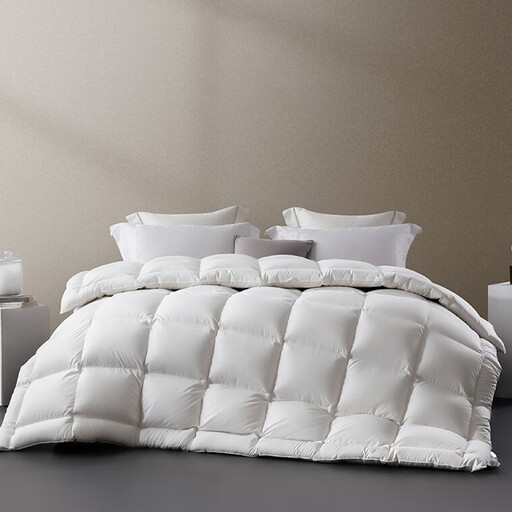
Why it's a great fit: A classic duvet for winter in the standard size. The feather and down filling ensures natural heat regulation and a pleasant sleeping climate.
The natural filling is breathable and wicks away moisture. This counteracts the "warmth illusion" and prevents night sweats.
High breathability and natural thermal insulation for a balanced sleeping environment.
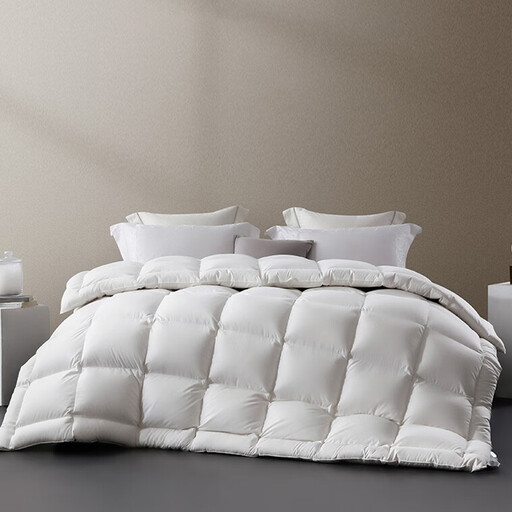
Why it's a great fit: The 155 x 220 cm comfort size is ideal for wider single beds (120-140 cm) or for individuals who like generous coverage. It offers more freedom of movement and cosy warmth.
The thoughtful baffle-box construction ensures the down and feather filling remains evenly distributed and doesn't shift, guaranteeing consistent thermal performance for years.
Comfort size for more freedom of movement and even heat distribution without cold spots.
We have compiled a complete, up-to-date list of products that fully meet these strict selection criteria and German regulations.
A down duvet should be regularly (ideally daily) shaken out and aired well. Washing is only necessary when needed. Use a special down-specific detergent and a gentle cycle at a low temperature. Tumble drying is crucial: add a few dryer balls to fluff up the filling and ensure it dries completely.
Synthetic fibres like polyester fleece are often considered a safe choice for allergy sufferers, as they contain no organic components and can be washed at higher temperatures to kill dust mites. However, there are also specially treated, high-quality down duvets (identifiable by seals like NOMITE) that can be suitable for those with dust mite allergies, as their dense fabric makes it difficult for mites to penetrate.
As a rule of thumb, the duvet should be at least 20-25 cm wider than the mattress on each side.